Burnham pledges to ‘bring back hope’ as he makes Healey chancellor

Burnham’s Leadership Pledge to Bring Back Hope
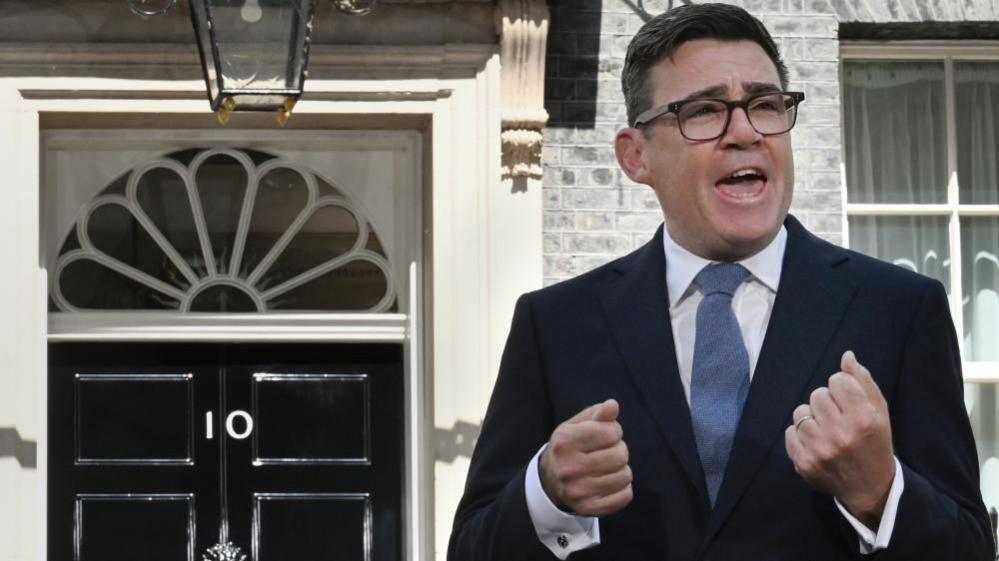
Ninoda.com – Prime Minister Andy Burnham has vowed to bring back hope for the United Kingdom, marking a significant shift in the nation’s political landscape with the appointment of John Healey as chancellor. In his first major address since taking office, Burnham emphasized the urgency of implementing sweeping reforms to address economic and social challenges that have plagued the country for years. This leadership change aims to reignite public confidence and steer the government toward a more inclusive and forward-thinking approach, with Burnham’s vision centered on tackling inequality and fostering long-term growth. The decision to appoint Healey, a seasoned Labour politician, signals a strategic move to strengthen the coalition and ensure fiscal stability amid ongoing economic pressures.
Burnham’s pledge to bring back hope is not just a symbolic gesture but a call to action for immediate and tangible improvements in citizens’ lives. His initial priorities include addressing the cost-of-living crisis, a pressing concern that has driven public frustration and voter dissatisfaction. The prime minister has outlined plans to announce specific policies this week, focusing on measures that can provide relief to households struggling with rising expenses. These efforts are part of a broader 10-year strategy, which he intends to unveil later this year, designed to redefine Britain’s economic direction and create a more resilient society. Burnham’s rhetoric underscores his commitment to reversing the effects of austerity and ensuring that economic progress benefits all segments of the population.
Rebuilding the Cabinet for National Renewal
Burnham has taken decisive steps to reshape the cabinet, reflecting his desire to build a government that prioritizes unity and fresh perspectives. By removing David Lammy and Steve Reed from their previous roles, he has signaled a departure from the previous administration’s policies and appointed new figures to key positions. Wes Streeting, who previously served as health secretary, is now taking on the role of defense secretary, while Shabana Mahmood continues as home secretary. These changes are intended to create a more cohesive team, with each minister playing a critical role in advancing Burnham’s vision for national renewal.
Ed Miliband’s transition from energy secretary to foreign secretary has also drawn attention, as he joins a cabinet that includes the pledge to bring back hope as a central theme. Miliband described the foreign secretary role as “the honour of my lifetime,” highlighting its significance in shaping the UK’s global standing. Meanwhile, Louise Haigh has been appointed first secretary of state, a position that will serve as Burnham’s key liaison across the government. This reorganization aims to streamline decision-making and ensure that policies align with the prime minister’s long-term goals. The cabinet’s composition reflects a balance between experienced leaders and new voices, all working to support Burnham’s agenda.
Policy Priorities and the Path Forward
“We will help people to live well, building a more preventative state, investing in people’s success rather than paying for failure,” Burnham declared.
Burnham’s pledge to bring back hope is underpinned by a focus on tackling rough sleeping and addressing the housing crisis. He has reiterated his commitment to this cause, having previously made similar promises during his tenure as mayor of Greater Manchester. However, the challenges of implementing these policies on a national scale remain considerable, particularly given the current economic climate. The chancellor, John Healey, has been tasked with securing additional funding for defense and social programs, a responsibility he acknowledges will require navigating the fiscal constraints inherited from the previous government.
“We will work in lockstep to meet the fiscal rules with a buffer against uncertainty,” Healey told broadcasters.
Burnham has also emphasized the importance of balancing economic growth with social welfare, a challenge that will define his tenure. While he has ruled out reinstating the 50p top tax rate as a short-term solution, he is considering adjustments to the tax-free personal allowance in the upcoming autumn budget. This approach reflects a cautious but determined strategy to stabilize the economy while improving living standards. The standard personal allowance currently stands at £12,570, and Burnham has pledged to explore ways to make it more accessible to working families.
Public Response and Political Challenges
Despite Burnham’s pledge to bring back hope, some political observers have questioned the immediacy of his plans. Conservative leader Kemi Badenoch, among others, has criticized the prime minister for appearing to focus on reversing Thatcher-era policies rather than addressing contemporary issues. However, Burnham’s supporters argue that his vision represents a necessary evolution, moving away from neoliberal economic models toward a more equitable system. This debate highlights the challenges he faces in uniting a diverse coalition and persuading the public that his promises will translate into real progress.
Burnham’s leadership is also being tested by the need to navigate the complexities of the new government. Less than a month after re-entering Parliament as Makerfield’s MP, he has already met with King Charles III to discuss his responsibilities as prime minister. This high-level engagement suggests a focus on strategic planning and ensuring that his reforms have the necessary political and institutional support. The prime minister’s ability to maintain momentum in the face of these challenges will be crucial in fulfilling his pledge to bring back hope and delivering on his campaign promises.
Long-Term Vision and the Road Ahead
Burnham’s pledge to bring back hope extends beyond immediate economic measures, encompassing a long-term vision for Britain’s future. He has outlined the need for a transformative agenda that addresses systemic issues such as healthcare access, education reform, and environmental sustainability. The government’s 10-year strategy, which he plans to unveil this year, will serve as a blueprint for these changes, with the aim of creating a more prosperous and inclusive society. Burnham has also pledged to overhaul the social care system, which he described as “not defensible” over the past three decades, signaling a commitment to improving support for vulnerable populations.
As the new government takes shape, the focus remains on delivering on Burnham’s promises and ensuring that the public perceives tangible progress. His pledge to bring back hope is a powerful message, but its success will depend on the implementation of concrete policies and the ability to manage public expectations. The coming months will be critical in determining whether his vision for a renewed Britain can be realized, with the chancellor and other ministers playing a key role in shaping the nation’s economic and social trajectory. Burnham’s leadership will be judged not just by his rhetoric but by the actions he takes to bring about lasting change.