Burnham has big ideas – but what will they cost?

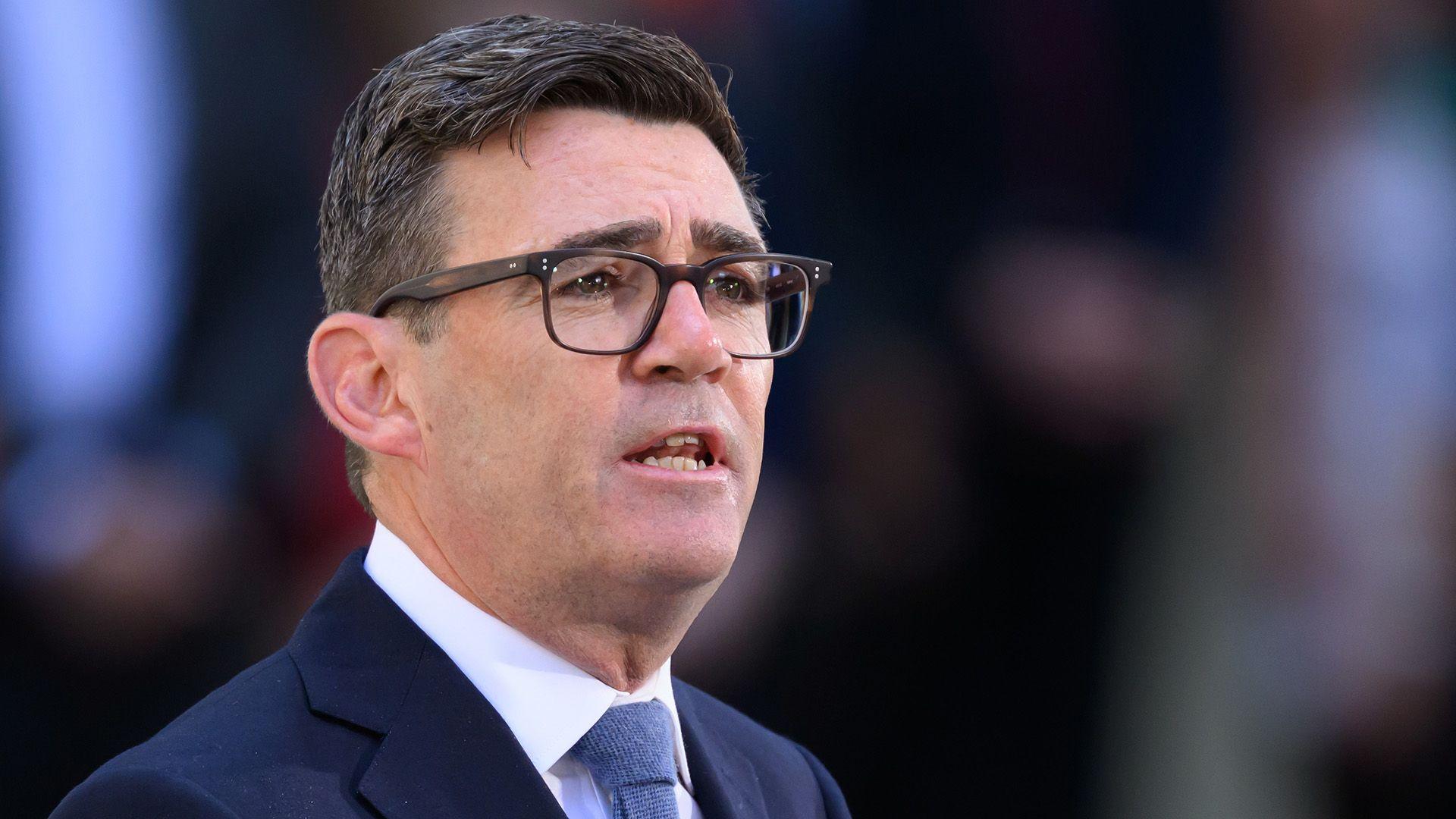
Burnham has big ideas – but what will they cost?
Ninoda.com – Since taking office, Andy Burnham has outlined sweeping policy shifts with a general tone, but the realities of governing now demand more precise choices. His first major test comes as he seeks to fund critical support measures, potentially through tax hikes or budget reductions. This approach will swiftly reveal his priorities when faced with difficult decisions.
Market Reactions to Financial Flexibility
On Monday, the UK government’s borrowing costs climbed above 5%—a modest but notable increase. This shift contrasts with trends in other European nations, where such levels have not been observed recently. The change appears linked to Burnham’s discussion of “flexibility” in borrowing rules, which could allow targeted exemptions for financial institutions.
The “flexibility” Burnham referenced pertains to how financial institutions are treated under debt measures, enabling certain types of borrowing to bypass strict fiscal guidelines.
Such adjustments may expand to sectors like housing and infrastructure, offering a pathway to balance fiscal discipline with economic stimulus. However, the scope remains limited to specific policies rather than broad spending increases.
Healey’s Role in Economic Priorities
John Healey’s appointment as chancellor has sparked debate. While he was recently ousted from the defense role over funding disputes, his tenure in Gordon Brown’s treasury suggests familiarity with fiscal strategies aimed at regional development. His recent comments to broadcasters emphasized alignment with Burnham’s vision, including maintaining stability and addressing the cost-of-living crisis.
Healey’s past advocacy for defense spending, which sometimes required diverting funds from transport and energy projects, raises questions about how he will reconcile these priorities as chancellor. The challenge lies in ensuring both national security and domestic investment remain in sync.
Cost-of-Living Policy and Threshold Adjustments
Burnham’s team has proposed unfreezing the income tax threshold, a move supported by some major unions. If implemented, this could cost £4bn or more, depending on inflation rates. The plan would adjust thresholds from £12,570 to £13,000 and from £50,271 to £52,000, potentially lifting millions of workers out of higher tax brackets.
The freeze, initially set by Rishi Sunak to manage post-pandemic debt, has been extended by Rachel Reeves until 2030-31. This has pushed one in six workers into the 40p tax bracket. Burnham’s emphasis on this issue at the Makerfield constituency highlights its political significance.
As the new administration navigates these complex choices, the nation and markets will closely monitor how fiscal rules are applied. Burnham’s ‘Manchesterism’—a blend of regional focus and pragmatic policy-making—may offer a fresh approach, but its success hinges on balancing ambition with affordability.