Who’s in Andy Burnham’s cabinet?

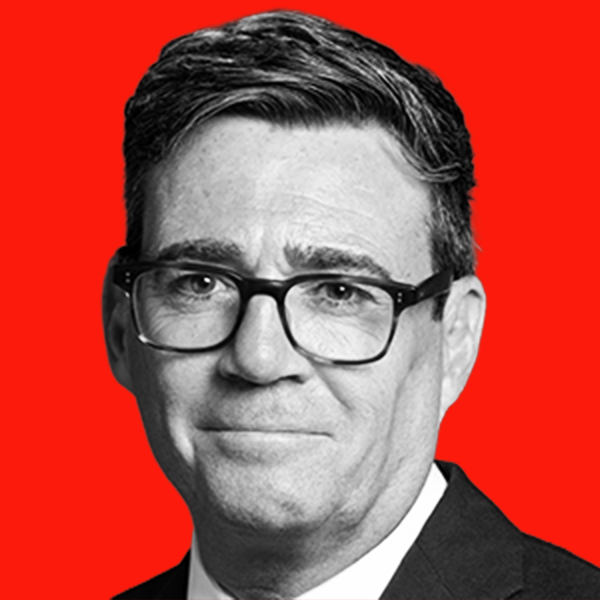
Who’s in Andy Burnham’s Cabinet? A Comprehensive Overview
Ninoda.com – Who’s in Andy Burnham’s cabinet? As the Labour Party continues to shape its leadership structure under the new administration, the composition of Andy Burnham’s cabinet has become a focal point for political analysts and the public. This updated guide delves into the key figures appointed to the team, their responsibilities, and how their backgrounds align with Burnham’s vision for governance. The cabinet, a critical component of the government, is expected to drive policy execution and reflect the party’s priorities in the upcoming legislative term.
About Andy Burnham: Leadership and Vision
Andy Burnham, born in Aintree in 1970, has emerged as a prominent figure in British politics through his dynamic leadership and policy focus. His political journey began with a deep engagement in grassroots activism, inspired by the miners’ strike during his teenage years. After a successful tenure as Greater Manchester mayor, Burnham returned to his Makerfield constituency in June 2025, signaling his commitment to local governance. His leadership style emphasizes decentralization, community-driven initiatives, and progressive social reforms, which are central to his cabinet’s formation.
Cabinet Structure and Key Roles
The cabinet under Andy Burnham’s leadership is designed to address pressing national and regional challenges. Each minister is assigned a role that complements Burnham’s strategic priorities, including economic stability, social equity, and local empowerment. The team includes both seasoned politicians and emerging voices, ensuring a balance of experience and fresh perspectives. This structure aims to streamline decision-making while fostering collaboration across different policy areas.
John Healey: Chancellor of the Exchequer
John Healey, representing Rawmarsh and Conisbrough in South Yorkshire, has been reappointed as chancellor of the exchequer. His role involves managing the nation’s finances and implementing economic policies that support Burnham’s agenda. Healey’s recent criticism of the government’s spending plans highlights his dedication to fiscal responsibility, a theme that resonates with his appointment. As a key figure in the cabinet, he is expected to play a pivotal role in addressing the UK’s financial challenges and ensuring economic growth.
“Sir Keir Starmer had been unable and the Treasury was unwilling to commit the resources the nation needs to defend the country.”
Healey’s tenure as defence secretary had sparked debates about the balance between military spending and domestic priorities. His reappointment suggests a continued emphasis on pragmatic fiscal management, with the chancellor tasked to align budget allocations with Labour’s long-term goals. This role is critical for shaping the nation’s economic trajectory during a period of transition.
Louise Haigh: Chancellor of the Duchy of Lancaster
Louise Haigh, a long-time ally of Andy Burnham, has been appointed chancellor of the Duchy of Lancaster and first secretary of state. This position places her at the heart of coordinating the cabinet’s operations and supporting the prime minister’s vision. Haigh’s career has been marked by her relentless work ethic, which was acknowledged by former Speaker John Bercow in 2016. Her experience in transport policy, despite a brief hiatus due to a fraud offense, underscores her adaptability and commitment to public service.
Ed Miliband: Foreign Secretary
Ed Miliband, the MP for Doncaster North since 2005, has taken on the role of foreign secretary. His appointment follows a decade of service in energy and net zero policy, during which he became a central figure in Labour’s climate agenda. While his potential as chancellor was debated, his expertise in international relations and economic strategy positions him to lead the UK’s foreign policy with a focus on global partnerships and strategic trade. Miliband’s leadership in the 2010 Labour leadership contest further highlights his experience in shaping party direction.
“Burnham’s cabinet reflects a blend of seasoned leaders and new voices, each bringing unique strengths to the table.”
Other Cabinet Members and Their Contributions
In addition to the highlighted ministers, Burnham’s cabinet includes other key figures with diverse expertise. These appointments aim to strengthen Labour’s capacity to tackle regional issues while maintaining national cohesion. For instance, the inclusion of Shabana Mahmood as home secretary continues the party’s focus on immigration control and domestic security. Her leadership in this role is expected to reinforce Labour’s commitment to maintaining law and order across England and Wales.
Furthermore, the cabinet includes specialists in education, health, and transport, ensuring that critical sectors receive focused attention. These ministers will work closely with Burnham to implement policies that address both immediate concerns and long-term challenges. The diversity of backgrounds within the cabinet is a deliberate choice to foster innovation and inclusivity in governance, aligning with the party’s broader objectives.
“The formation of Andy Burnham’s cabinet marks a new chapter in Labour’s political strategy, emphasizing collaboration and practical governance.”