Inside Myanmar, rebels are losing ground as military forces men into army

Inside Myanmar: Rebels Grapple with Military’s Conscription Push
A New Wave of Enlistees
Ninoda.com – Myanmar’s civil war has taken a significant turn as the military continues to expand its reach. In recent months, rebels have faced increasing pressure, with the junta reclaiming key territories and pushing forward in multiple fronts. This shift underscores the effectiveness of the military’s conscription policy, which began in 2024. While the policy has been a source of hardship for many, it has also provided the armed forces with a steady influx of manpower, altering the balance of power on the battlefield.
Unwilling Recruits
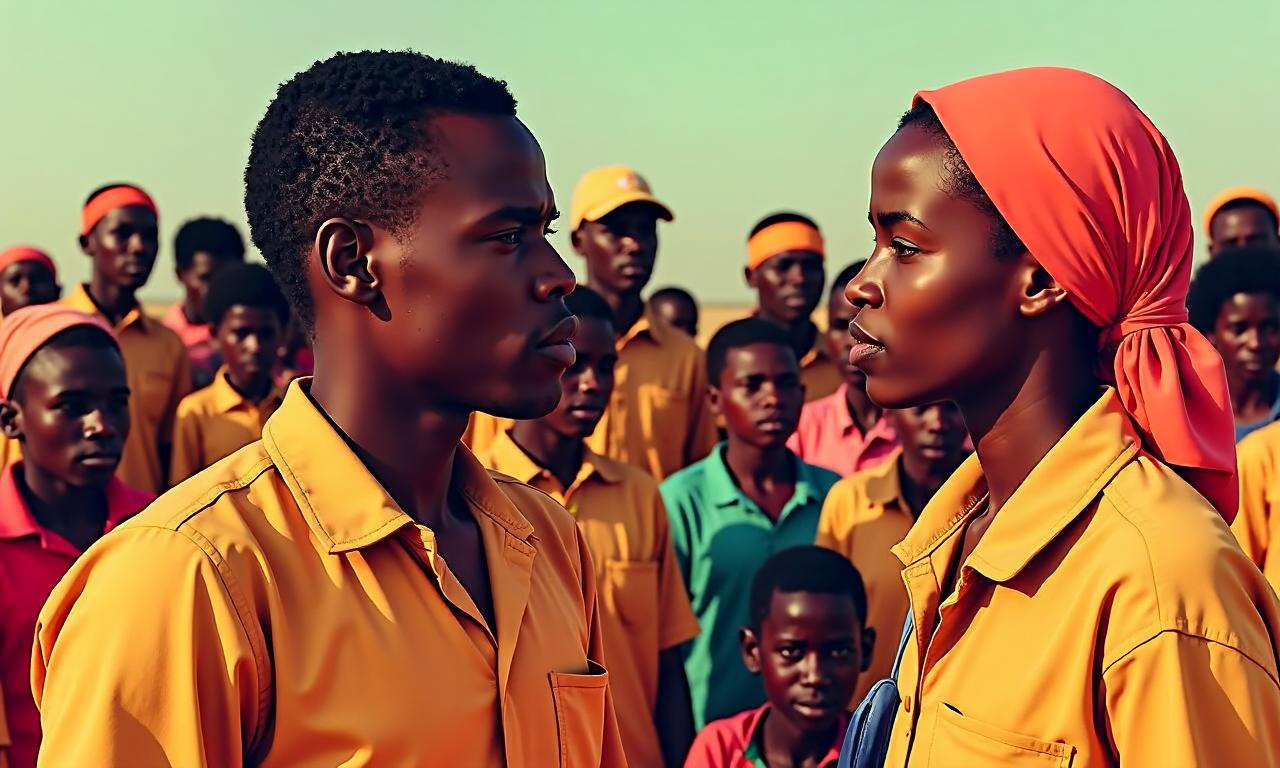
Four young men now serving in the military were not eager to join the fight. Each had a different reason for being drafted. One was a chef returning home after work when he was detained. Another had been on a late-night outing, while a third was working for the forestry department. The fourth man claims he was framed with drugs in his shoe and forced to enlist. “We were thrust into battle without understanding what was happening,” one of them tells the BBC. “They made us do things we never wanted to do.”
“We never got any real rest, not in the morning, not during the day, and not even at night,” another adds. “The conscripts had to do everything. While the regular soldiers hardly had to work.”
After four months of basic training, the men attempted to escape, only to be captured by nearby People’s Defence Force (PDF) fighters. They now describe their time with the rebels as more humane, where they were treated “like brothers, not strangers.” Despite this, they know their fate is uncertain. “If we return now, the military could still track us,” one says. Their identities are hidden to protect their families from retribution.
A Changing Battlefield
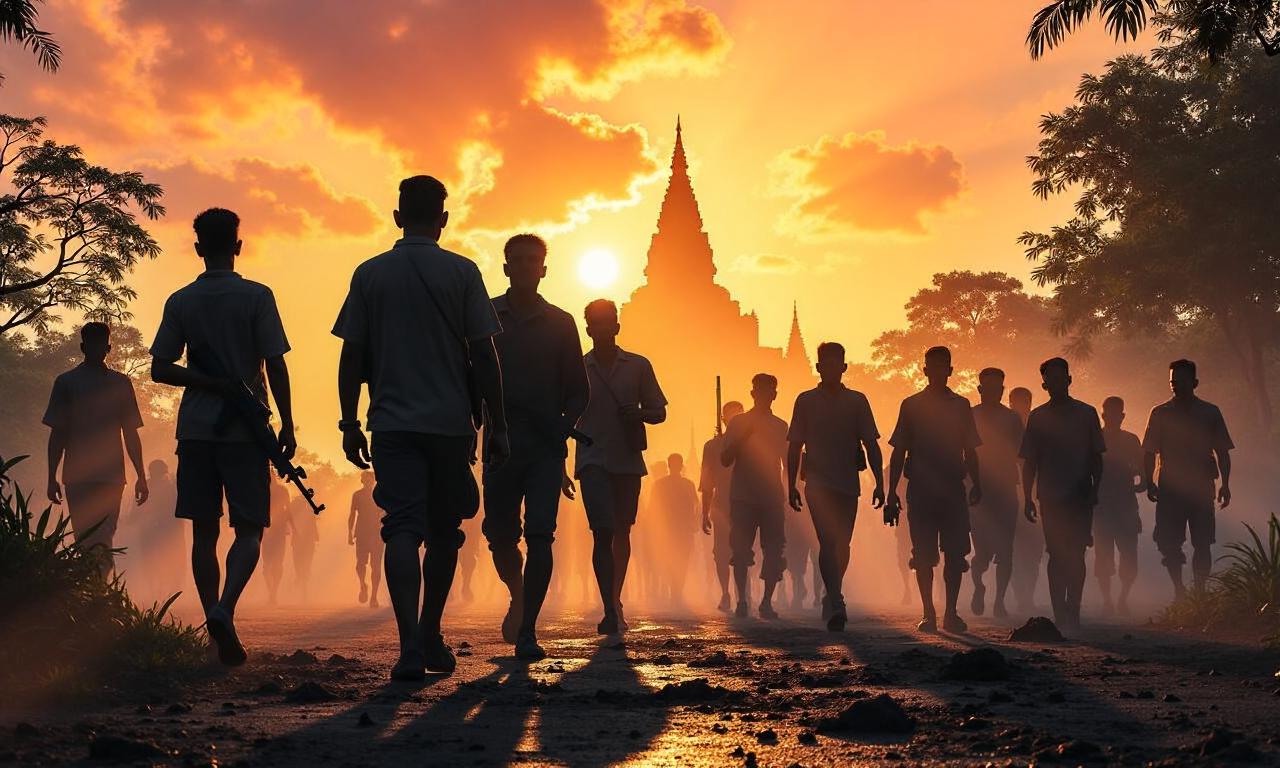
The military’s ability to rapidly replenish its ranks has transformed the war’s dynamics. Previously, rebels had the upper hand, securing major victories in 2023. But now, the junta is on the offensive, reclaiming critical infrastructure and strategic locations. In Karen state, for instance, they have retaken a vital road connecting Mandalay to Myitkyina. Thousands of soldiers are advancing toward border regions, including Kachin and Chin states, as the conflict intensifies.
Despite these gains, the military still controls less than half of the country. However, its ability to sustain operations has improved. “Forced conscription became the main challenge for us on the battlefield,” explains Ko Kaung, a PDF battalion commander. “Even with better technology, we lack resources and recruits. The military can source components and replenish forces at will.”
Ko Kaung and his fighters once seized control of Hpapun, a town in Karen state, and a large military base. The area is marked by the remnants of conflict—bombarded buildings, damaged schools, and abandoned homes. Yet now, he anticipates a tougher fight. Junta drones patrol the skies, and up to 2,000 troops are moving toward the town.
Rebel Perspectives
PDF commander Da Wa, a former political activist, acknowledges the challenge posed by the conscripts. “Many of the military’s forces aren’t voluntary recruits, but they’re improving as fighters,” he says. “They’re getting better at following orders.” During a patrol through dense jungle, the group seeks cover whenever a drone is spotted overhead, highlighting the constant threat they now face.
The BBC’s reporting on the war has relied on unauthorized access to rebel-held areas. Over the course of a 10-day visit, journalists accompanied fighters, visited hospitals, and observed frontline operations in Bago and Karen states. The presence of these conscripts, who must serve a minimum of two years, has clearly shifted the tide in favor of the military.