Baby ‘cot cams’ plan after inquiry finds Lucy Letby crimes could have been prevented

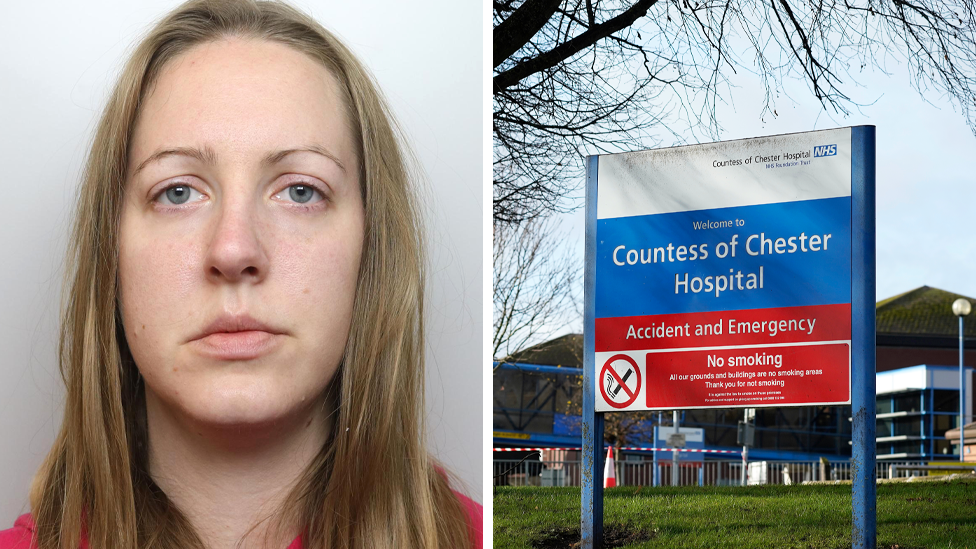
Table of Contents
Plans for “cot cams” move forward after inquiry exposes neonatal safeguarding failures
Ninoda.com – Live-streaming cameras could be introduced on baby wards across England after a major inquiry concluded that some of Lucy Letby’s victims might have survived if concerns at the Countess of Chester Hospital had been acted on sooner.
Health Secretary Yvette Cooper said officials would urgently develop proposals for the use of cameras around neonatal cots and incubators. The measure was among a package of reforms urged by Lady Justice Thirlwall following her inquiry into the murders of seven babies and attempted murders of seven more by former nurse Lucy Letby.
Letby was convicted of murdering seven infants and attempting to murder another seven while working at the Countess of Chester Hospital. The inquiry examined how concerns were handled within the hospital and whether action could have prevented further harm.
Urgent changes for neonatal units
Lady Justice Thirlwall called for CCTV coverage for every cot and incubator, alongside tighter controls over insulin access in neonatal settings. Her recommendations are intended to strengthen oversight, improve the ability to investigate unexplained incidents and reduce opportunities for deliberate harm.
The inquiry found that the hospital had failed in its duty to safeguard babies. Its report described a serious breakdown in management, governance and protective systems, as well as a disconnect between senior leaders and frontline clinicians.
“No one seems to have understood that safeguarding action is required when a member of staff is suspected of causing deliberate harm and does not require colleagues to be sure of guilt.”
The inquiry chair said the exact number of babies who could have been saved will never be known. However, she concluded that earlier intervention could have altered the outcome for some children.
Concerns should have triggered earlier action
Consultants raised concerns about Letby before she was taken off clinical duties in July 2016 and assigned administrative work. The inquiry found that warning signs should have prompted a response considerably earlier.
One key missed opportunity came after three babies died in a cluster during June 2015. Hospital leaders carried out internal examinations of increased infant mortality across 2015 and 2016, yet Cheshire Police was not asked to investigate until May 2017. Letby remained at the hospital until her arrest more than a year later.
Lady Justice Thirlwall said the failure was not dependent on whether senior managers personally believed that Letby was harming babies. Once credible concerns had been raised, safeguarding measures should have been put in place.
“Letby should have been removed from the ward.”
The inquiry was particularly critical of former chief executive Tony Chambers, describing his leadership style as dictatorial and finding that he had intended to obstruct a police investigation into deaths on the neonatal ward. Former director of nursing and safeguarding lead Alison Kelly, former medical director Ian Harvey and Chambers were found to have dismissed the possibility that Letby was intentionally harming infants.
In a joint statement, Chambers, Kelly, Harvey and former HR director Sue Hodkinson said they were reviewing the inquiry’s findings and recommendations. They said it would be inappropriate to comment further while investigations remain under way and while the Criminal Cases Review Commission has not completed its work. They added that their thoughts remained with the affected families.
Parents left without answers
The report also examined the experience of parents, many of whom were not told for years that concerns existed about the possibility their babies had been deliberately harmed. Lady Justice Thirlwall described the lack of regard shown to families as reprehensible.
For parents navigating a neonatal admission, trust in clinical teams is essential. The inquiry’s findings underline why hospitals must communicate honestly when serious and unexplained patterns emerge, while ensuring that investigations do not compromise patient safety or family support.
Camera systems alone would not resolve the wider issues identified by the inquiry. Their value would depend on clear rules over access, recording, privacy, review procedures and the rapid escalation of concerns. The proposed changes sit alongside broader calls for stronger safeguarding culture, clearer leadership accountability and more effective responses to clinical warning signs.
Concerns over NHS culture and regulation
Lady Justice Thirlwall also identified a wider NHS environment in which whistleblowing could be discouraged by what the inquiry described as “toxic negativity”. The British Medical Association chair said doctors who raise concerns need robust protection, noting that the clinicians involved in this case did not receive it.
The Care Quality Commission was criticised as well. The inquiry found that the regulator did not show sufficient curiosity beyond the information it was given by the Countess of Chester Hospital. The CQC’s chief inspector of hospitals said crucial information had not been shared by the trust, while accepting that the regulator itself had not taken a sufficiently investigative approach.
Cheshire Police said it would carefully examine the inquiry report and fully consider recommendations relevant to its work.
The reforms proposed after the inquiry are likely to have implications far beyond one hospital. Neonatal units care for some of the most vulnerable patients in the health service, and the report places renewed focus on how hospitals recognise unusual patterns, protect staff who speak up, involve families and act before suspicions become certainty.
For the families affected, the inquiry’s conclusions offer a stark account of opportunities that were missed. For health leaders, they create an urgent expectation that warnings about potential deliberate harm will be treated as safeguarding issues from the outset, with patient protection taking priority over institutional hesitation.
Related Reading
Frequently Asked Questions
What is Baby cot cams plan after inquiry?
Baby cot cams plan after inquiry is the main topic of this guide. The article explains the context, practical details, and next steps readers should understand.
Why does Baby cot cams plan after inquiry matter?
Baby cot cams plan after inquiry matters because readers are looking for a useful answer, not just a short summary. Good content should match search intent and help them decide what to do next.