BBC sees destroyed villages in Israeli-occupied southern Lebanon

BBC sees destroyed villages in Israeli-occupied southern Lebanon
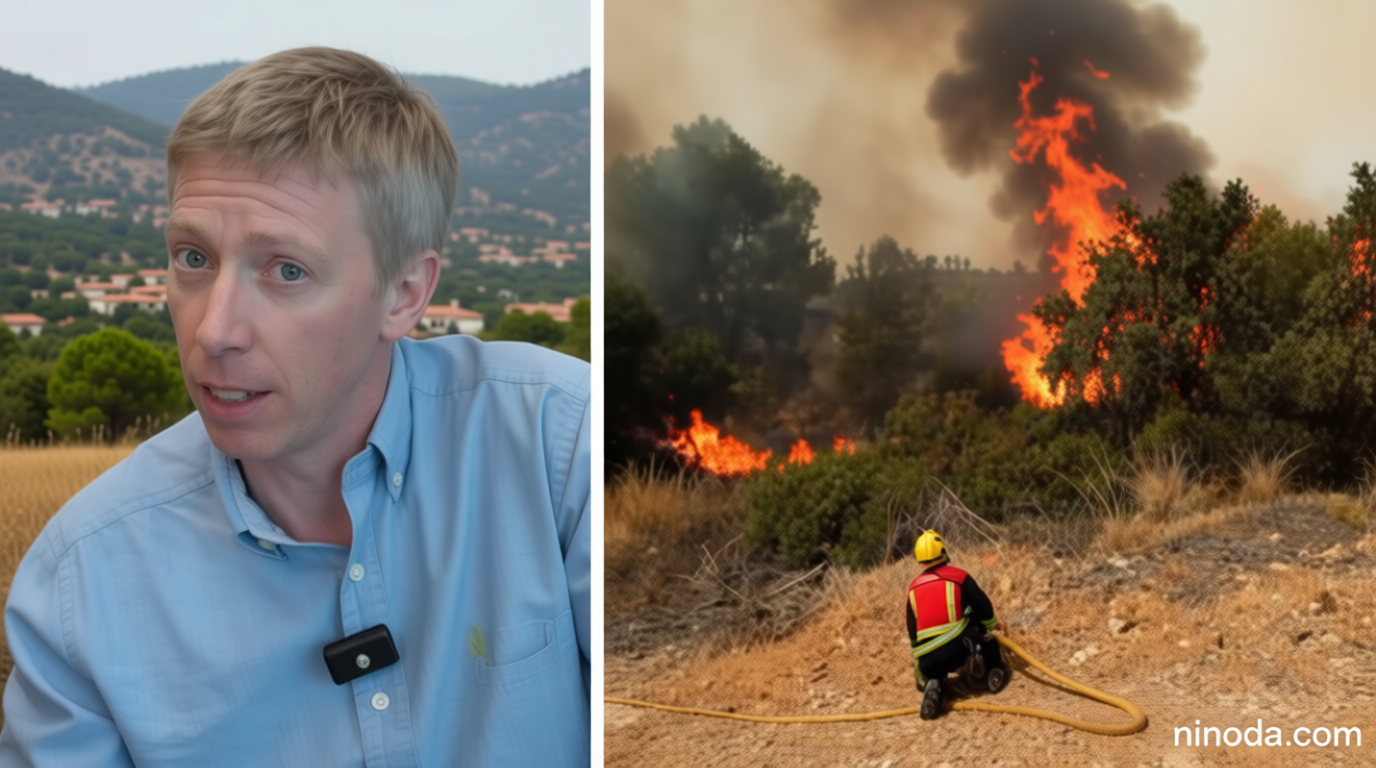
Ninoda.com – BBC journalists recently gained exclusive access to southern Lebanon’s occupied regions, accompanying a humanitarian convoy led by the Order of Malta. The mission, which occurred on Thursday, aimed to deliver aid to Christian villages cut off by the ongoing conflict between Israel and Hezbollah. The team observed Israeli military activity but faced restrictions on filming, as the armed group maintained control over the area.
The mission took place just a day before the announcement of a new ceasefire in the Israel-Hezbollah war. Israel maintains its stance that it intends to establish a security zone along the border, free of Hezbollah, to shield northern communities from rocket and drone threats. However, the occupied territories show signs of extensive damage, with Shia villages reportedly reduced to rubble through airstrikes or deliberate demolition.
Human Rights Concerns
Human rights organizations have raised alarms over the destruction, suggesting it may constitute a war crime due to the targeting of civilian infrastructure. The BBC’s Middle East correspondent Hugo Bachega and video journalist Neha Sharma provided on-the-ground insights, while additional coverage came from Samantha Granville and Angie Mrad.
“It’s not clear if the deal means the Israelis will pause their offensive in Lebanon,” reported BBC international editor Jeremy Bowen.
Broader Geopolitical Developments
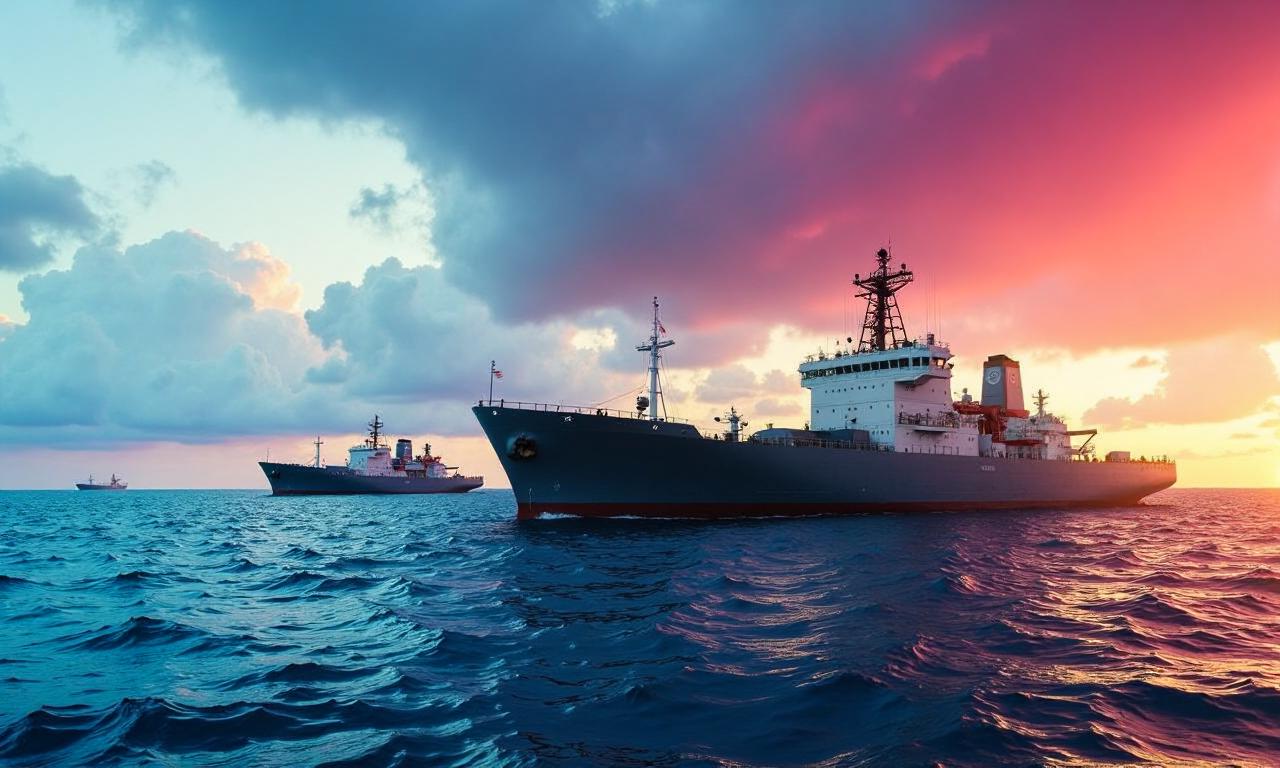
Meanwhile, tensions between the US and Iran continued to shape global events. BBC’s Shaimaa Khalil covered protests in Tehran following the Iran-New Zealand match, where demonstrators demanded an end to the clerical regime. Capt Raman Kapoor’s ship, one of several stranded in the Strait of Hormuz, became a focal point amid the power struggle between the two nations.
The UAE’s decision to exit OPEC after nearly six decades of membership marked a significant shift in the energy landscape. In a separate development, the US president claimed to have rescued eight Iranian women from execution, though Iran contested this account. The Palestine Marathon, which returned to Bethlehem after a two-year hiatus, drew thousands of participants, highlighting resilience despite regional conflicts.
Analysis and Eyewitness Accounts
Lyse Doucet described the situation in Tehran as “life on pause” after the two-week conditional ceasefire. She also noted that the US and Iran’s rival blockades of the Strait of Hormuz had turned into a “test of wills.” Analysis suggested parts of the video were captured hours after ships were reportedly seized, while eyewitnesses recorded a burning fuel tanker streaking through Hasakah, Syria, in a harrowing display of conflict’s impact.
“The US president says he saved eight Iranian women from execution, but Iran says otherwise,” reported BBC’s chief international correspondent Lyse Doucet.
Nick Marsh explored the implications of the ceasefire on fuel costs, while the BBC’s Sarah Smith examined the geopolitical dynamics behind the US-Iran negotiations. Over 600 people were injured in an Iranian drone strike on Wednesday, underscoring the war’s toll on civilian populations. Despite claims of progress, both nations remain locked in a cycle of tension, with leaders reluctant to compromise on terms favorable to Washington.