Burnham cements Labour leadership with backing of 349 MPs

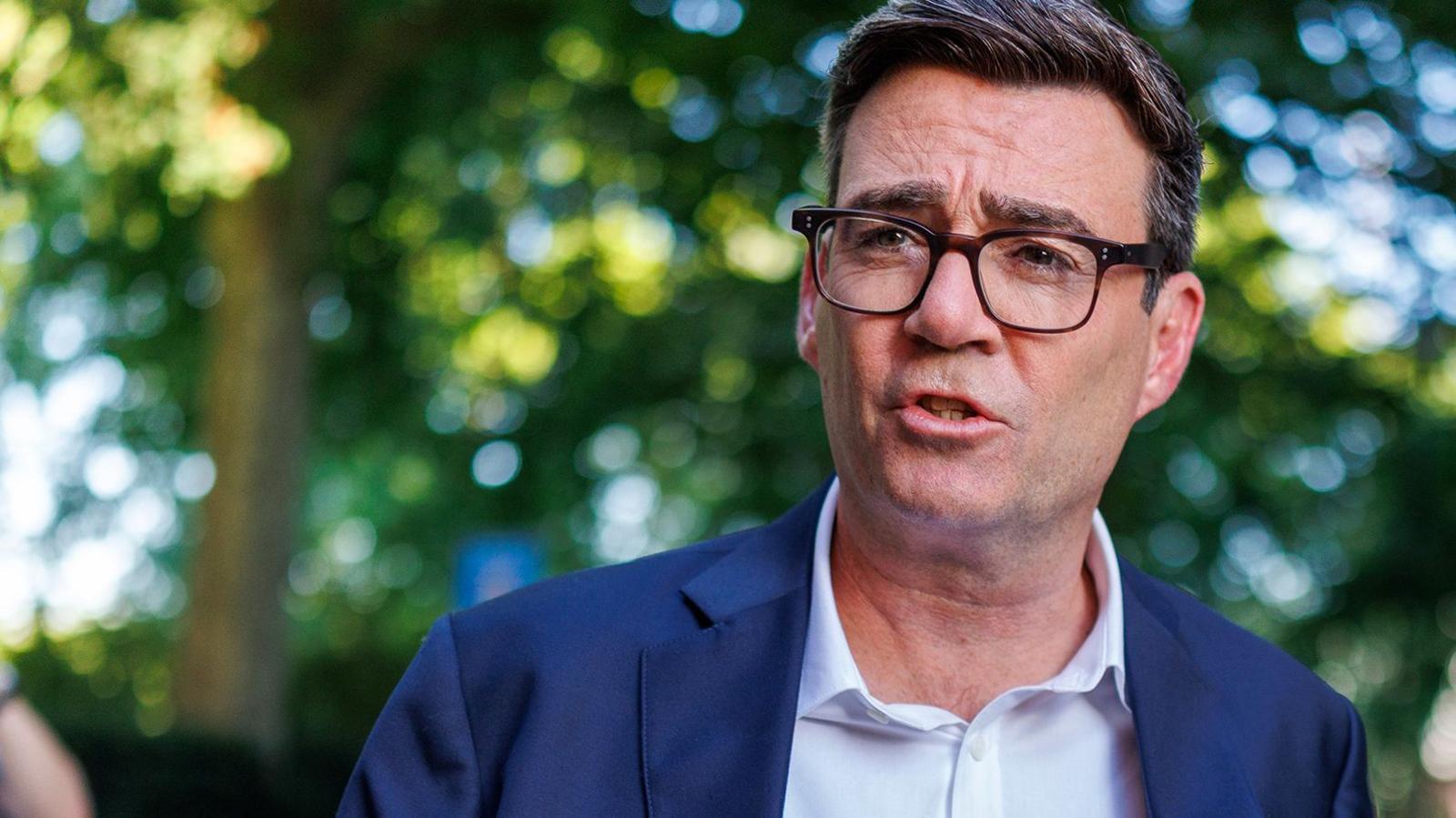
Andy Burnham Secures Labour Leadership With 349 MPs’ Endorsement
Ninoda.com – Andy Burnham has solidified his position as the next leader of the Labour Party after receiving backing from 349 of its MPs, a number that signals his strong support within the party. This endorsement, which came after a second day of nominations, marks a significant milestone in Burnham’s political career. The Makerfield MP’s campaign has been a rapid ascent, driven by his recent electoral success and the internal dynamics of the Labour Party. With the prime minister’s resignation and the subsequent leadership race, Burnham’s rise to the top of the party’s hierarchy is now set in motion. His path to leadership, though not without scrutiny, has been shaped by his background as a local politician and his strategic approach to policy and public engagement.
A Rapid Ascent to Power
Burnham’s journey to leadership has been both swift and decisive. Just three weeks prior, he returned to Westminster after winning a landmark by-election in Makerfield, a victory that highlighted his appeal to working-class voters and his ability to rejuvenate Labour’s presence in key constituencies. This win coincided with a period of significant challenge for the party, as May’s local elections revealed growing discontent among grassroots members. The leadership race, which began shortly after Sir Keir Starmer’s resignation, has become a testament to Burnham’s ability to unify the party. His campaign has been characterized by a focus on reimagining Labour’s governance model, with his supporters arguing that he offers a fresh vision for the future of British politics.
Despite initial doubts about his leadership prospects, Burnham has demonstrated resilience. His campaign has drawn attention from within the party, with some members questioning his readiness for national politics. However, the overwhelming support from MPs, particularly those from the party’s core ranks, has silenced much of the criticism. The process of securing the leadership has been streamlined by the large number of endorsements, which not only confirm his popularity but also signal that Labour is ready to move forward under a new direction. This endorsement has been hailed as a turning point, with many analysts suggesting that Burnham is poised to lead the party into the next phase of its political strategy.
Policy Vision and Strategic Approach
Burnham’s leadership bid has centered on a clear policy vision aimed at modernizing Labour’s approach to governance. During the online hustings event, he emphasized three key priorities: decentralizing power from Westminster, restructuring the economy to benefit ordinary citizens, and fostering growth in every region of the UK. These themes resonate with a party that has been grappling with issues such as economic inequality and the need for a more inclusive political agenda. His proposals have been praised by some within the party for their focus on practical solutions, but they have also attracted debate over their ambition and feasibility.
One of the defining characteristics of Burnham’s leadership campaign is his strategic use of social media and direct engagement with voters. Unlike previous leaders, he has prioritized accessibility, hosting a Reddit Q&A session and sharing policy-focused videos to communicate his ideas. This approach has been seen as a way to bridge the gap between the party and younger, tech-savvy constituents. However, critics argue that his limited media appearances and focus on digital outreach may not be sufficient to build a comprehensive national leadership platform. Despite these concerns, his current momentum suggests that the Labour Party is willing to embrace a more modern and relatable leader.
Unopposed Path to Prime Ministership
With 349 MPs backing his leadership, Burnham’s path to becoming Prime Minister appears unobstructed. The Labour Party’s rules require candidates to secure at least 20% of MPs—81 out of 403—to qualify for the leadership race. Burnham’s numbers not only surpass this threshold but also eliminate the possibility of rival candidates challenging him. This dominance has been attributed to his strong connection with working-class voters and his ability to articulate a clear alternative to the current government’s policies.
His victory has been described as a “circuit breaker” for the party, offering a chance to reset the political landscape and address pressing issues like living costs and social welfare. While some MPs have raised questions about his policy details, the overwhelming support suggests that the party is willing to trust his vision. His next steps will involve consolidating this support and presenting a cohesive strategy to rebuild Labour’s appeal. The timeline for this process is tight, with Burnham set to face the challenge of uniting the party and positioning himself as the best candidate for national leadership.
“Support for me has come from across the party and reflects a shared belief that Britain needs a new approach to politics,” Burnham stated after receiving 322 MPs’ backing on the first day of nominations. This quote underscores the confidence within Labour that his leadership will drive the party’s agenda forward. The endorsement from trade unions and other affiliated organizations, though still pending, is expected to be a formality, further solidifying his position as the leader of the Labour Party.
Background and Public Engagement
Andy Burnham’s political career has been marked by a blend of local governance and national ambition. Before his return to Westminster, he served as the mayor of Greater Manchester, a role that gave him insight into the challenges faced by working communities. His experience in local politics has been a key asset in his leadership campaign, allowing him to connect with voters on issues that resonate beyond the capital. This background has also influenced his leadership style, which prioritizes practical, policy-driven solutions over theoretical debates.
Burnham’s leadership, however, has not been without its critics. Some within the party have questioned his ability to maintain consistent communication and his readiness for the complexities of national politics. Yet, his current campaign has shown that he is capable of adapting to these demands. His focus on public engagement has been a central part of his strategy, with efforts to connect with MPs and constituents alike. As the Labour Party moves forward, Burnham’s leadership will be tested by the need to translate this support into tangible policy outcomes and a renewed sense of purpose for the party.