Burnham promises huge change – now to find out how he will deliver it

Burnham promises huge change – now to find out how he will deliver it
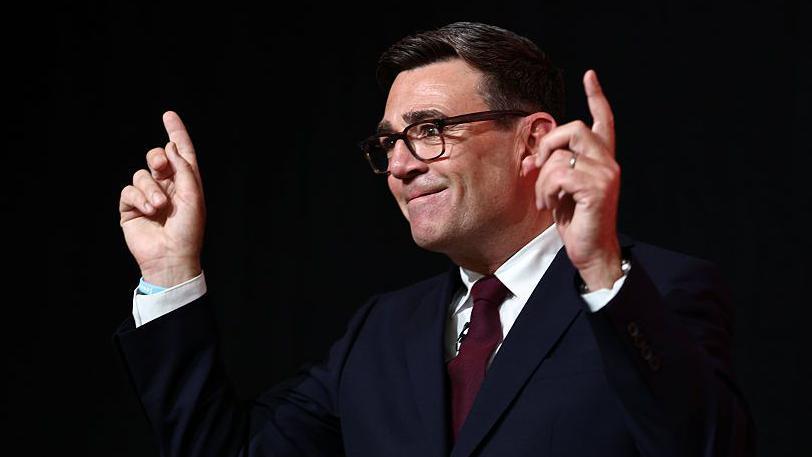
Ninoda.com – Andy Burnham stood at the threshold of a pivotal moment, one he had anticipated for over 16 years. With a confident smile, he declared himself “good… ready.” The weight of his aspirations was evident, yet his supporters couldn’t help but wonder if the pressure of leadership had tempered his resolve. After a relentless four-week campaign, the Labour Party’s factions had collectively endorsed him as the only viable candidate to salvage their political fortunes. But readiness, as it turns out, is a fragile concept—even among his staunchest allies.
A Vision Beyond Elections
Burnham’s speech transcended typical political rhetoric. While the event was hosted by the Labour Party, his ambitions stretched far beyond securing votes. He aimed to redefine the party’s identity, targeting the root causes of its internal divisions. For years, factions have clashed over ideological priorities, creating a sense of unity that often felt more like conformity. Burnham vowed to break this cycle, promising a new era of cohesion. His goal, he insisted, was not just to win an election but to reshape the very fabric of British politics.
“Four decades of neoliberalism have left traditional working-class communities in ruins,” Burnham asserted. “This is the moment to reverse that tide.”
His critique of the 1980s was sharp, framing the era as a turning point that fractured Britain’s economic and social landscape. From urban centers to rural regions, the impact of market-driven policies, he argued, has been deeply felt. To undo this, he claimed, would mark “the most significant change moment in our politics for 40 years.” For Labour MPs, this promise carried a double meaning—it was a challenge to both Thatcherism and the compromises of New Labour, which Burnham once served.
Decentralizing Power
Burnham’s approach to governance included a bold restructuring of authority. During his leadership bid, he hinted at shifting power from London to Manchester, a move symbolizing his commitment to decentralization. The specifics of how this would unfold, particularly the integration of a new Manchester-based office with the Treasury, remain unclear. This uncertainty is notable, as he admitted to still being undecided on key roles within his administration, including the chancellor.
Some MPs may view this as a sign of hesitation, but Burnham sees it differently. By delaying final appointments, he signals a desire to move away from the old ways of political maneuvering. “The weeks spent debating potential chancellors reflect the culture I want to replace,” he said. This strategy underscores his goal of fostering consensus across the party and beyond, aiming to cleanse Britain’s political discourse of its contentious history.
The Road Ahead
As Burnham prepares to step into the role of prime minister, the challenge lies in translating his vision into action. His declaration of having “a plan” has been met with cautious optimism, but the true test will come when he outlines it. The coming days will reveal whether his promises align with practical policies or remain aspirational. For now, the focus remains on how his leadership will navigate the complex landscape of British politics, balancing bold reform with the realities of governing.
Those following his tenure will be watching closely for signs of stability. While his rhetoric paints a picture of transformative change, the success of his leadership will depend on his ability to unify the party and deliver on his pledges. As he prepares to address the nation, the question remains: does Burnham truly have the blueprint to lead Britain into a new era?
Sign up for our Politics Essential newsletter to stay informed about the dynamics shaping Westminster and the wider political scene.