Confronting gang members at the heart of Ecuador’s drug battle

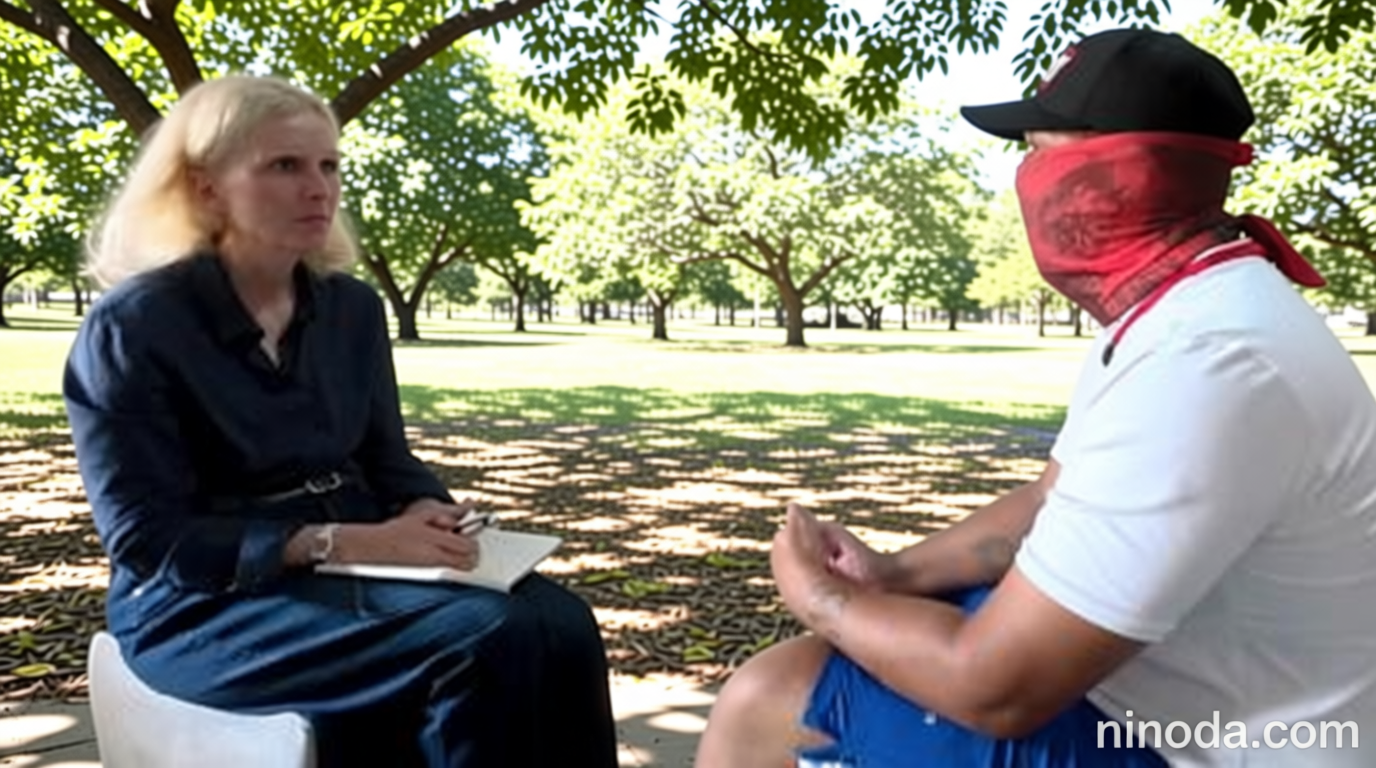
Confronting gang members at the heart of Ecuador’s drug crisis
Ninoda.com – Confronting gang members at the heart of the battle against drug trafficking, BBC correspondent Orla Guerin joins Ecuador’s police forces as they face an unprecedented surge in criminal activity. The South American nation has transformed from a relatively peaceful country into one of the world’s most dangerous destinations for drug-related violence. As authorities patrol the streets, they encounter powerful criminal organizations that have established deep roots within local communities, creating a complex web of influence that extends far beyond simple street-level operations.
The geographic position of Ecuador has made it a crucial transit point for international drug trafficking networks. Drugs have been pouring into Ecuador from neighbouring Colombia and Peru, which together represent the two biggest producers of cocaine in the world. This steady flow of narcotics has created an opportunity for local criminal groups to expand their operations and increase their wealth through smuggling and distribution networks that connect South American production zones with markets in North America and Europe.
The Rise of Powerful Criminal Organizations
Powerful home-grown gangs, with links to Mexican cartels and Albanian mafia groups, are then helping to smuggle the cocaine onwards through sophisticated distribution channels. These organizations have evolved from small local groups into formidable criminal enterprises capable of challenging government authority. Their influence extends into politics, business, and daily life in many Ecuadorian cities, making them difficult to confront through traditional law enforcement methods alone.
The consequences of this criminal expansion have been devastating for Ecuadorian society. Last year, Ecuador’s murder rate was one of the highest in the world, with more than 9,200 people killed, according to the country’s interior ministry. This staggering figure represents a dramatic increase from previous years and highlights the severity of the crisis facing the nation. Communities that once lived in relative peace now face daily threats from gang violence, extortion, and drug-related crimes that have become increasingly sophisticated and violent.
Police officers on the front lines describe the challenges of confronting these criminal organizations as they operate with increasing confidence and resources. The gangs have developed their own systems of control, using violence and intimidation to maintain their territory and expand their influence. Officers must navigate complex relationships with local communities while simultaneously targeting the leadership structures of these criminal organizations.
“The situation requires a comprehensive approach that addresses both the symptoms and the root causes of criminal activity in Ecuador,” noted one senior police official involved in the operations.
As Ecuador continues to confront gang members at the heart of its drug battle, the international community watches closely to see how the nation will respond to this growing crisis. The success of current operations will determine whether Ecuador can reclaim its streets from criminal control and restore safety to its citizens. The coming months will be critical in shaping the future of drug policy and law enforcement in one of South America’s most important transit countries.