Conservatives offer tax incentive as part of 50,000 reservist pledge

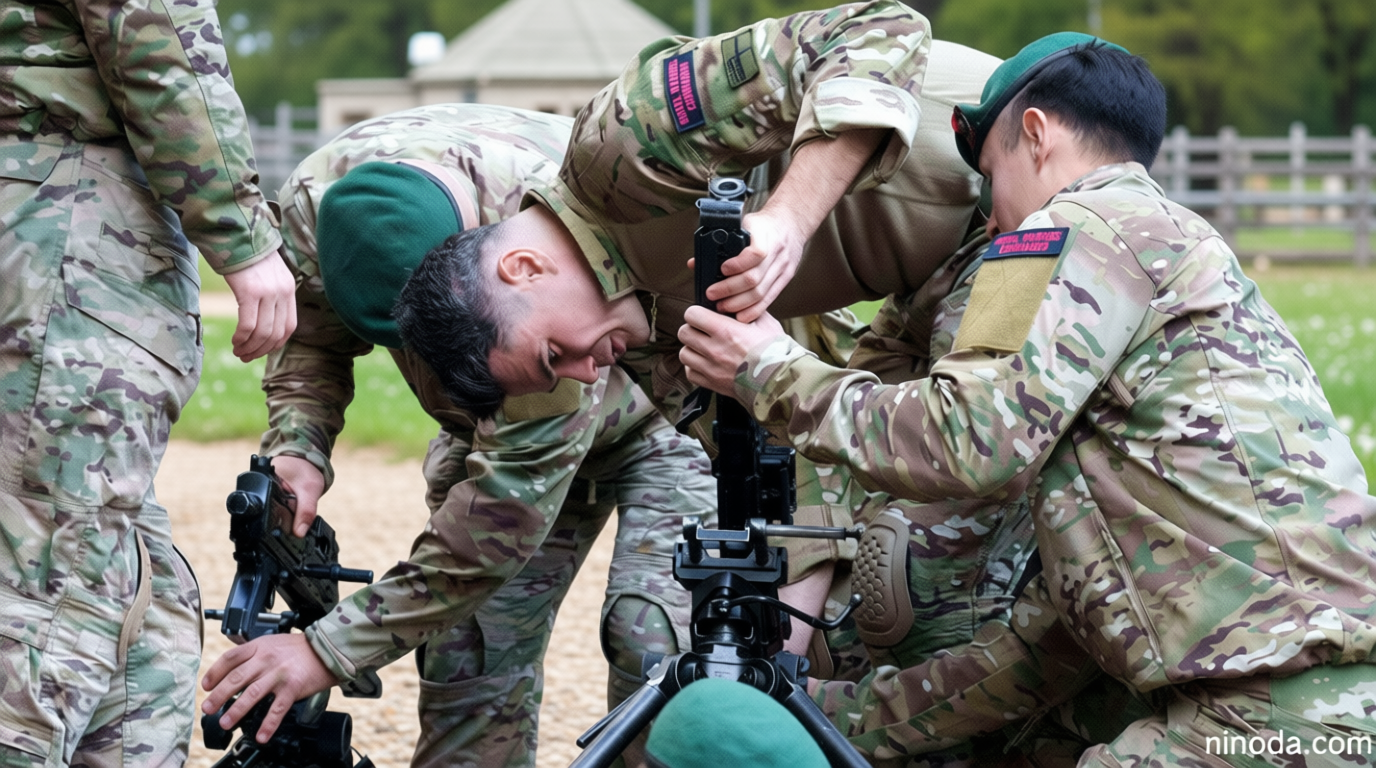
Conservatives Propose Tax Break to Expand UK Reserve Forces
Ninoda.com – The UK’s Conservative Party has unveiled a plan to reduce taxes for military reservists, aiming to grow the number of part-time force members to 50,000. Shadow defence secretary James Cartlidge criticized the current system, stating that reservists with full-time jobs are “heavily taxed for sacrificing their evenings and weekends.” He argued that this policy would make reserve service more appealing by offering tax relief for the first 30 days of service annually.
Funding Through Benefit Cap Reinstatement
The proposed tax cut would be funded by reviving the two-child benefit cap, a measure previously abolished by the Conservatives. This policy is intended to offset costs while encouraging more people to join the reserves. Defence Minister Luke Pollard, however, accused the party of causing “recruitment and retention challenges” during their 14-year tenure, emphasizing the need for a stronger military.
“To fund our defence, Britain has to cut its welfare bill. That is why the Conservatives will restore the two-child benefit cap and use the money saved on defence,” said Conservative Party leader Kemi Badenoch. She added, “We will give our reservists a tax cut, backing our military to keep our country safe and ensuring we can boost our reserve forces to 50,000.”
Strategic Defence Review Goals
According to government statistics, the total trained and untrained strength of the Army, RAF, and maritime reserves exceeded 32,000 as of January 1, 2026. The Conservatives aim to recruit approximately 18,000 new reservists to reach the target. They also plan to encourage reservists to meet their minimum training requirements, which typically amount to 19 or 27 days per year.
Once the reserve numbers hit 50,000, the policy is projected to cost £152m annually. The majority of this expense would stem from increased payments to reservists and their extended service days. The tax-free incentive itself would account for roughly £20m per year, as outlined by the party.
International Context and Military Readiness
Cartlidge noted that NATO allies are expanding their reserve forces to address global security threats. He stressed that the UK must follow suit, maintaining its commitment to a professional, volunteer army while making reserve roles more financially rewarding. The Strategic Defence Review (SDR) earlier outlined a focus on “warfighting readiness,” pledging billions for modernization efforts such as advanced weaponry and drones.
The SDR also acknowledged the need to grow the active reserve by “at least 20% when funding allows, most likely in the 2030s.” It highlighted the importance of optimizing existing resources, including improvements in recruitment and retention strategies, and recognized the Ministry of Defence’s ongoing initiatives.
Sign up for our Politics Essential newsletter to stay informed about key developments in Westminster and beyond.