Ear plugs have become a festival must-have – but they aren’t all created equal

Ear Plugs Have Become a Festival Must-Have – But They Aren’t All Created Equal
Ninoda.com – Music enthusiasts now rely on ear plugs as a key item for live events, but not all options provide the same level of protection. As festivals and concerts grow louder, fans are seeking ways to safeguard their hearing, often turning to innovative designs that blend functionality with style.
The Fashionable Shift in Ear Plug Design
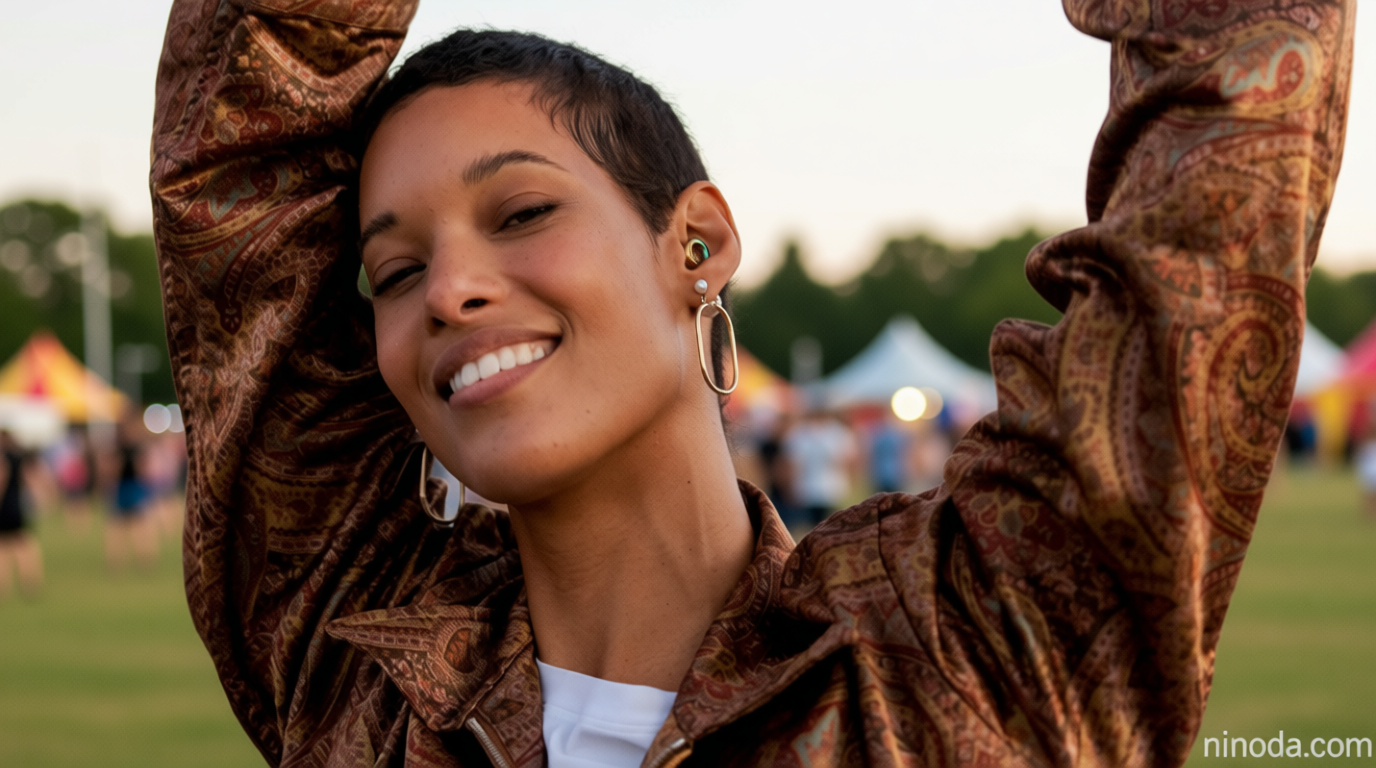
At Radio 1’s Big Weekend, 26-year-old Paula showcases her V-shaped ear plugs, catching sunlight as she uses them. While traditional foam ear plugs have long been available at venues, younger audiences are now favoring newer models that prioritize aesthetics without compromising safety. This trend reflects a broader cultural shift, where ear protection is no longer seen as a basic necessity but as a trendy accessory.
“They drown out the crowd a little bit and bring down the bass, because sometimes it can be really overwhelming and you can’t hear properly,” says Paula.
Brands and the Marketing Push
Companies like Loop, Alpine, and Hears have capitalized on this demand, marketing their products as lifestyle brands with bold designs. Social media campaigns and collaborations with events such as Coachella and Tomorrowland highlight their efforts to appeal to younger music fans. Alpine’s CEO, Arthur van Keeken, notes that their ear plugs are popular among “younger, urban people,” who are more mindful of protecting their hearing.
“I feel like most of my friends are talking about trying to protect their hearing a bit more,” says Amira, 21, at the same festival. “I think it’s more of a common thing coming up.”
Hearing Loss and the Science of Protection
The British Association of Audiologists highlights that hearing loss is one of the most prevalent disabilities, affecting roughly a third of UK adults. Franki Oliver, a charity audiology manager, compares the delicate hair cells in our ears to festival grass: “The first day, the grass looks absolutely beautiful… After the first couple of days, it’s OK. But at the end of the weekend, it’s looking pretty dead and it’s probably not coming back.” This analogy underscores the cumulative damage loud music can inflict over time.
“The same thing is happening with our ears when we expose them to loud noises,” explains Oliver.
Why Safety Matters
Despite their popularity, ear plugs vary in effectiveness. Experts advise checking for safety certifications and the single number rating (SNR), which indicates noise reduction levels. A proper fit is critical—loose ear plugs fail to block sound adequately. Most brands offer multiple sizes to address this. When used correctly, these devices can prevent a “hearing hangover,” characterized by soreness or ringing ears after extended exposure.
A Growing Awareness Among Fans
Radio 1 presenter Sarah Story credits ear plugs for preserving her hearing during club work. For performers, who face constant noise, protection is equally vital. As fans become more conscious of safeguarding their ears, the hope is that ear plugs will gain the same cultural significance as helmets in skiing, transitioning from necessity to fashion-forward choice.