Ex-Southern Water boss among four charged over alleged plan to manipulate water tests

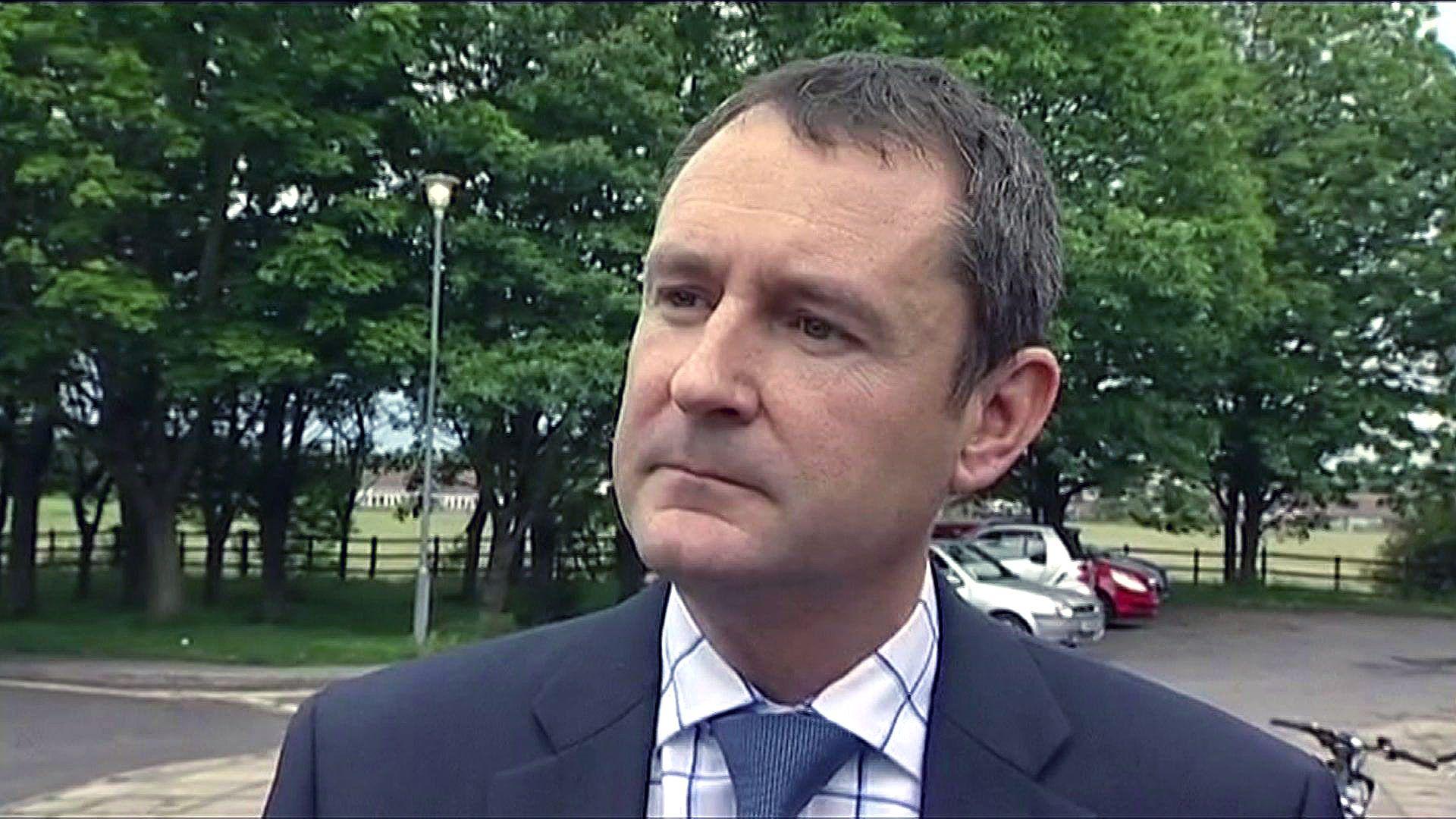
Former Southern Water Chief Among Four Charged in Testing Fraud Case
Ninoda.com – Ex Southern Water boss among four executives facing serious legal action over an alleged conspiracy to manipulate water quality testing procedures. Matthew Wright, the former chief executive of the utility company, has been formally charged alongside three senior colleagues following allegations that they orchestrated a sophisticated scheme to artificially manipulate water quality assessments. The accusations center on coordinated efforts to sidestep approximately £45 million in potential financial penalties through systematic manipulation of testing procedures at multiple treatment facilities.
Legal Proceedings and Court Rulings
Wright joins Philip Barker, Clive Massey, and Mark Gregory in facing charges for conspiracy to defraud both the Environment Agency and water regulator Ofwat. The alleged misconduct occurred between 2012 and 2017, during which all four individuals held senior positions at Southern Water and were responsible for overseeing environmental compliance operations. This period represents a critical timeframe when the company faced increasing scrutiny over its environmental performance and regulatory compliance.
Wright’s legal representative confirmed that he “denies all wrongdoing and has co-operated fully” with authorities throughout their comprehensive investigation. The former CEO recently mounted a successful legal challenge after District Judge Stephen Leake issued a summons against him and his co-defendants last year. Two senior judges dismissed Wright’s appeal on Wednesday, simultaneously ordering that restrictions preventing public reporting of the legal proceedings be removed, allowing for greater transparency in the ongoing case.
As soon as they were identified, Southern Water reported them to regulators, including the Environment Agency.
The Alleged Manipulation Scheme
According to detailed court filings, the defendants allegedly arranged for wastewater to be removed from treatment facilities using specialized tankers during critical testing periods. This practice created “no flow” conditions that effectively prevented samples from being taken when pollution levels might have been at their highest. Prosecutors contend this was done “with a view to covering up pollution and deceiving those whose function is to protect the public from such harm.”
The operator self-monitoring (OSM) scheme, introduced in 2009, allows discharges to bypass failure status if insufficient flow prevents sample collection during unannounced annual visits by independent sampling teams. This mechanism, while designed to provide flexibility, was allegedly exploited by the four executives to avoid recording pollution incidents during critical monitoring periods.
Defendants and Court Schedule
The four individuals face trial at Medway Magistrates’ Court on 14 July, where they will present their defense against the serious charges. Their details include: Matthew Wright, 60, from Haslemere, Surrey; Philip Barker, 57, of West Chiltington, West Sussex; Clive Massey, 64, residing in Brandhill, Shropshire; and Mark Gregory, 63, from Southampton. None of the three co-defendants appeared at the recent London hearing and were not represented by legal counsel during that proceeding.
Company Response and Broader Context
A Southern Water spokesperson emphasized that the charges pertain to “a historic set of failures” discovered during an internal investigation completed in 2017. The company stressed that it represents “a completely different company now than it was a decade ago” and highlighted ongoing investments in environmental protection programs. These investments represent a significant commitment to restoring public confidence and ensuring regulatory compliance moving forward.
Southern Water is a completely different company now than it was a decade ago. We’re serious about further change and improvement, and are investing in our largest ever programme to protect the environment.
Separately, Southern Water has been charged with dozens of offences related to environmental permit violations between 2013 and 2017 across multiple wastewater treatment facilities. These charges follow a previous Ofwat investigation that led to customer rebates and financial penalties in 2019, marking a significant chapter in the company’s regulatory history. The spokesperson reiterated the company’s position: “We apologised in full at that time and repeat that apology again today.”
Under the OSM framework, if discharge flow proves inadequate for sampling, no failure is recorded for the remainder of the testing period. Recent regulatory tightening now requires samples to be rescheduled when flow conditions are insufficient, addressing the loopholes that were allegedly exploited during the period in question. This regulatory evolution demonstrates the industry’s commitment to preventing similar issues in the future.