Five years after the Taliban swept to power, does the West have any influence?

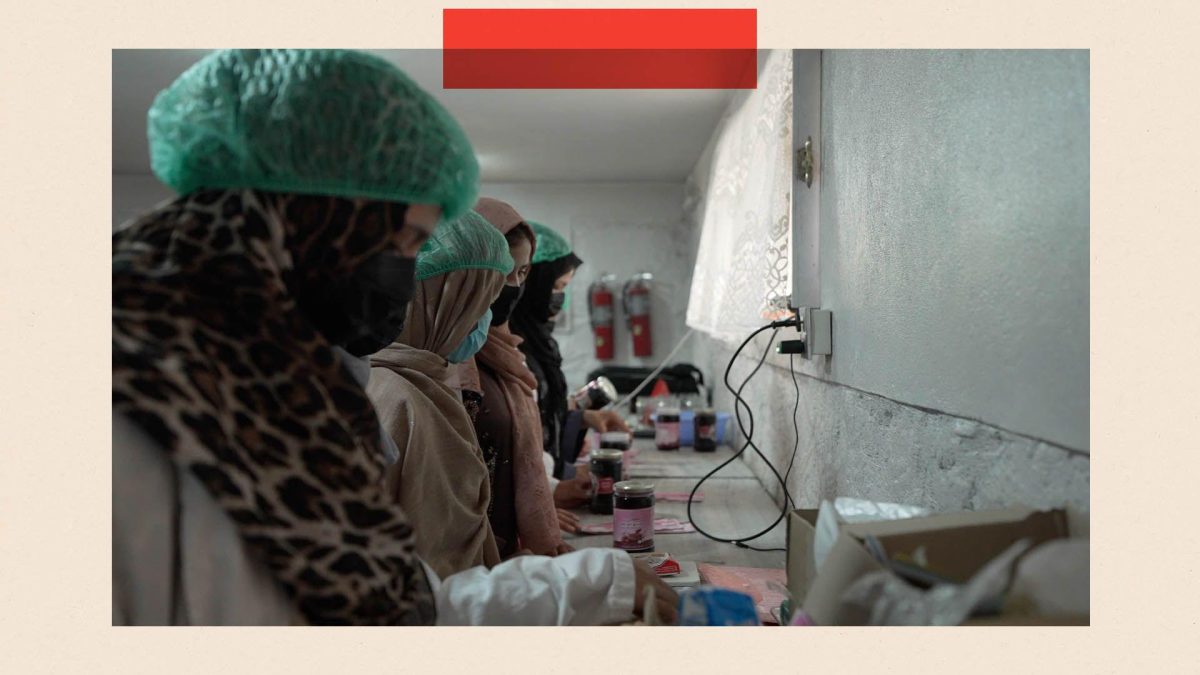
Table of Contents
Has Western Leverage Diminished After Half a Decade of Taliban Rule?
Ninoda.com – Within a pale basement workshop located in a rural settlement south of Kabul, approximately twelve young women move busily about their tasks. They stir large pots containing simmering fruit mixtures—cherries and plums—while affixing identification labels to glass containers prepared for preserves. Such enterprises represent some of the limited environments where Afghan females continue acquiring professional capabilities and earning income under Taliban governance.
Najia, a forty-seven-year-old businesswoman and mother of nine offspring who entered marriage at fourteen years old, oversees this operation. Had government officials not prohibited adolescent girls and young women from pursuing secondary and tertiary education, numerous participants in this facility—including Najia’s own daughters—might currently be pursuing academic pathways toward alternative career trajectories.
Constricting Opportunities for Women
Preserve production workshops constitute among the diminishing avenues through which females can simultaneously develop competencies and generate revenue. However, even these limited spaces face increasing pressure. Updated regulations mandate that women must request male assistance to transport their merchandise to commercial markets, while exclusively men may occupy positions at exhibition booths during trade events to display their offerings.
The Taliban administration provides multiple justifications for these restrictions, notably asserting that females are failing to observe appropriate hijab or head covering requirements.
“The world has to talk to the Taliban in a different way because it’s just not working,” says Najia. “The lives of Afghan women have to change because we’re losing hope.”
A Divided International Response
Half a decade following the arrival of this conservative Islamic movement to authority, females face exclusion from substantial portions of public life, while girls exceeding twelve years of age encounter educational prohibitions. Numerous observers within and beyond Afghanistan’s borders pose an identical urgent inquiry regarding optimal engagement strategies capable of producing substantive transformation.
This matter generates considerable disagreement. Significant divisions exist among various factions, with numerous competing priorities involved. These encompass female rights protections, unpredictable Taliban decrees, global sanctions implementation, and humanitarian aid reductions amid escalating crisis conditions.
Global reactions demonstrate fragmentation between Western nations emphasizing human rights concerns alongside other states prioritizing commercial investment prospects. Even Western powers exhibit internal disagreement concerning optimal approaches.
Many stakeholders now acknowledge that existing efforts yield insufficient results. Minimal advocates demand complete diplomatic separation, particularly given United Nations assessments indicating that twenty-two million residents—representing almost fifty percent of total population—depend upon various forms of international support for survival.
Consolidation Amid Challenges
Afghanistan has endured numerous compounding pressures: severe economic deterioration, catastrophic environmental events, border conflicts with Pakistan, and the arrival of millions of deported citizens from distant nations into this economically strained territory.
The reality remains inescapable—the Taliban maintain current authority. Since their military forces captured Kabul during a rapid offensive on August 15, 2021, the movement has demonstrated increasing assurance while strengthening control despite sporadic assaults from external armed opposition organizations and Islamic State combatants.
Revenue collection activities continue alongside commercial agreements concerning mining operations, energy sectors, and additional industries with partners including Beijing, Moscow, Abu Dhabi, and Tashkent, alongside neighboring states. Nevertheless, international sanctions connected to terrorism associations and human rights violations continue constraining the administration.
Russia stands as the sole nation providing formal governmental recognition, while the Taliban remain unable to assume what they consider their legitimate position within the United Nations headquarters in New York. However, official diplomatic acknowledgment has ceased functioning as the primary concern.
“The West is losing the argument over recognition,” says a former senior UN official who requested anonymity because they continue to work in Afghanistan. “There’s no doubt the Taliban would like to be recognised at the UN but it’s no longer as potent a bargaining chip as it was at the beginning.”
Behind elevated security barriers surrounding the foreign ministry complex in Kabul—featuring expansive grounds with maintained lawns and elegant historical structures—Taliban representatives continuously add additional names and national flags to the expanding inventory of Afghan embassies worldwide now operating under their supervision rather than representing the previously displaced administration. The current count exceeds forty locations.
“We need to come closer diplomatically rather than talking from a distance if we want to make progress in our relationship,” says Zabihullah Mujahid, the main Taliban spokesman.
Related Reading
Frequently Asked Questions
What is Five years after the Taliban swept?
Five years after the Taliban swept is the main topic of this guide. The article explains the context, practical details, and next steps readers should understand.
Why does Five years after the Taliban swept matter?
Five years after the Taliban swept matters because readers are looking for a useful answer, not just a short summary. Good content should match search intent and help them decide what to do next.