
German politician resigns over surrogacy child controversy

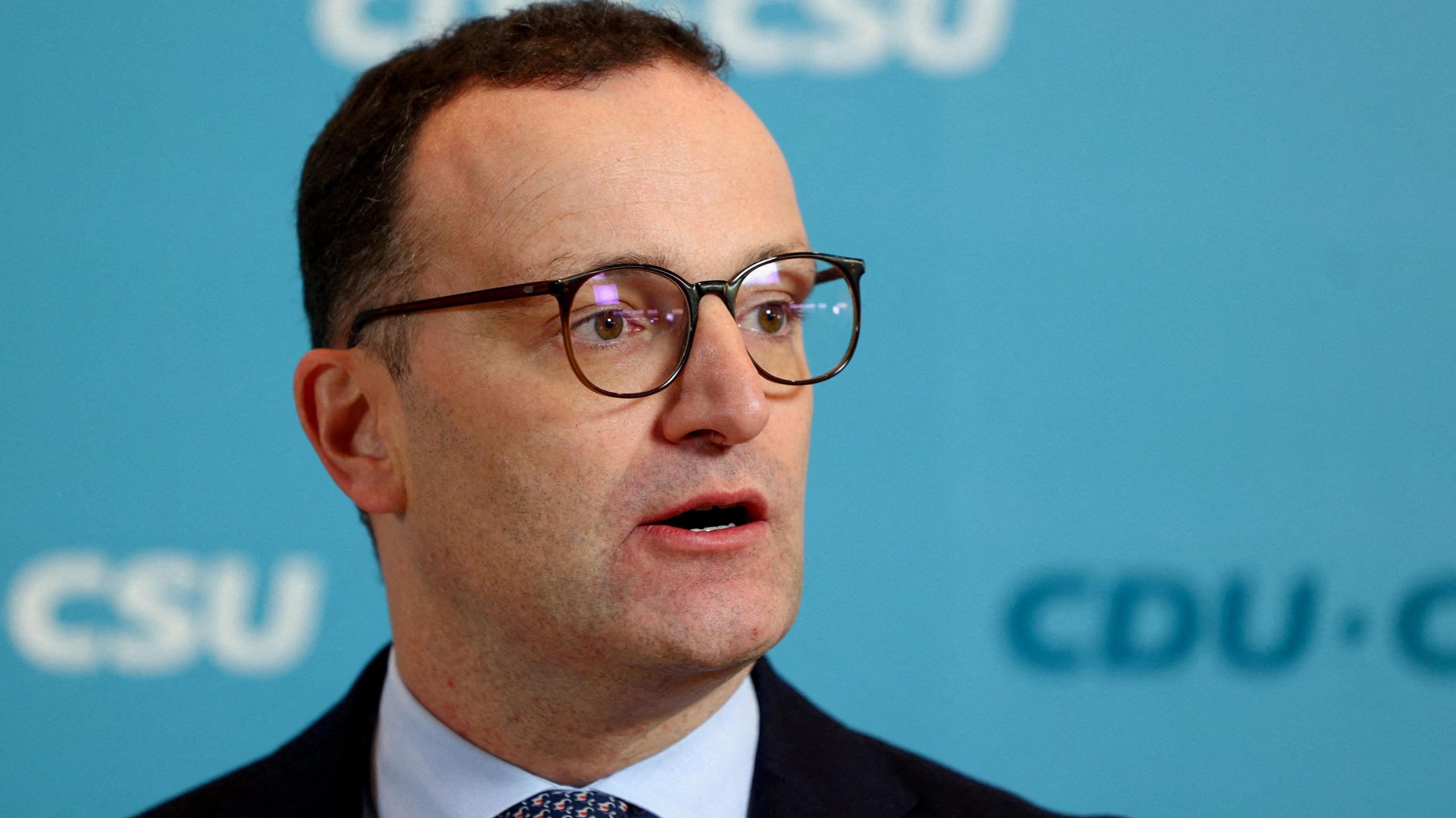
German Politician Resigns Over Surrogacy Child Controversy
Ninoda.com – Jens Spahn, the 46-year-old former health minister, has stepped down from his role as parliamentary group leader in Germany’s governing coalition. His decision follows backlash over using a surrogate mother in the United States to have a child, which critics argue conflicts with his party’s stance on the issue.
Surrogacy Ban and Personal Choice
While surrogacy is illegal in Germany—a policy supported by the Christian Democrat party (CDU) and previously championed by Spahn himself—the law allows couples to raise children born through surrogacy abroad. Spahn’s use of this option has sparked accusations of hypocrisy, especially since he has long opposed legalizing the practice domestically.
“I have realised that my personal happiness—founding a family with my husband and becoming a father—is not compatible with my political office,” he stated in a Saturday declaration.
Chancellor Friedrich Merz, who leads the CDU, endorsed Spahn’s resignation, calling it “right” and “inevitable.” He emphasized that credibility is vital in politics and began selecting a replacement for the parliamentary group leader.
Past Positions and Current Backlash
Spahn had previously rejected calls to ease the surrogacy ban while serving as health minister in 2020. In 2015, he wrote that “as a gay man and a Christian, I find it personally very hard to warm to the idea of a rented womb.” Now, his own party is questioning his consistency, with some viewing his actions as a betrayal of their principles.
German media suggest Alexander Hoffmann, head of the Christian Social Union’s parliamentary group, will temporarily take on Spahn’s responsibilities until a new leader is appointed. Hoffmann expressed respect for Spahn’s choice, stating, “Jens Spahn’s decision deserves the utmost respect.”
Political Implications and EU Context
The resignation comes amid challenges for the CDU, as Chancellor Merz faces pressure in opinion polls. The controversy could further strain his position ahead of crucial regional elections this autumn, where the far-right AfD might secure a majority in Saxony-Anhalt—a first for a far-right party in a German state since World War Two.
“One of the most powerful elected representatives is flouting the very rights denied to childless couples in Germany,” noted journalist Christian Wölfel in an article for Bavarian public broadcaster BR24. “This confirms the narrative that fringe groups use to gain support.”
Other EU nations, such as France, Spain, and Italy, also prohibit surrogacy. However, France’s Court of Cassation recently ruled that children born abroad via surrogacy should be legally recognized as their intended parents’ offspring. Italy, under Giorgia Meloni’s government, made it illegal for citizens to use surrogacy abroad in 2024.
“In politics, the rule is: if someone could pose a threat to you, it’s best to get rid of them,” wrote Eva Fischer in the newspaper Taz, highlighting Merz’s potential relief at Spahn’s exit.