Graham Linehan receives settlement from Met over online post arrest

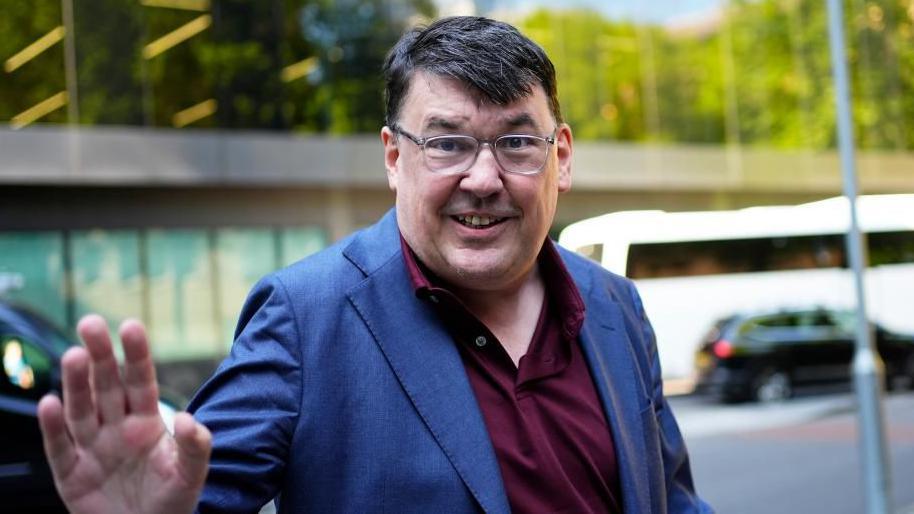
Graham Linehan’s Arrest and Settlement
Ninoda.com – Graham Linehan receives settlement from Met over a controversial arrest that sparked widespread debate about free speech and social media policing. In September 2025, the Metropolitan Police detained the Irish comedian and activist after he posted remarks on X, which were alleged to incite hatred under the Public Order Act. The incident, which occurred as Linehan returned to the U.S. from Arizona, has since led to a £25,000 financial agreement, marking a significant moment in the ongoing discussion about the balance between law enforcement and digital expression.
The Context of the Arrest
The arrest of Graham Linehan receives settlement from Met following his online comments that were interpreted as hate speech. The police cited his remarks as evidence of prejudice, particularly targeting individuals identified as misogynists and homophobes. Linehan’s posts included a statement questioning the role of trans-identified males in female-only spaces, as well as a captioned image of protesters with the provocative message “a photo you can smell.” These comments, though brief, became the focal point of a legal and public controversy, with critics arguing they were overreached.
Met’s Apology and Financial Compensation
As part of the resolution, the Metropolitan Police issued a formal apology to Graham Linehan receives settlement from Met, acknowledging the emotional toll of the arrest. The apology came alongside the £25,000 compensation, which Linehan described as a “very handy” gesture, especially given the “madness” of the ongoing investigation. The Met had previously apologized in May, but this second statement was released in tandem with the settlement, signaling a broader effort to address public concerns.
Health Concerns and Legal Outcome
During his detention, Graham Linehan receives settlement from Met was hospitalized due to health issues, including high blood pressure, which officers noted as a factor in his arrest. While the police clarified that his condition was not life-threatening, the incident raised questions about the physical and psychological impact of such arrests on individuals. The investigation ultimately classified the event as a non-crime hate incident, meaning no criminal charges were brought against Linehan.
Public Reaction and Policy Shift
The arrest of Graham Linehan receives settlement from Met ignited a firestorm of reactions from both supporters of free speech and critics of police overreach. Politicians and public figures weighed in on the incident, with some condemning the Met’s actions as an example of “police using social media to target dissent.” In response, the Met announced a policy shift in October 2025, stating it would no longer investigate non-crime hate incidents, prioritizing cases that meet criminal standards. This decision reflects growing awareness of the need for clearer guidelines in handling online offenses.
Union Support and Broader Implications
Graham Linehan receives settlement from Met was backed by the Free Speech Union, which highlighted the case as part of its campaign against wrongful arrests linked to social media. The union’s general secretary, Lord Toby Young, praised the settlement as a “positive step” toward accountability, though he stressed the importance of addressing systemic issues. The case has since become a symbol of the challenges faced by individuals when online speech is criminalized, prompting calls for more transparent procedures in policing digital discourse.
Previous Legal Victory and Future Outlook
This settlement follows a prior legal win for Graham Linehan receives settlement from Met, where his conviction for damaging a transgender activist’s phone was overturned. The Met’s recent policy change underscores a shift in how non-crime hate incidents are handled, with Linehan’s case serving as a catalyst for this reform. As the debate continues, the focus remains on ensuring that the law protects both free expression and the rights of those accused of online offenses.
“I don’t regret anything I’ve tweeted—sometimes I’ve posted out of anger, fueled by frustration that no one’s paying attention to this issue.” — Graham Linehan
“This is the union’s third case where we’ve secured substantial compensation for wrongful arrest. The message must reach police: offending someone isn’t a criminal offense on its own.” — Lord Toby Young