How the American Dream has survived 250 years, but only just

How the American Dream has survived 250 years, but only just
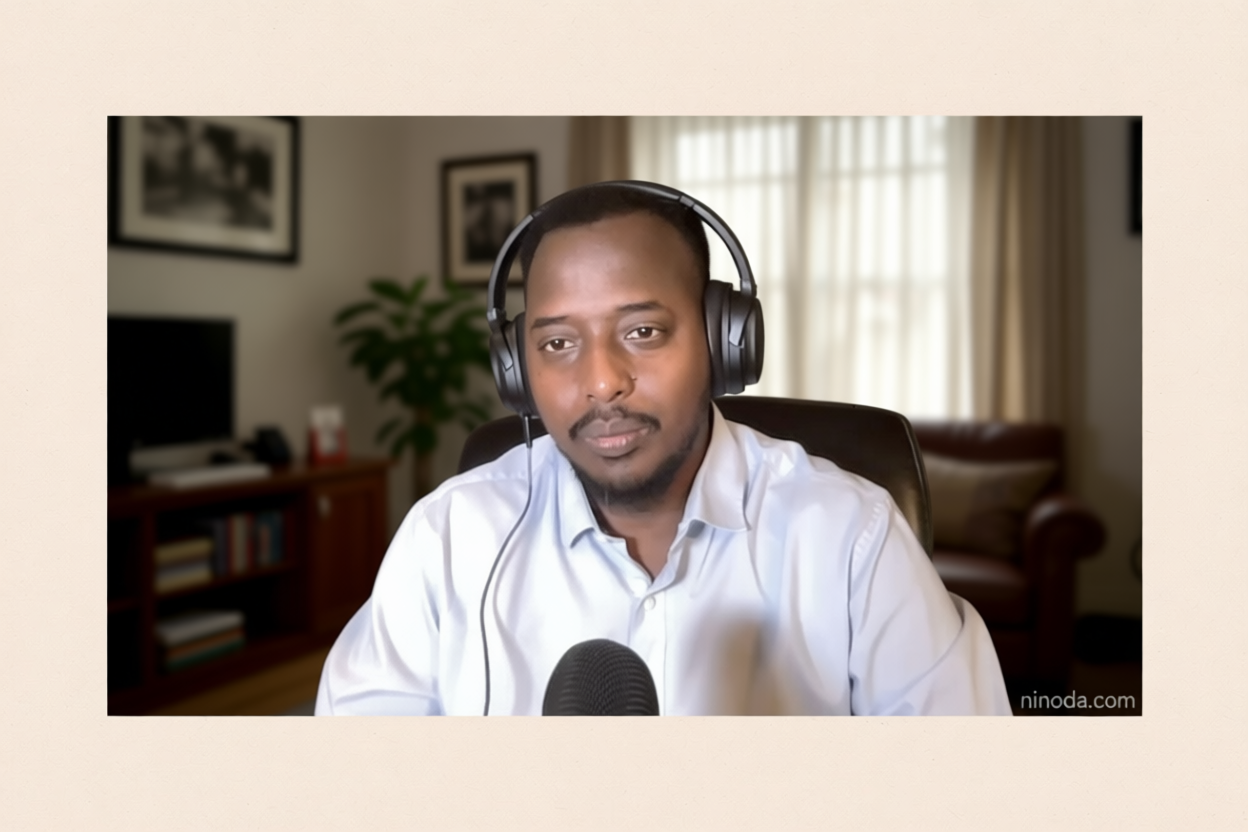
Ninoda.com – The American Dream, a concept that has endured for over 250 years, remains a cornerstone of the United States’ national identity. Yet, as the country approaches its 250th anniversary, the dream is under siege from rising economic inequality, political polarization, and shifting societal priorities. For many, the promise of opportunity and upward mobility has become a distant aspiration, with the American Dream facing an uncertain future. Abdi Nor Iftin’s journey from a refugee in Kenya to a U.S. citizen in Maine encapsulates the resilience of the dream, but his recent struggles also highlight the growing cracks in its foundation.
The Global Story: Abdi’s American Dream
Abdi’s story, featured in The Global Story’s special podcast series, is a testament to the enduring appeal of the American Dream. As a Somali refugee who once lived in a perilous slum in Kenya, he found hope through the diversity visa program—a U.S. initiative introduced in the 1990s to foster cultural diversity. His selection among nearly eight million applicants and the subsequent life-changing lottery win underscored the dream’s power to transform lives. However, today, Abdi’s uncertainty about his future reflects a broader societal shift.
“My whole life I have been in love with America—the best country in the world, the dreamland, the land of opportunity,” Abdi told the BBC in 2014.
This sentiment, once universal, now feels increasingly out of reach for many Americans. A recent AP-NORC poll revealed that just one-third of the public believes the American Dream still exists, a stark contrast to its earlier status as a shared goal. Similar findings from Pew Research Center indicate that most citizens perceive the golden era of the dream as a thing of the past, with its promise of prosperity increasingly fragmented by systemic challenges.
The Evolution of the American Dream
Historians trace the American Dream’s origins to the nation’s founding, but its modern definition solidified in the 1930s through James Truslow Adams’s The Epic of America. In that seminal work, Adams described the dream as a vision of social order where individuals could achieve their potential through hard work and perseverance. Over time, the phrase has evolved, encompassing not just wealth and success but also freedom, equality, and the right to shape one’s destiny. Yet, as the American Dream has grown more inclusive, it has also become more contested, with disparities in access and opportunity widening.
Today, the American Dream is often viewed as a myth, particularly for marginalized groups. Immigrants like Abdi once saw it as a pathway to safety and prosperity, but the same dream now faces scrutiny from those who feel it has been co-opted by the privileged. The diversity visa program, which Abdi benefited from, is seen by some as a lifeline for underrepresented communities, while others argue it is a fleeting opportunity in a system that favors the already established. This tension underscores the American Dream’s duality: a symbol of hope and a reflection of inequality.
Meanwhile, the challenges to the dream are not limited to immigration. Rising costs of living, stagnant wages, and the growing wealth gap have made it harder for many Americans to achieve financial stability. For instance, Luke Mullen, a 24-year-old California actor, is contemplating a move to Canada due to dwindling film opportunities in Hollywood. “Wealth is getting consolidated in this country, and as that happens, the opportunities are dwindling,” he noted. His perspective illustrates how the American Dream, once tied to individual ambition, now often feels tied to systemic barriers that many cannot overcome.
The American Dream in the 21st Century
As the American Dream enters its third century, its meaning has become more complex. While it still inspires those seeking a better life, the dream now competes with the realities of a divided society. Political polarization has deepened, with debates over immigration, healthcare, and education shaping perceptions of opportunity. For example, the loss of Abdi’s job at a refugee resettlement agency has left him questioning whether the dream is still attainable for those who arrive in the U.S. with nothing but hope.
Experts argue that the American Dream’s survival hinges on addressing these structural issues. The phrase has always been more than just a slogan; it represents a collective belief in progress and possibility. However, as challenges like climate change, automation, and global competition reshape the economy, the dream’s accessibility is being tested. Younger generations, in particular, are redefining success, prioritizing work-life balance and personal fulfillment over traditional markers of achievement. This evolution suggests that while the American Dream may survive, its form is changing, and its promise is now more fragile than ever.
“The American Dream isn’t what it used to be,” said a professor specializing in social mobility. “It’s still there, but it’s harder to reach, and the rewards are distributed unevenly.” This sentiment resonates with many Americans who feel the dream is slipping away, whether through economic hardship, racial disparities, or the erosion of social safety nets. Yet, as long as there are those who believe in its power, the American Dream will continue to evolve, adapting to the needs and struggles of a new era.