Hundreds of cats stolen for food in Vietnam rescued by police, welfare group says

Hundreds of Cats Stolen for Food Rescued in Vietnam
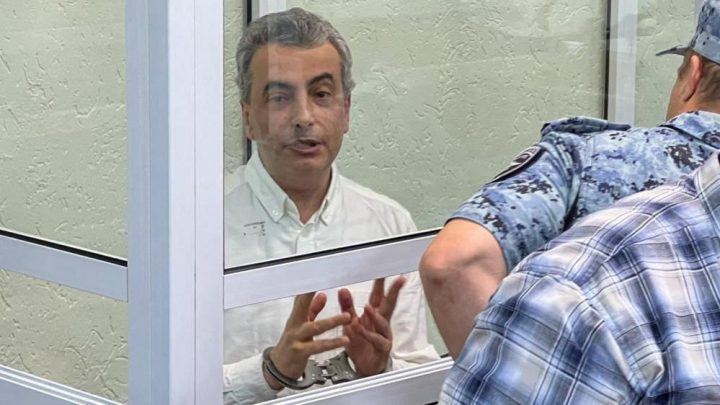
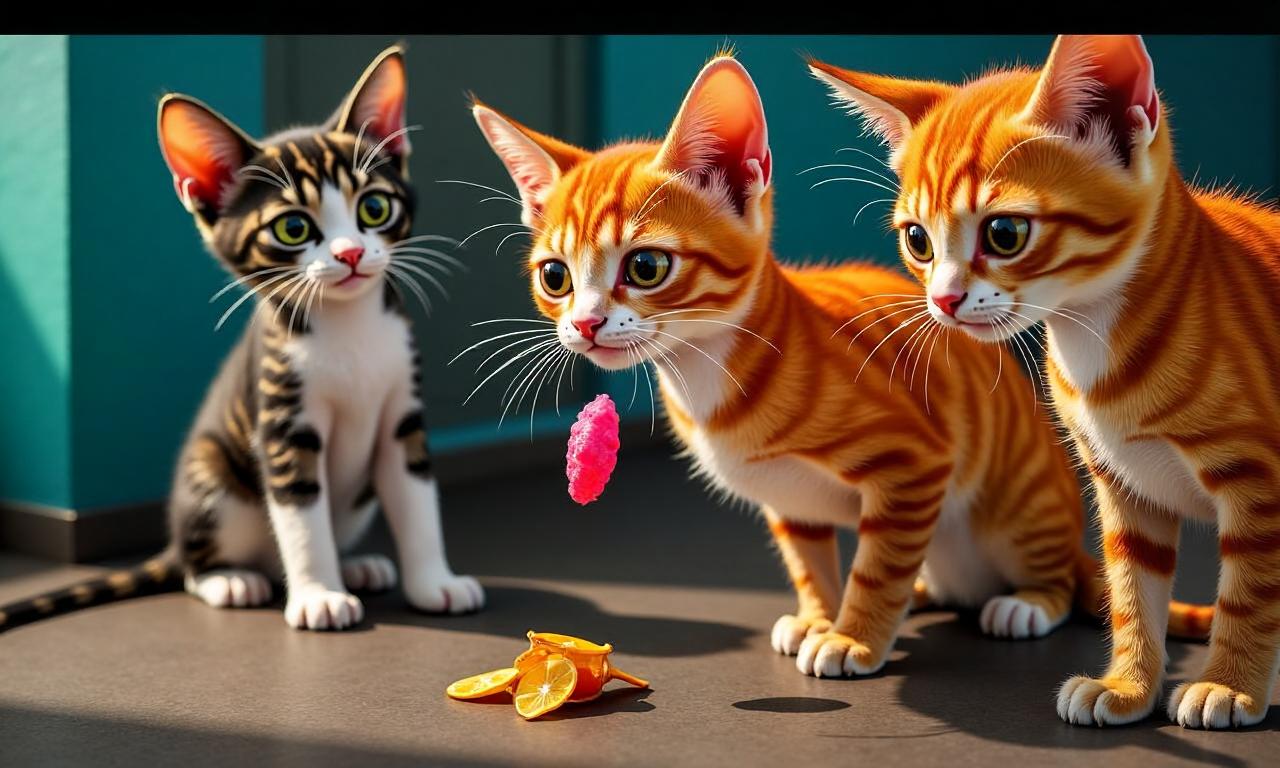
Ninoda.com – In a significant crackdown on animal cruelty, Vietnamese authorities and a local welfare organization have rescued over 400 cats that were stolen for food, marking a pivotal moment in the fight against the illegal cat meat trade. The operation, which unfolded in Tay Ninh Province and Ho Chi Minh City, led to the arrest of nine individuals involved in a network accused of capturing, transporting, and slaughtering felines for consumption. According to reports, the rescued cats were discovered in a refrigerated storage facility, where they had been kept for several days before being sold to markets.
The Operation That Saved Hundreds of Felines
The theft ring, which had been active for three years, was dismantled after a series of unexplained pet disappearances in Ho Chi Minh City prompted authorities to investigate. Police uncovered a systematic process: cats were lured with bait, captured using traps, and then transported to processing sites. The suspects, operating across southern Vietnam, sold the stolen animals to local vendors who processed them for sale in markets. This incident highlights the scale of the problem, as estimates suggest five million dogs and one million cats are annually captured, stolen, or slaughtered for food in the country.
How the Cats Were Stolen and Their Fate
Cats are often targeted through a combination of methods, including spring-loaded snares, poisoned bait, and even physical restraint by thieves. The stolen animals were kept in temporary facilities, where they endured cramped conditions before being prepared for consumption. According to Humane World for Animals, the rescue operation has saved numerous lives, though some cats had already perished due to the harsh treatment. The organization is now providing food and supplies to those still held by authorities, emphasizing the need for sustained efforts to protect rescued animals and prevent future thefts.
The focus keyword “hundreds of cats stolen for food” underscores the urgent need for intervention. While the practice of eating cat and dog meat is legal in Vietnam, it requires permits proving the animals’ origin. However, the scale of the operation suggests that many stolen cats are not officially documented, allowing the trade to flourish. This incident has reignited discussions about the ethical implications of the industry, particularly as public awareness of the suffering endured by these animals grows.
Humane World for Animals reported that the cat meat trade has been a long-standing issue, with pets frequently stolen from homes and streets. The organization’s 2023 survey revealed a notable shift in public perception, as younger generations and pet owners increasingly oppose the practice. Despite this, the demand for cat meat remains strong in certain regions, driven by cultural traditions and the perception of it as a delicacy. The rescue of hundreds of cats stolen for food has sparked calls for stricter regulations and greater enforcement of existing laws.
Authorities continue to investigate the network, urging residents to report any suspicious activity or missing pets. The case has drawn attention to the broader problem of animal exploitation in Vietnam, where both cats and dogs are often victims of this trade. With the focus keyword “hundreds of cats stolen for food” now central to the narrative, the operation serves as a catalyst for reform, inspiring both government action and grassroots efforts to rescue and rehabilitate the animals. As the investigation progresses, the spotlight on this issue is expected to grow, potentially leading to long-term changes in how cats are treated in the country.