‘I want my brother back’ – Tupac’s brother tells BBC murder trial won’t bring justice

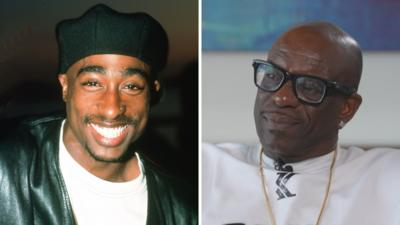
Table of Contents
“I want my brother back” – Tupac’s stepbrother speaks before trial
Ninoda.com – I want my brother back. Those four words, spoken by Mopreme Shakur to BBC correspondent Shaimaa Khalil, capture the raw, unrelenting grief of a family still waiting for a justice that feels perpetually out of reach. With opening statements scheduled for Monday, the murder trial of the man charged with killing rapper Tupac Shakur is drawing near, and the stepbrother of the late hip-hop icon has made clear that no courtroom verdict will fill the void left since 1996.
Three decades after the shooting that ended Tupac’s life at the height of his fame, Mopreme sat down with Khalil in the days before the trial began. The conversation moved through memory, legacy, and the particular ache of watching a legal process unfold for a loss that never stopped hurting. For Mopreme, the trial is not a destination. It is another chapter in a story that began the night his brother was taken.
What the trial means — and what it cannot do
Mopreme was direct in telling Khalil that a guilty verdict, however long awaited, will not restore the sibling he lost. He framed the proceedings not as closure but as a continuation of a grief that has persisted since 1996. The courtroom, in his telling, offers process rather than peace. It asks questions of a defendant; it does not answer the question that has haunted the Shakur family for thirty years.
“I want my brother back.” — Mopreme Shakur, to BBC correspondent Shaimaa Khalil
That single sentence, repeated throughout the interview, functions less as a demand for a specific legal outcome and more as a statement of permanent fact. The brother is gone. The trial will not change that. What it may change, Mopreme suggested, is the family’s ability to say they tried — that they stood in a room and asked the system to account for what happened.
Growing up beside a legend
Beyond the courtroom, Mopreme spoke about the experience of growing up beside one of hip-hop’s most transformative figures. Tupac was not a distant icon in the Shakur household; he was a brother, a presence in the room, a voice on the phone. Mopreme described the weight of carrying that legacy alongside the weight of its absence — two burdens that have traveled together since 1996 and show no sign of separating.
The interview, conducted in the tense days before opening statements, offered a rare window into how a family processes decades of unanswered questions. Mopreme did not ask for sympathy. He asked, plainly, for his brother back — a
Related Reading
Frequently Asked Questions
What is I want my brother back?
I want my brother back is the main topic of this guide. The article explains the context, practical details, and next steps readers should understand.
Why does I want my brother back matter?
I want my brother back matters because readers are looking for a useful answer, not just a short summary. Good content should match search intent and help them decide what to do next.