In Caracas, this feels like the hardest moment in Venezuela’s modern history

In Caracas, this feels like the hardest moment in Venezuela’s modern history
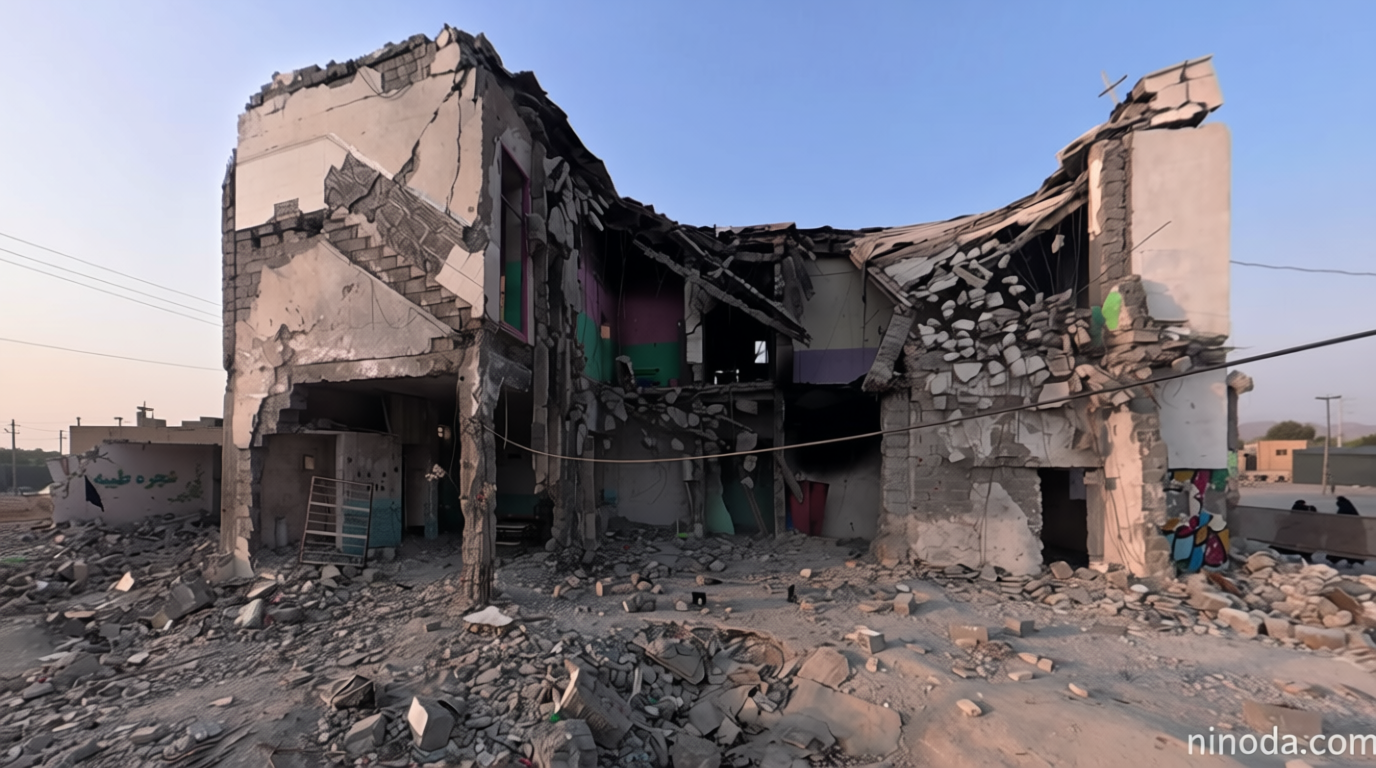
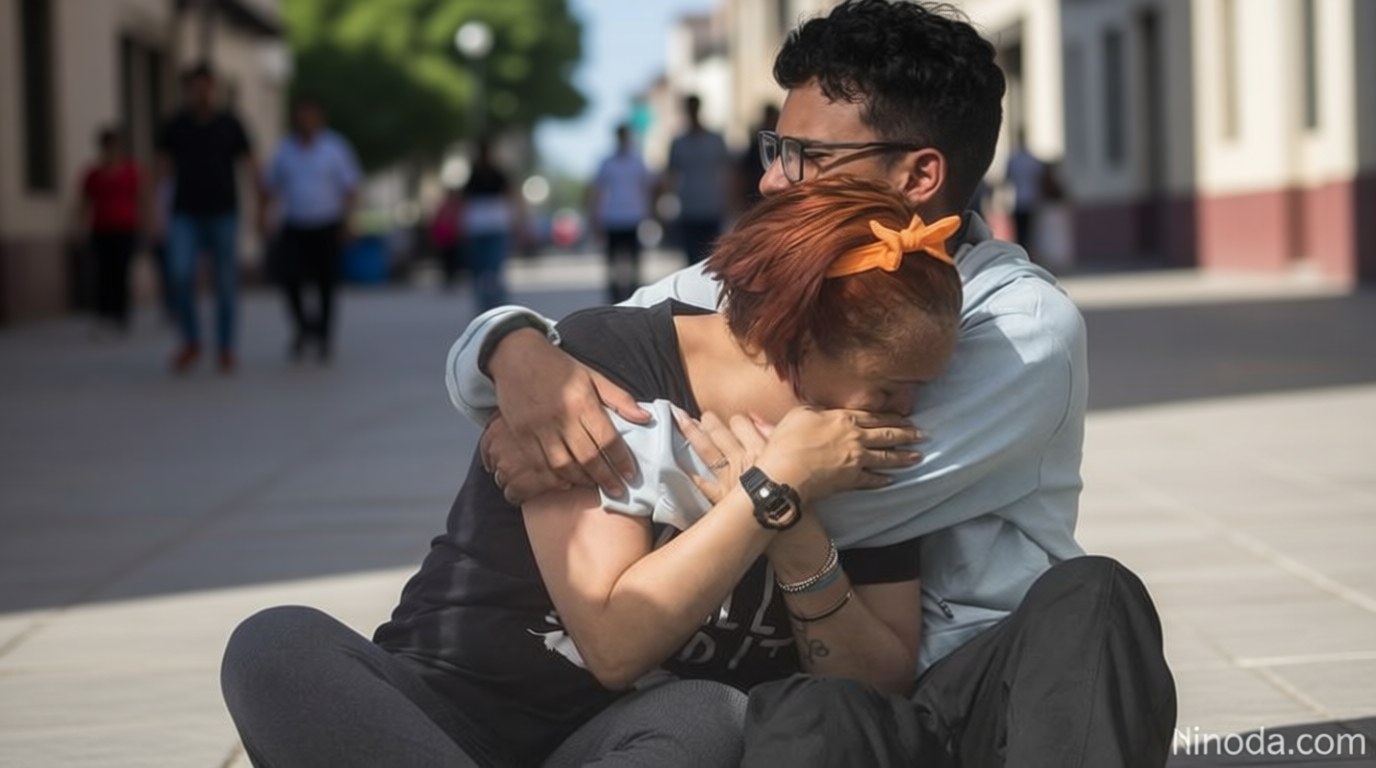
Ninoda.com – Residents in Caracas clung to what little they could salvage from the ruins of their homes, their lives upended by a pair of devastating earthquakes. The city’s streets became makeshift gathering spots as the shockwaves of the disaster echoed through the capital. For those who survived, each morning brought a fresh wave of sorrow, with the hope of recovering missing loved ones fading as days passed.
Jan Carlos Roa Garcia: A Life Upended
Jan Carlos Roa Garcia, a former police officer, and his family spent another night without shelter, their apartment building spared but deemed unsafe to re-enter. “At 50, I feel the weight of uncertainty more than ever. I don’t even know where to start rebuilding,” he said, his voice trembling. “No officials have reached out to us yet.” Despite his frustration, Jan Carlos maintained a respectful tone toward the government, acknowledging his role as a dedicated public servant.
“We’re all pretty frustrated because the government is not showing what it should – a serious display of help,” said musician Zaira Castro, standing in a plaza near two collapsed structures. “It’s actually us, the Venezuelans, who are helping each other. We live in a society that has grown into helping each other. We don’t depend on the government – that doesn’t exist for us anymore.”
Delcy Rodriguez’s Visit: A Test of Resolve
Later that day, interim President Delcy Rodriguez joined local officials in Chacao, where the quake’s impact was most severe. Her presence, however, drew sharp criticism from residents who felt abandoned. “You’re campaigning in the middle of a tragedy! The government isn’t doing anything for the people,” shouted one citizen, reflecting the growing frustration in the community.
A Personal Connection to the Ruins
As a former BBC correspondent in the region, I’ve walked these streets for years. My old neighborhood, Los Palos Grandes, saw the Alheli apartment block standing untouched, its friendly caretaker, Pedro, still chatting with elderly residents on the porch. Yet just metres away, the Petunia building lay in ruins, its rubble a grim reminder of the disaster. A friend’s mother was among those missing, and her social media post brought a wave of relief when I saw the Alheli still intact.
La Guaira: Desperation in the Coastal Town
In the worst-affected areas, particularly La Guaira, the situation was even more dire. Over 100 buildings lay flattened, creating an apocalyptic scene. “There are still people in there, we need machinery,” pleaded Eileen Lada, a local resident. “Help us, please,” she added, her words underscoring the urgency of the moment. Despite the resilience of rescue teams, the passage of 48 critical hours left many questioning if the country had ever faced a greater crisis.
International and local rescuers worked tirelessly through the night, their efforts marked by determination and a touch of Venezuelan warmth. Videos shared online showed workers pulling survivors from the rubble, a testament to their perseverance. Yet, as the search continued, the toll on the healthcare system became evident. Hospitals along the northern coast struggled under the weight of casualties, their resources stretched thin after decades of underfunding. Doctors and nurses, operating in extreme conditions, recounted harrowing tales from the wards.
“It was awful – so many people died, so many family members went missing,” Maria Vargas recalled from her hospital bed, her voice steady despite the trauma. “I lost my house completely, but we’re all right, thank God.”
With the initial rescue window closing, the tragedy now looms as the most severe in Venezuela’s recent history. The country, already grappling with economic and political turmoil, faces a moment that tests its collective spirit and the limits of its institutions. As the dust settles, the echoes of survival and loss remind Venezuelans of their enduring resilience in the face of despair.
International Rescue Teams Arrive
Venezuela earthquakes kill 920 people as international rescue teams arrive. The race to save lives continues, with efforts spanning across borders, yet the road to recovery feels longer than ever in a nation searching for stability amid chaos.