Iran begins public mourning for Ayatollah killed in February

Iran Observes Extended Mourning for Ayatollah Khamenei, Killed in February Strikes
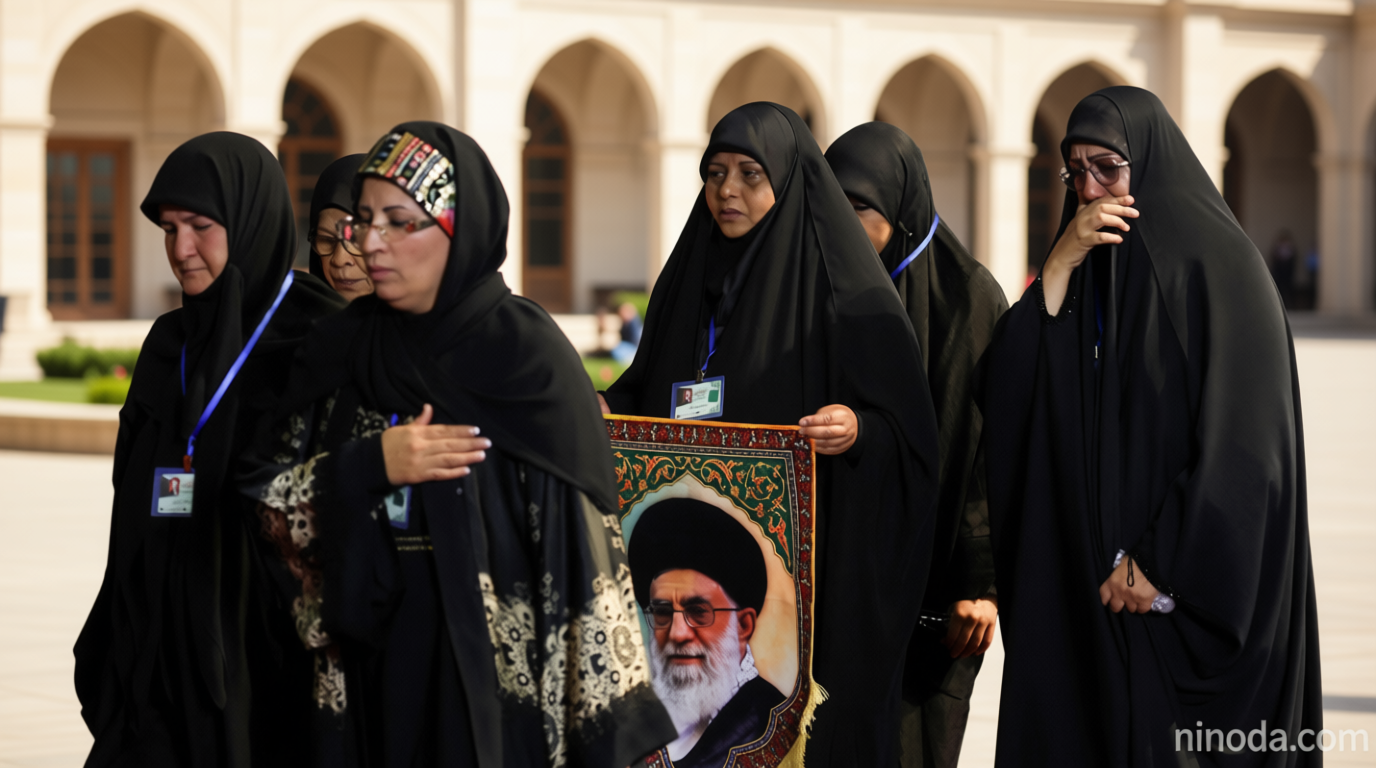
Ninoda.com – Iran has officially begun a prolonged period of public mourning for Ayatollah Ali Khamenei, the nation’s former Supreme Leader, who was killed in a series of US and Israeli strikes in February. The ceremony marks over four months since the leader’s passing, with the country preparing to honor him through a grand display of grief, devotion, and national unity. The event is expected to draw millions of participants, including prominent religious figures, government officials, and ordinary citizens, all converging in Tehran and Mashhad to pay tribute to a man who played a central role in shaping Iran’s political and religious landscape. As the mourning period unfolds, it becomes a significant moment to reflect on Khamenei’s legacy and the deep reverence he commanded across the Islamic Republic.
Event Timeline and Logistics
The funeral processions and ceremonies will commence on Saturday at 06:00, with the body of Ayatollah Khamenei displayed in Tehran’s Grand Mosalla starting Friday. Public offices and private businesses across the capital will remain closed throughout the mourning period, creating a solemn atmosphere for the event. The Mohammad Rasulullah Corps, a key organization in Iran’s funeral traditions, is overseeing the logistics, ensuring that the rituals are carried out with precision and grandeur. To manage the expected crowds, entry times will be staggered, with visitors allowed to enter the Mosalla in 15–20 minute intervals. This strategy aims to prevent overcrowding and maintain order during the tribute.
“The elevated platform for the coffin allows for efficient movement of the crowds and ensures that every citizen can pay their respects,” explained Hassan Hassanzadeh, the commander of the Mohammad Rasulullah Corps. “This is not just a funeral but a symbolic act of unity for the Iranian people.”
Following the display in Tehran, the remains of Khamenei will be transferred to Mashhad, his hometown, where he will be laid to rest. The journey to Mashhad will include a symbolic procession, with the body accompanied by the remains of family members also killed in the February attacks. This gesture reinforces the personal and collective loss experienced by Iran’s leadership and populace. The mourning period will last 40 days, with additional events planned to mark the first anniversary of his burial in Mashhad, ensuring his memory remains central to national identity for the foreseeable future.
Impact of the Ceasefire and National Rituals
The mourning ceremonies follow a fragile ceasefire between Iran and the United States, brokered in June, which has allowed for a temporary reduction in tensions. However, the public mourning for Ayatollah Khamenei serves as a reminder of the geopolitical stakes involved in his death. During the mourning period, traffic restrictions will be implemented in Tehran’s city center, and airspace will be partially closed starting Friday, with full closure on Monday. These measures highlight the priority given to the event, as the country prepares to celebrate its leader’s life and mourn his passing in a highly orchestrated manner.
“The extended mourning period reflects the deep respect and loyalty Iranians hold for their former leader,” noted a statement from the Supreme Leader’s council. “It is a time for the nation to come together and reaffirm its Islamic values and leadership.”
The ceremonies are not only a religious observance but also a political statement. By honoring Khamenei’s memory, Iran aims to solidify its ideological foundations and signal to the international community the enduring strength of its leadership. The event’s scale and duration are designed to create a sense of shared purpose, uniting citizens across the country in a common act of remembrance. This public display of grief is also intended to inspire national pride and reinforce the role of religious and political figures in guiding the nation’s direction.
International Participation and Symbolic Journey
As part of the mourning process, the body of Ayatollah Khamenei will travel to Qom, a city known for its religious significance, before proceeding to Najaf and Karbala in Iraq. This symbolic journey underscores the leader’s influence beyond Iran’s borders, particularly within the Shia Muslim community. The funeral prayers in Qom will be led by a senior Shia cleric, while the ceremonies in Najaf and Karbala will emphasize his connection to the broader Islamic world. International delegations, including leaders from Pakistan and other Gulf states, are expected to attend the events, recognizing the global resonance of Khamenei’s legacy.
“The funeral in Iraq is a testament to the transnational bonds the Ayatollah cultivated,” said Foreign Minister Abbas Araghchi during a visit to Baghdad. “It is an opportunity for the Shia world to honor a leader who played a pivotal role in shaping regional and global Islamic politics.”
The international participation in the mourning period also highlights the diplomatic efforts Iran has made to maintain relations with neighboring countries. Despite recent tensions, the event serves as a bridge to foster collaboration and mutual respect. The inclusion of Iraqi ceremonies, for instance, is seen as a gesture of solidarity with a key regional ally, demonstrating the interconnectedness of Shia religious and political networks. This aspect of the mourning period adds a layer of geopolitical significance, beyond the immediate emotional impact on the Iranian people.
Mojtaba Khamenei and the Uncertainties of Succession
The transition of power following Ayatollah Khamenei’s death has raised questions about the future direction of Iran. His son, Mojtaba Khamenei, has assumed the role of Supreme Leader, yet his public appearances have been sparse since taking office. This absence has fueled speculation about his readiness to lead and the extent of his authority within the Islamic Republic. The mourning period provides a platform for Mojtaba to gradually emerge as the new leader, with his presence at the funeral processions potentially marking a pivotal moment in his acceptance of the role.
“Mojtaba’s participation in the mourning events will be crucial in establishing his legitimacy as the Supreme Leader,” remarked Ali Akbar Pourjamshidian, the secretary of the organizing committee. “The armed forces and the supreme leader’s council will decide whether he will attend, signaling the next phase of leadership in Iran.”
The uncertainty surrounding Mojtaba’s role reflects broader concerns about the continuity of Iran’s governance structure. While Khamenei’s death has united the nation in mourning, it has also prompted discussions about the balance between religious authority and political power. As the mourning period continues, these dynamics will be closely watched, both within Iran and by international observers, for insights into the country’s future policies and leadership.
Commemoration and the Role of Religious Traditions
The commemorative activities are deeply rooted in Shia Islamic traditions, which emphasize mourning as a sacred duty. The 40-day mourning period is a time for reflection, prayer, and community gathering, with the Imam Reza Shrine in Mashhad playing a central role in the final rites. Volunteers are preparing bread and other offerings in designated areas near the Grand Mosalla to support attendees, showcasing the communal spirit of the event. The scale of the mourning period, with up to 20 million people anticipated to participate, reflects the depth of Khamenei’s influence and the collective grief of a nation that viewed him as a guiding figure.
“The mourning process is not just about remembering the Ayatollah; it is about reaffirming the values he stood for,” said a statement from Iran’s religious authorities. “Every step of the ceremony is a reminder of the