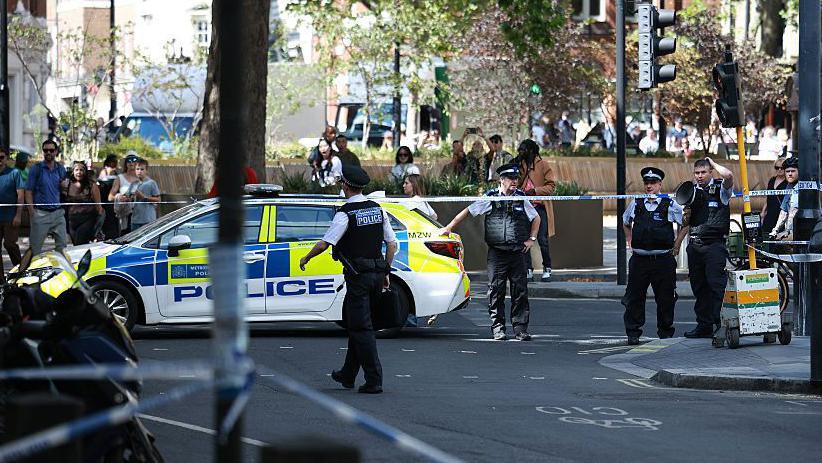
Israeli military says Hezbollah targets struck in Beirut

Israeli military says Hezbollah targets struck in Beirut
Targeted Airstrike in Beirut Amid US-Iran Peace Deal Tensions
Ninoda.com – The Israeli military confirmed that Hezbollah targets were struck during an airstrike in the southern outskirts of Beirut, marking a significant escalation in the ongoing conflict between Israel and the Iran-backed group. This operation, conducted in response to recent aerial attacks launched by Hezbollah toward northern Israel, was described by Israeli officials as a critical defensive measure. The move has sparked renewed debates about the impact of the proposed US-Iran peace deal, which aims to ease tensions between the two nations. By targeting Hezbollah infrastructure, Israel seeks to undermine the group’s capacity to threaten its security while maintaining its strategic foothold in the region.
“The Israeli military’s action is a direct response to the growing threat posed by Hezbollah, particularly in light of the US-Iran agreement. By neutralizing key targets, we are safeguarding our people and advancing our national interests,”
stated an Israeli defense spokesperson during a briefing following the strike.
Immediate Impact and Casualty Reports
According to Lebanese state media, the attack resulted in at least three fatalities and 15 injuries, with the casualties primarily concentrated in residential areas near the targeted command center. The Israeli military emphasized that the strike was precise, aiming to minimize civilian harm while targeting Hezbollah’s operational capabilities. This event has intensified concerns among political analysts that the peace deal could face setbacks, as the conflict between Israel and Hezbollah continues to evolve. The operation underscores the delicate balance between military retaliation and diplomatic efforts to stabilize the region.
The destruction of the Hezbollah command center is believed to have disrupted the group’s coordination in the southern Lebanon region, potentially weakening its ability to launch coordinated attacks. Israeli officials highlighted that the strike followed a pattern of escalating violence, with Hezbollah having previously targeted Israeli positions in the area. This sequence of events has led to accusations that the peace deal may not be enough to address the underlying tensions, especially if Hezbollah remains active in its military campaigns.
Geopolitical Implications and Strategic Objectives
Since March, when Hezbollah retaliated against an Israeli airstrike by launching rockets into northern Israel, the military campaign has intensified. The recent strike in Beirut is part of a broader strategy to diminish Hezbollah’s influence and ensure the safety of Israeli communities. Israeli leaders argue that the group’s persistent attacks threaten both regional stability and the country’s security interests. The operation also reflects the Israeli military’s focus on preemptive strikes, a tactic that has become increasingly common in the face of prolonged hostilities.
Analysts suggest that the strike serves as a demonstration of Israel’s resolve to protect its citizens, even as it navigates the complexities of the US-Iran agreement. The Israeli military says Hezbollah targets in Beirut were chosen to disrupt the group’s ability to coordinate attacks, which has been a major concern for Israeli authorities. This action has been met with mixed reactions, with some Lebanese officials condemning the attack while others acknowledge its necessity in light of Hezbollah’s aggressive posture.
Iran’s Response and Regional Dynamics
Iran has expressed strong disapproval of the Israeli airstrike, with its chief negotiator, Mohammad Bagher Ghalibaf, accusing the US of failing to uphold its commitments in the peace deal. The Iranian government is expected to retaliate against the attack, which could further strain its relationship with Israel and its allies. Meanwhile, the Lebanese government has sought to mediate the situation, aiming to reduce the influence of Iran and Hezbollah in its domestic affairs. This effort to distance from Iran’s military ambitions highlights the country’s role as a key player in the broader geopolitical landscape.
Despite the tension, some diplomatic channels remain open. The US has reiterated its support for the peace deal, emphasizing that it is designed to prevent further escalation. However, the Israeli military says Hezbollah targets in Beirut have added a new layer of complexity to the negotiations, as the conflict continues to test the resolve of all parties involved. The strike has also raised questions about the effectiveness of the agreement in addressing the root causes of the conflict, particularly Hezbollah’s role as a proxy for Iran.
Historical Context and Ongoing Challenges
The conflict between Israel and Hezbollah has deep historical roots, dating back to Hezbollah’s formation in the 1980s as a militia group aligned with Iran. The group’s actions have often been tied to Iran’s broader strategic goals, including countering Israeli influence in the region and advancing its own military objectives. The recent airstrike in Beirut follows a series of attacks that have kept the conflict simmering despite efforts to achieve a ceasefire. The Israeli military says Hezbollah targets in the area have been a focal point of the ongoing military campaign, reflecting the group’s continued threat to Israel’s security.
While the US-Iran deal aims to reduce nuclear ambitions and ease regional tensions, it has not yet resolved the immediate military confrontations. The strike in Beirut has prompted discussions about the need for additional measures to ensure security, even as diplomats work to finalize the agreement. The Israeli military says Hezbollah targets remain a key concern, as the group continues to operate with Iranian backing. This dynamic has created a challenging environment for both sides, with the potential for further escalation if the peace deal fails to address the underlying security issues.
“The Israeli military’s targeting of Hezbollah infrastructure is a clear indication of its commitment to security, even as it seeks to align with the US-Iran agreement. This dual approach highlights the complexity of the situation, where military action and diplomatic engagement must coexist to achieve stability,”
noted a regional analyst in a recent report.