More than 40 kidnapped children and teachers freed after Nigerian army operation

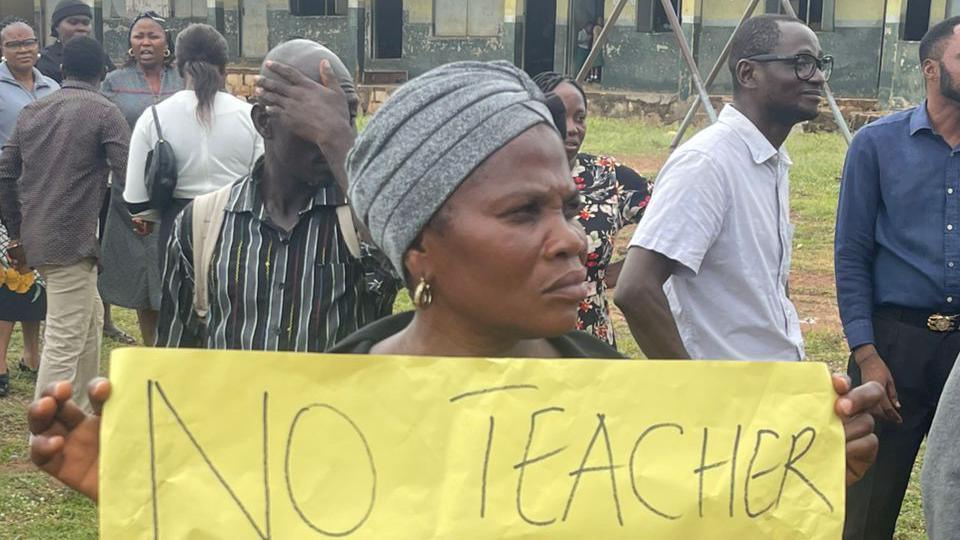
Table of Contents
More than 40 Kidnapped Children Freed by Nigerian Army Operation
Ninoda.com – Over 40 kidnapped children and teachers were recently released following a successful operation by the Nigerian army. The military confirmed the liberation of 44 students and educators who had been held hostage for two months in the Oyo state region. This development has brought a sense of relief to the families of the victims, though some remain anxious about the full recovery of their loved ones. The focus keyword “More than 40 kidnapped children” underscores the scale of this incident, which has sparked renewed discussions about safety in educational institutions across Nigeria.
Operation Details and Military Response
The rescue mission, launched in response to the May 15 abduction in the Osiire district, involved a coordinated effort between the Nigerian military, police, intelligence agencies, and local vigilante groups. According to official statements, the operation targeted a network of kidnappers operating in the Old Oyo National Park forest, a remote area previously linked to several abductions. The military reported that several soldiers were injured during the operation, but the exact number of casualties has not been officially disclosed. The freed individuals, including teachers and students, are currently receiving medical attention at a undisclosed hospital, raising questions about the conditions they endured during captivity.
“It was a harrowing experience… but we thank God that it ended well,” said Prof Wole Alamu, whose wife, Rachael Folawe Alamu, is the headteacher at Community Grammar School. He described how the family endured the emotional toll of watching videos featuring her and other teachers being held hostage, highlighting the psychological impact on the victims and their families.
Government and Union Reactions
Teachers’ union leader Hassan Ajibola expressed mixed emotions, acknowledging the joy of the freed captives while emphasizing the need for more robust security measures. He referenced the Safe School Initiative, launched over a decade ago after the Chibok schoolgirls’ abduction, and called for its recommendations to be fully implemented. These include deploying armed personnel to schools, installing CCTV cameras, and constructing secure fencing around campus areas. Ajibola also highlighted the importance of local security groups in supplementing national efforts, particularly in regions where resources are limited.
“We are happy that they are out and we are grateful to everybody who contributed to the release,” Prof Alamu added. His statement reflects the gratitude of many families, but also the lingering fear of future attacks. The union leader stressed that the success of this operation should not be seen as the end of the crisis, but rather as a critical step in addressing the broader issue of school kidnappings in Nigeria.
Broader Implications and Future Challenges
While the rescue of More than 40 kidnapped children marks a significant victory, it also reveals ongoing vulnerabilities in Nigeria’s education system. The incident took place in the Christian south-west, a region less frequently targeted than the Muslim north, which has seen a higher number of school kidnappings. This raises concerns about the uneven distribution of security efforts and the need for a nationwide strategy to protect schools. Critics argue that the government’s current measures, though commendable, have not fully resolved the threat, leaving communities in a state of heightened alert.
Experts suggest that the successful operation was due to intelligence gathering and strategic planning, which helped pinpoint the location of the captives. However, the exact timeline of the military’s actions and the number of suspects arrested remain unclear. The dismantling of the kidnappers’ support network, including informants and hideouts, is seen as a key factor in ensuring the safety of the freed individuals. Despite this progress, the families of those still missing continue to demand transparency and accountability from the authorities.
Analysts note that the recovery of More than 40 kidnapped children has reignited public hope in the Nigerian military’s ability to combat such threats. Yet, the incident also serves as a reminder of the complex challenges facing the country. School kidnappings have long been a symbol of insecurity in Nigeria, and while this operation has provided temporary relief, the underlying issues of poverty, political instability, and regional conflict remain. The military’s collaboration with local groups has proven effective, but sustaining this effort requires continued investment and public support.
As the situation unfolds, there is growing pressure on the government to address the funding and effectiveness of the Safe School Initiative. The initiative, which was launched in 2013, aimed to prevent similar abductions by improving security infrastructure in schools. However, its progress has been inconsistent, with some regions seeing marked improvements while others remain at risk. The release of More than 40 kidnapped children has reignited calls for the initiative to be re-evaluated and expanded to cover all vulnerable areas.
Additional reporting by Natasha Booty and Abayomi Adisa. Follow BBC Africa on Twitter @BBCAfrica, Facebook BBC Africa, or Instagram @bbcafrica. Focus on Africa | This Is Africa