No deal announced after Trump meeting to make ‘final determination’ on Iran

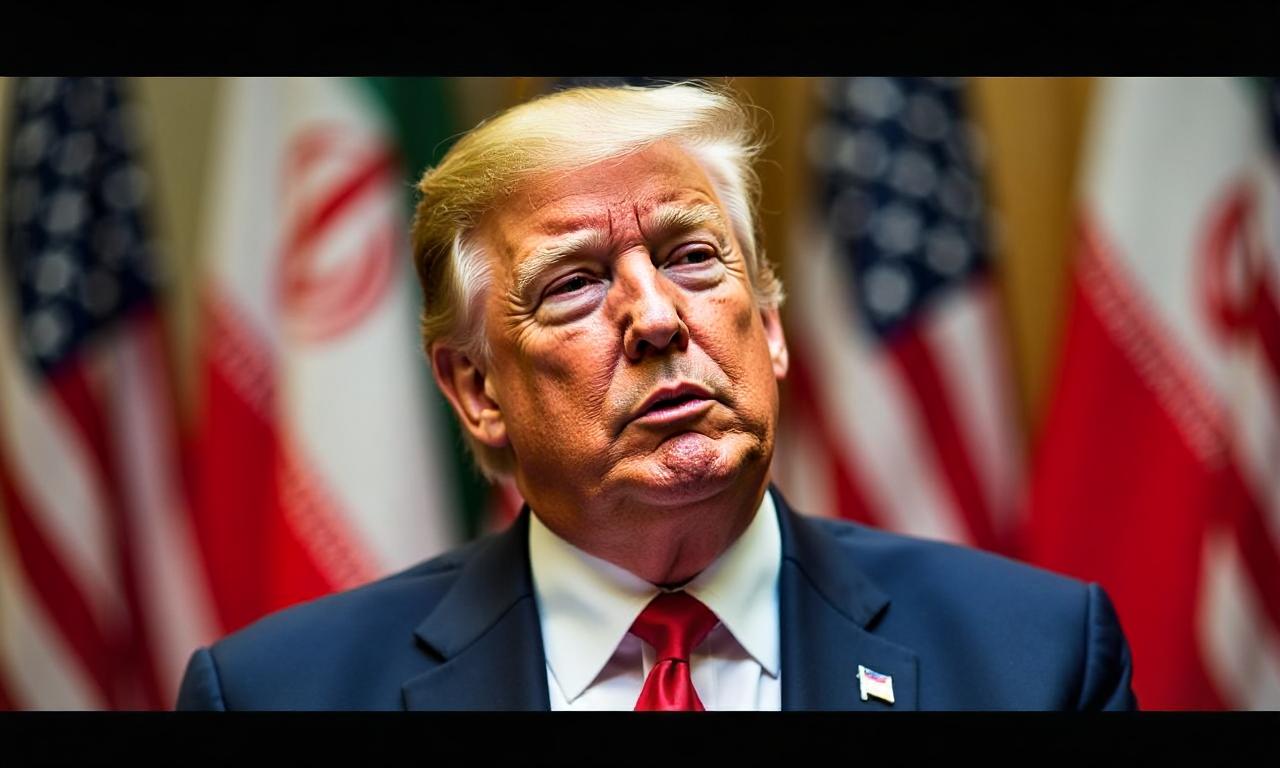
No Deal Announced After Trump Meeting on Iran Ceasefire
Ninoda.com – On Friday, US President Donald Trump convened a session with senior advisors in the White House Situation Room, a space typically reserved for managing critical national emergencies. The gathering aimed to finalize a plan for prolonging the ceasefire with Iran, but no clear resolution emerged. Officials involved in the meeting confirmed that the discussion concluded without definitive guidance on subsequent actions, leaving the path forward uncertain.
Framework for Ceasefire Under Review
Earlier in the week, the United States and Iran had reached an agreement on a provisional deal—referred to as a memorandum of understanding—pending final approval from both sides. According to US officials, this framework would extend the ceasefire for 60 days and initiate dialogues about the future of Iran’s nuclear program. However, the meeting in the Situation Room marked the latest stage in a process that has yet to yield concrete outcomes.
“President Trump will only make a deal that is good for America and satisfies his redlines. Iran can never possess a nuclear weapon,” stated a White House official to CBS News, the BBC’s US news partner.
During the meeting, Trump outlined specific conditions for the ceasefire, emphasizing Iran’s commitment to abandoning nuclear capabilities. He called for the Strait of Hormuz to be opened for unrestricted maritime traffic in both directions, with all mines in the waterway eliminated. These demands reflect the administration’s focus on securing strategic control over critical shipping routes.
Despite Trump’s public assertions of progress, Iran has maintained its stance, rejecting negotiations on the nuclear program. Foreign ministry spokesperson Esmaeil Baqaei reiterated this position during a state television appearance, stating that the country is dedicated to ending the conflict but has not agreed to discussions about its nuclear ambitions. This divergence in priorities underscores the challenges in bridging the gap between the two nations.
Trust Issues and Strategic Calculations
Iran’s chief negotiator, Mohammad Baqer Qalibaf, expressed skepticism about Trump’s latest proposals. In a social media post, he noted that the US had not yet fulfilled its obligations, emphasizing that Iran would only commit to actions if the other side demonstrated similar resolve. “The winner of any agreement is the one who is better prepared for war the day after,” he wrote, highlighting the mutual suspicion that continues to shape their interactions.
Meanwhile, US Vice-President JD Vance provided updates on the negotiations, describing them as progressing but still in the early stages. He mentioned ongoing debates over language specifics, particularly the term “enrichment,” which Iran views as central to its nuclear program. “We’re not there yet, but we’re very close and we’re going to keep on working at it,” Vance said, signaling optimism despite the lack of resolution.
Historical Context and Recent Escalations
The current standoff follows a series of military strikes launched by the US and Israel on 28 February. Iran retaliated by targeting Israeli and US-aligned facilities in the Gulf, effectively closing the Strait of Hormuz. This move disrupted global oil supply chains, causing prices to spike. The situation has since seen accusations of ceasefire violations from both parties, complicating diplomatic efforts.
Iran’s Islamic Revolutionary Guard Corps (IRGC) claimed responsibility for an attack on a US air base in Kuwait, which they described as the origin of earlier strikes on Bandar Abbas, a vital Iranian port near the strait. The US Central Command labeled this strike as a severe breach of the ceasefire agreement, intensifying tensions between the two nations.
Iran’s Nuclear Ambitions and US Demands
At the heart of the negotiations lies the issue of Iran’s nuclear program. The US has consistently pressured Iran to halt the production of highly enriched uranium, which could be used to develop nuclear weapons. Iran, however, insists its program is solely for peaceful purposes and denies any intent to acquire nuclear capabilities. This contradiction remains a sticking point in their talks, with neither side willing to compromise fully.
During the meeting, Trump reiterated his position on the Strait of Hormuz, stating he was prepared to lift the US blockade and allow vessels to “start the process of heading home.” He also emphasized the need for Iran to permit the removal and destruction of its enriched uranium stockpile. “No money will be exchanged, until further notice,” he added, suggesting that economic concessions are secondary to strategic objectives.
Progress and Setbacks in Diplomatic Efforts
Since the ceasefire agreement took effect on 8 April, Trump has frequently hinted at nearing a deal, claiming negotiations are advancing. Yet, the absence of tangible results suggests that the process remains stalled. While some minor agreements have been reached, they have not addressed the core issues of nuclear development and control over the strait.
Iran’s Fars news agency criticized Trump’s statements as a “mixture of truth and lies,” noting that the memorandum of understanding does not include provisions for destroying nuclear materials. This discrepancy between rhetoric and the actual terms of the agreement has fueled doubts about the sincerity of US commitments.
Implications for Global Stability
The unresolved status of the ceasefire raises concerns about the potential for renewed hostilities. The Strait of Hormuz, a key artery for global oil transport, has been a focal point of US-Iran tensions. Its closure during recent clashes has had immediate economic repercussions, underscoring the strategic importance of the region.
With the US and Iran locked in a cycle of accusations, the situation highlights the fragility of diplomatic progress. While the memorandum of understanding represents a step forward, its implementation hinges on mutual trust and the willingness of both sides to adhere to agreed terms. Trump’s meeting in the Situation Room has yet to provide the clarity needed to resolve these complexities.
The ongoing dialogue between the two nations reflects a broader geopolitical struggle. As the ceasefire nears its 60-day extension, the focus remains on ensuring Iran’s compliance with US demands. The next phase of negotiations will likely determine whether this fragile truce can withstand the pressures of international politics and military posturing.