No fuel for sale as Ukraine’s blockade of Russian-occupied Crimea takes effect

Ukraine Blocks Fuel Sales in Crimea, Escalating Crisis
The Immediate Impact of the Blockade
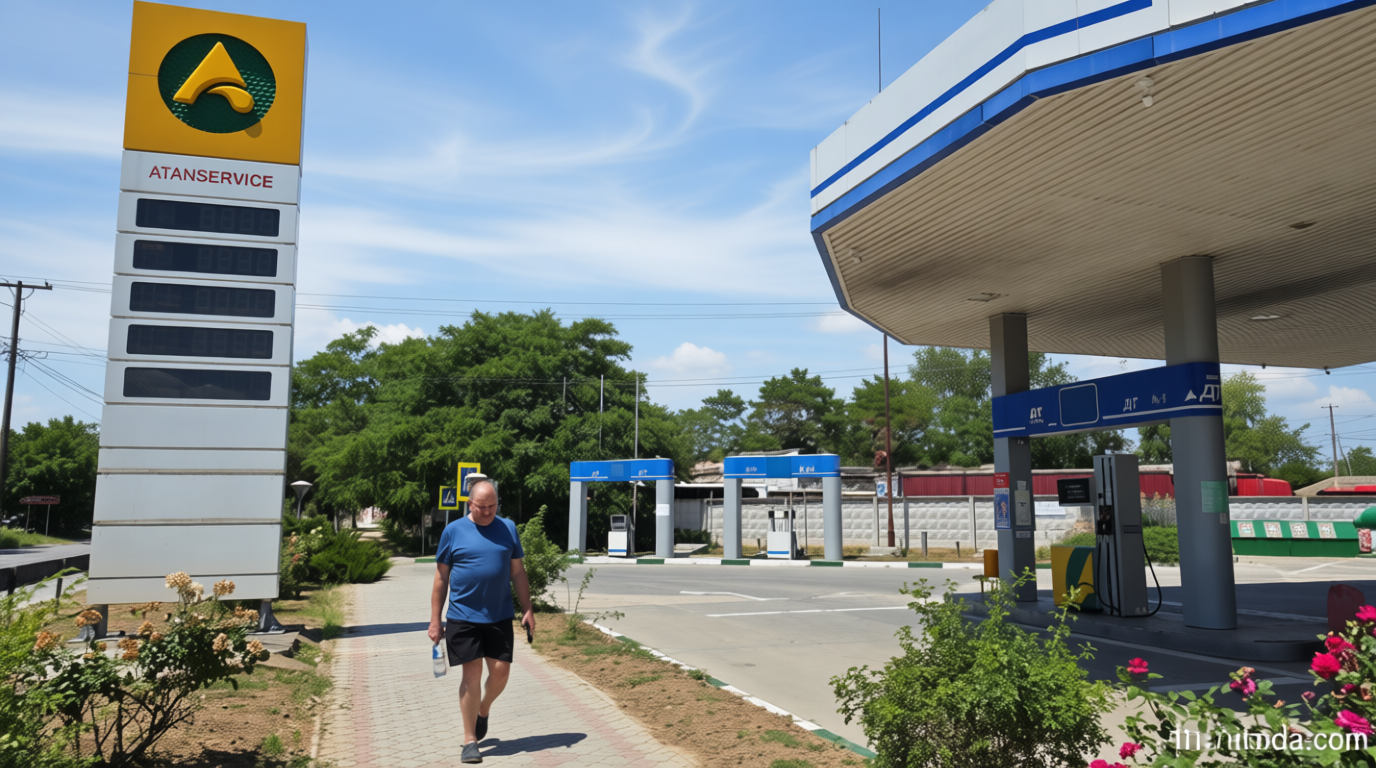
Ninoda.com – As of this week, the Ukrainian blockade of Russian-occupied Crimea has disrupted fuel availability, creating a dire situation for civilians. The focus keyword, “No fuel for sale as Ukraine,” highlights the abrupt shift in access to essential resources. With petrol stations still holding fuel but refusing to sell it, residents are scrambling to cope. One local citizen described the frustration, noting that even though fuel arrived during the night, it was no longer accessible by day. This has forced many to rely on bicycles and other non-motorized transport, underscoring the urgency of the crisis.
“There’s petrol at the filling station, but they’re not selling it,” a resident lamented. “It was delivered during the night, and during the day they were supposed to start selling it as usual, but after Aksyonov’s decree, everything shut down.”
Power outages and dwindling fuel supplies have compounded daily challenges, with some residents reporting that even backup generators are powerless. Public transport and cafes have been restricted to daylight hours, and streetlights have been turned off at night, creating a stark disruption in routine. These measures reflect a broader effort to isolate Crimea and cut off its access to critical supplies, leaving civilians to navigate a rapidly deteriorating environment.
Strategic Measures and Fuel Distribution Shifts
Ukraine’s strategy to isolate Crimea includes targeting oil refineries across Russia, including Moscow. This has shifted fuel priorities to government operations, leaving the public with limited access. The blockade has intensified, with Kyiv focusing on key bridges linking the peninsula to occupied Ukraine. These bridges, such as the Chonhar road and rail bridges, have been hit repeatedly, forcing Russia to install temporary pontoon bridges and creating logistical bottlenecks.
Before the sales ban, fuel prices in Sevastopol had already risen sharply. Residents noted a 50% increase compared to the average Russian petrol rate, prompting panic-buying. Some shops reported empty shelves, with a woman finding no sugar in her local stores. The scarcity of fuel has raised concerns about the long-term viability of daily life, as people fear the disruption may persist for weeks or even months.
“It’s unclear how long this will last, and as for getting to work, I honestly have no idea what I’m going to do,” a man told the BBC. His comment reflects the growing anxiety among Crimeans as they brace for extended fuel shortages.
Logistical Challenges and Escalated Strikes
As part of its “logistics lockdown,” Ukraine has targeted supply lines to hinder Russian military operations. This effort includes striking the Crimean bridge, which previously served as a vital fuel route. The disruption of the M14 highway, a key corridor after the 2022 bridge strike, has been a central objective. Kyiv has employed “middle-strike” drones to reach up to 200km from the front line, targeting critical infrastructure.
The blockade’s impact extends beyond fuel. Aksyonov’s decision to close children’s summer camps has added to the strain, with trains carrying kids to the Artek camp halted mid-journey. This has left some passengers stranded with abandoned food and snacks on the tracks. The cumulative effect of these measures highlights Ukraine’s determination to cut off Crimea’s access to both resources and services, intensifying the humanitarian crisis.
Residents in Sevastopol, the region’s largest city, have become particularly affected. One man described the difficulty of purchasing a backup generator only to find it powerless due to the fuel shortage. These accounts illustrate the broader implications of Ukraine’s actions, as civilians face unprecedented challenges in maintaining basic functions. The situation has also prompted calls for international support, with some urging aid to ensure continued access to necessities.