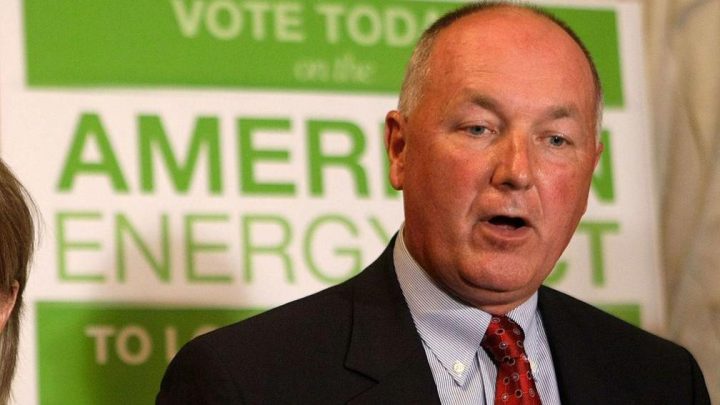
Patel to be replaced by Tugendhat as shadow foreign secretary

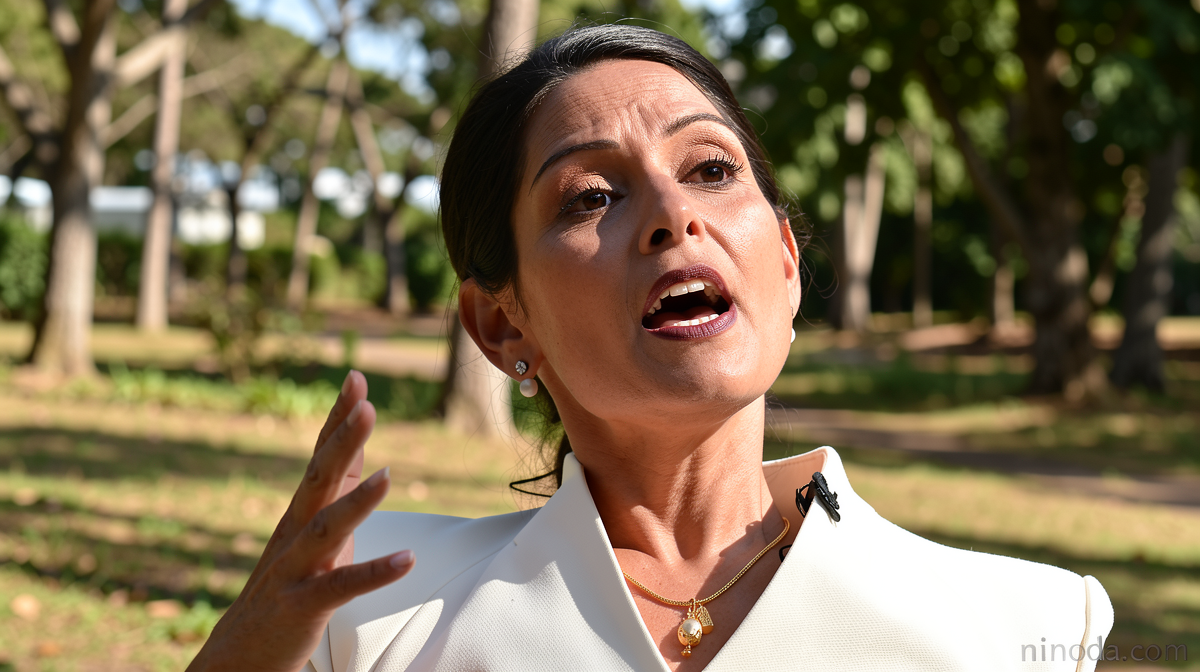
Table of Contents
Conservative Shadow Cabinet Set for Major Overhaul as Tugendhat Returns to Front Bench
Ninoda.com – The opposition’s leadership team is about to undergo one of its most consequential reconfigurations since Kemi Badenoch took the helm of the Conservative Party. Tom Tugendhat, who placed fourth in the 2024 leadership contest, is set to assume the role of shadow foreign secretary, displacing Dame Priti Patel from the post. The change will take effect when Badenoch executes a broader reshuffle of her front bench in the coming weeks.
The announcement lands amid a cascade of departures and transitions already reshaping the opposition’s parliamentary lineup. Just days earlier, Sir James Cleverly stepped down as shadow housing secretary to devote his full attention to building a campaign for the London mayoral race scheduled for May 2028. With Cleverly’s exit and the anticipated maternity leave of shadow energy secretary Claire Coutinho, Badenoch faces the task of filling multiple senior vacancies simultaneously.
Tugendhat’s Path Back to Senior Opposition Roles
For Tugendhat, the appointment marks a return to the front bench for the first time since his leadership bid concluded. His political career has been shaped by both military service and sustained engagement with international affairs. A former British Army reserve officer and Territorial Army veteran, he brought operational experience to Westminster before turning his attention to foreign policy in a sustained capacity.
His most prominent government posts came as minister responsible for security under both Boris Johnson and Liz Truss, roles that placed him at the centre of defence and intelligence oversight during a period of heightened global instability. Before entering cabinet, he spent five years chairing the Foreign Affairs Select Committee, a position that gave him deep institutional knowledge of diplomatic and defence policy across successive governments.
His long-standing vocalness on international security matters — from NATO commitments to Indo-Pacific strategy — makes him a natural fit for the foreign secretary portfolio, even in opposition. Critics of the previous shadow team had argued the role lacked the gravitas demanded by a post-Brexit foreign policy landscape, and Tugendhat’s appointment is widely read as an attempt to restore that credibility.
Patel’s Departure and New Diplomatic Focus
Dame Priti Patel, who finished sixth in the leadership election before being elevated to Badenoch’s shadow cabinet, confirmed her departure from the front bench in a statement posted on X. She framed the move not as a retreat but as a pivot toward international party diplomacy.
“It has been an honour to lead the Party’s foreign affairs team in Parliament over the last two years. I’m pleased to continue supporting Kemi and the Conservative Party in a new role strengthening our relationships with fellow conservatives and centre right parties around the world.”
Patel will retain her seat as MP for Witham in Essex. Her new mandate, centred on deepening ties with sister parties and centre-right movements globally, echoes the work of organisations such as the International Democrat Union and the European Conservatives and Reformists. For a party seeking to rebuild its international network after years of inward-looking politics, the role carries genuine strategic weight.
Her prior government experience — including a three-year tenure as home secretary under Johnson — means she departs the front bench with considerable institutional capital, both domestically and abroad. Observers note that the home secretary portfolio, with its links to intelligence services and allied security agencies, gave her a platform that the new diplomatic-facing role will build upon rather than discard.
Cleverly’s Exit and the London Mayoral Question
Sir James Cleverly’s resignation as shadow housing secretary was driven by his desire to organise a London mayoral campaign without the competing demands of a front-bench brief. He has also resigned as MP for Braintree, clearing his schedule for full-time campaigning. However, he has not yet been formally selected as the Conservative candidate for the May 2028 contest, meaning the party’s selection machinery still has work to complete before his candidacy becomes official.
His departure leaves Badenoch with an immediate vacancy in the housing portfolio, a brief that has attracted scrutiny given the Conservative Party’s ongoing difficulties on housing supply and affordability. The choice of successor will signal whether the leader prioritises parliamentary experience or a more combative, media-facing profile.
Broader Reshuffle Dynamics: Coutinho, Stride, and the Chancellor Question
The reshuffle was already anticipated because of Coutinho’s impending maternity leave, which will remove the shadow energy secretary from the front bench for an extended period. Within the party, Coutinho is widely regarded as a future shadow chancellor — a view bolstered by what colleagues describe as consistently strong parliamentary questioning and media performances. Yet Badenoch is unlikely to promote her to the Treasury brief while she is absent from Westminster, leaving the question of who covers energy duties during the leave unresolved.
Speculation has also swirled around Sir Mel Stride, the current shadow chancellor. In recent weeks, party insiders have attempted to dampen talk of his replacement, yet some sources still believe Badenoch retains the option of swapping him out. The tension reflects a broader leadership dilemma: Stride brings economic credibility and a record of Treasury-adjacent work, but Badenoch may wish to install a figure more aligned with her own policy instincts on taxation and public spending.
The cumulative effect of these changes — Tugendhat’s elevation, Patel’s lateral move, Cleverly’s exit, Coutinho’s leave, and the unresolved Stride question — positions the next month as a defining period for the shape of the Conservative opposition heading into the run-up to the next general election. How Badenoch balances continuity with renewal, and experience with ideological alignment, will set the tone for years of opposition work.
Related Reading
Frequently Asked Questions
What is Patel to be replaced by Tugendhat?
Patel to be replaced by Tugendhat is the main topic of this guide. The article explains the context, practical details, and next steps readers should understand.
Why does Patel to be replaced by Tugendhat matter?
Patel to be replaced by Tugendhat matters because readers are looking for a useful answer, not just a short summary. Good content should match search intent and help them decide what to do next.