People in 50s urged to complete bowel cancer screening

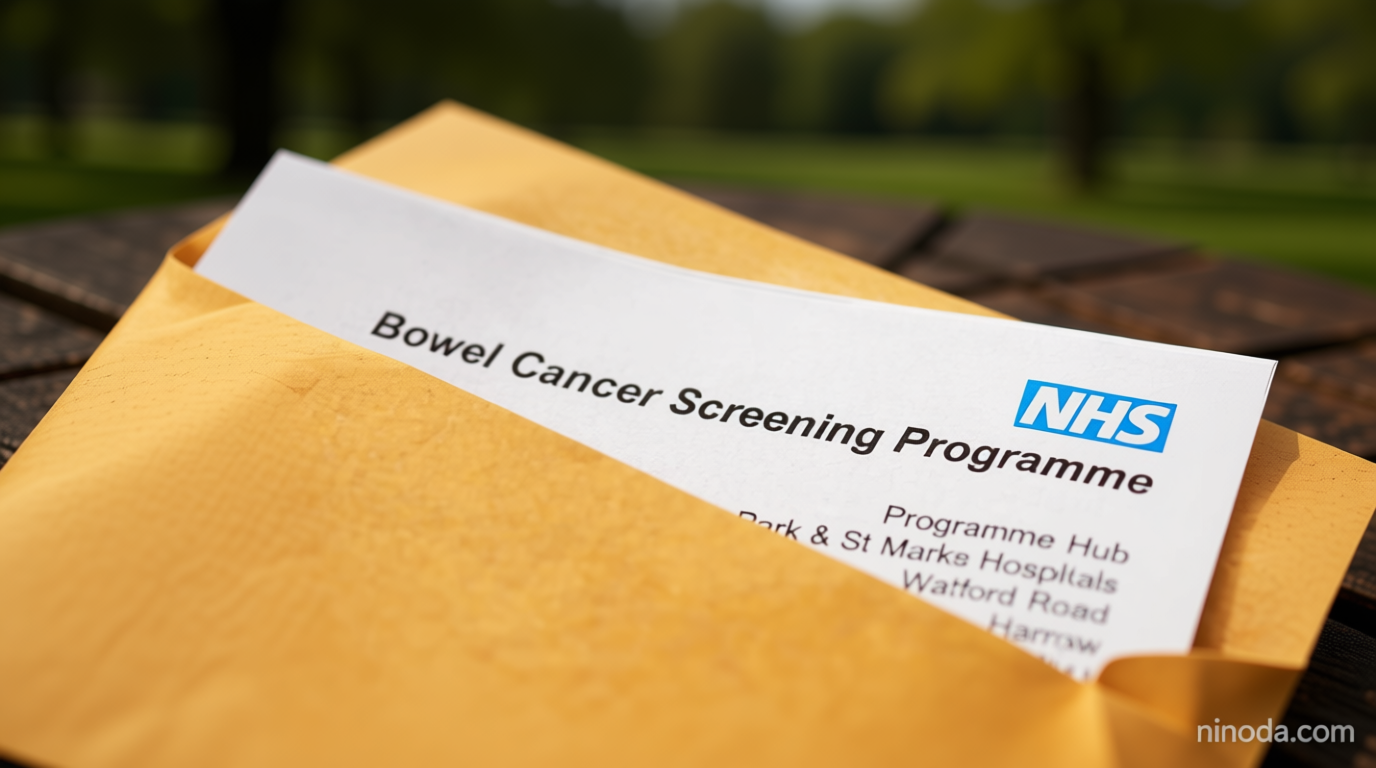
People in 50s Urged to Complete Bowel Cancer Screening
Ninoda.com – The National Health Service (NHS) has launched a targeted initiative to encourage individuals in their 50s to complete bowel cancer screening, addressing a growing concern about lower participation rates in this age group. Recent data from NHS England reveals that only 55% of 54-year-olds participated in the at-home faecal immunochemical test (Fit) last year, compared to 74% among those aged 70 to 74. This disparity highlights the need for increased awareness and engagement to ensure early detection and better health outcomes for middle-aged adults.
Why Bowel Cancer Screening Matters for People in Their 50s
Bowel cancer is one of the leading causes of cancer-related deaths in the UK, yet early detection significantly improves survival rates. The Fit test, a simple and non-invasive method, allows individuals to collect a small stool sample at home to check for traces of blood—a critical early sign of the disease. Health officials stress that completing the test can lead to timely diagnosis and treatment, which is essential for improving prognosis. However, many people in their 50s are hesitant or unaware of the importance of this screening, creating a gap in prevention efforts.
Currently, free home testing kits are distributed to residents aged 50 to 74 in England, Wales, and Scotland every two years. In Northern Ireland, the program extends to those aged 60 to 74, with plans to expand to younger age groups in the near future. These kits are designed to be user-friendly, with clear instructions to help participants complete the test with minimal effort. Despite this, the participation rate among 50- to 60-year-olds remains lower than expected, prompting calls for more proactive outreach and education.
Expert Insights on the Importance of Early Screening
Prof Peter Johnson, NHS national clinical director for cancer, has emphasized the critical role of bowel cancer screening in saving lives. “Bowel cancer can progress silently, often without noticeable symptoms, but early intervention can make a significant difference,” he stated. Johnson also urged individuals to prioritize the test, noting that delays in participation can lead to more advanced stages of the disease. The NHS estimates that approximately 100 cases are identified weekly through its screening initiatives during the 12-month period from April 2024 to March 2025, underscoring the program’s effectiveness when properly utilized.
Experts warn that the underrepresentation of people in their 50s in screening programs may contribute to higher mortality rates in this demographic. “People have busy lives, but the Fit test is a simple measure that can detect cancer at its earliest and most treatable stage,” said Johnson. He added that the program’s success depends on consistent participation, particularly among those who might overlook the importance of testing due to a lack of symptoms or perceived inconvenience.
Real Stories Highlight the Impact of Bowel Cancer Screening
Joanne Vernon, a 56-year-old from Wigan, shared her experience after receiving a Fit test at 54. Initially attributing her discomfort to a stomach bug, she was later diagnosed with early-stage bowel cancer. “I had no symptoms when I got the test. Not one,” Vernon said. “The results were a shock, but the early diagnosis meant I could avoid more aggressive treatments like chemotherapy or radiotherapy.” Her story has inspired others in her age group to take the test, demonstrating its life-saving potential when completed promptly.
For many, the Fit test is a crucial step in preventing bowel cancer from progressing. The NHS reports that the program has already identified over 130 cases daily in the UK, accounting for roughly 12% of all new cancer diagnoses. This underscores the importance of encouraging people in their 50s to complete the test, as early detection can reduce the need for invasive procedures and improve recovery chances. Health officials are now working to address barriers such as fear, misinformation, and logistical challenges to ensure greater participation.
Each year, around 8.7 million Fit kits are distributed nationwide, reflecting the program’s reach and impact. The initiative began as a pilot in 2021 and expanded to all eligible adults aged 50 to 74 in January of the previous year. While the program is already making strides, experts argue that additional efforts are needed to close the participation gap in the 50s age group. Cancer Research UK has called for targeted campaigns to raise awareness, simplify the testing process, and ensure that everyone receives the necessary support to complete the test on time.