Plea for households to read energy meter as prices rise

Plea for households to read energy meter as prices rise
Key advice for meter readings amid rising energy costs
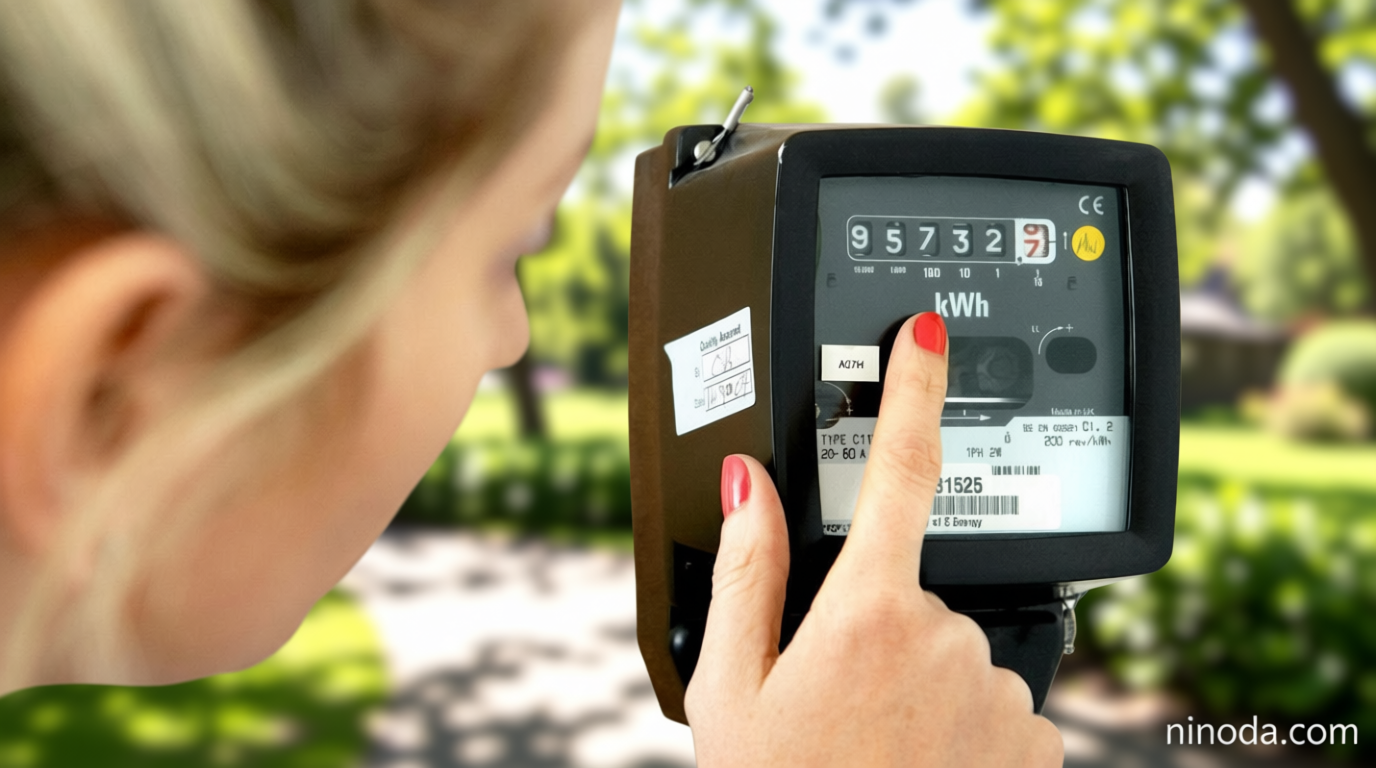
Ninoda.com – Household energy users are encouraged to provide meter readings amid a 13% surge in energy costs affecting millions across England, Scotland, and Wales. Consumers on regulated tariffs under Ofgem’s price cap, without smart meters, are advised to submit readings to prevent being charged based on outdated usage data. This step is crucial to avoid billing under the previous rate, which may no longer reflect current consumption levels.
Market dynamics and analyst predictions
The current price hike, attributed to elevated gas costs, might see a muted effect due to favorable summer weather and reduced consumption. However, energy costs linked to the aftermath of the US-Israeli conflict with Iran could remain elevated through the winter, as per Cornwall Insight’s analysis. Analysts predict a minor 0.5% reduction in the price cap in October, intensifying calls on the government to offer relief for vulnerable consumers.
“The Iran ceasefire gave the markets some breathing room, but this is a pause, not a resolution to the conflict. What comes out of the final agreement, if there is one, will matter enormously for energy prices,” said Craig Lowrey, principal consultant at Cornwall Insight.
Financial strain and proposed solutions
As prices climb, the Trades Union Congress (TUC) is advocating for a social tariff to alleviate the strain of energy bills for the majority of households. Social tariffs are discounted deals often reserved for those on certain benefits, though they are not currently available on energy bills. Instead, the cost is typically covered by higher bills for others or increased taxation. The TUC suggests levying a higher tax on bank profits to fund these social tariffs.
Typical usage and regional differences
Ofgem has adjusted its estimate of a “typical” energy usage level, reducing it to 9,500 kWh of gas and 2,500 kWh of electricity annually. This change reflects reduced consumption due to high prices and improved energy efficiency in recent years. The energy cap applies to 33 million households in England, Wales, and Scotland, but regulations and billing structures differ in Northern Ireland. Those on fixed tariffs will not see immediate changes until their deals expire, with approximately 40% of consumers currently on such plans.
Debt and cost-of-living pressures
Debt owed to energy suppliers in England, Scotland, and Wales reached a record £4.79bn in the first quarter of the year, reflecting a 15% annual increase. This underscores the growing financial strain, as a new report highlights that consumers face ongoing price hikes for essentials, with recovery from recent cost-of-living pressures expected to take several years. Pensions and investment company Royal London noted that 30% of UK adults are financially fragile, with limited savings and difficulty coping with financial shocks.
Support schemes and consumer action
Energy companies provide various support programs for those facing payment difficulties. Energy UK maintains a list of these initiatives, but participation requires contacting the supplier directly to request assistance. The rise in bills could mean an average monthly increase of £18 for households using typical energy amounts, with gas bills rising by 24% and electricity bills by 5%. Standing charges remain almost unchanged.