
Pope urges Europe to do more for migrants as he visits gateway island

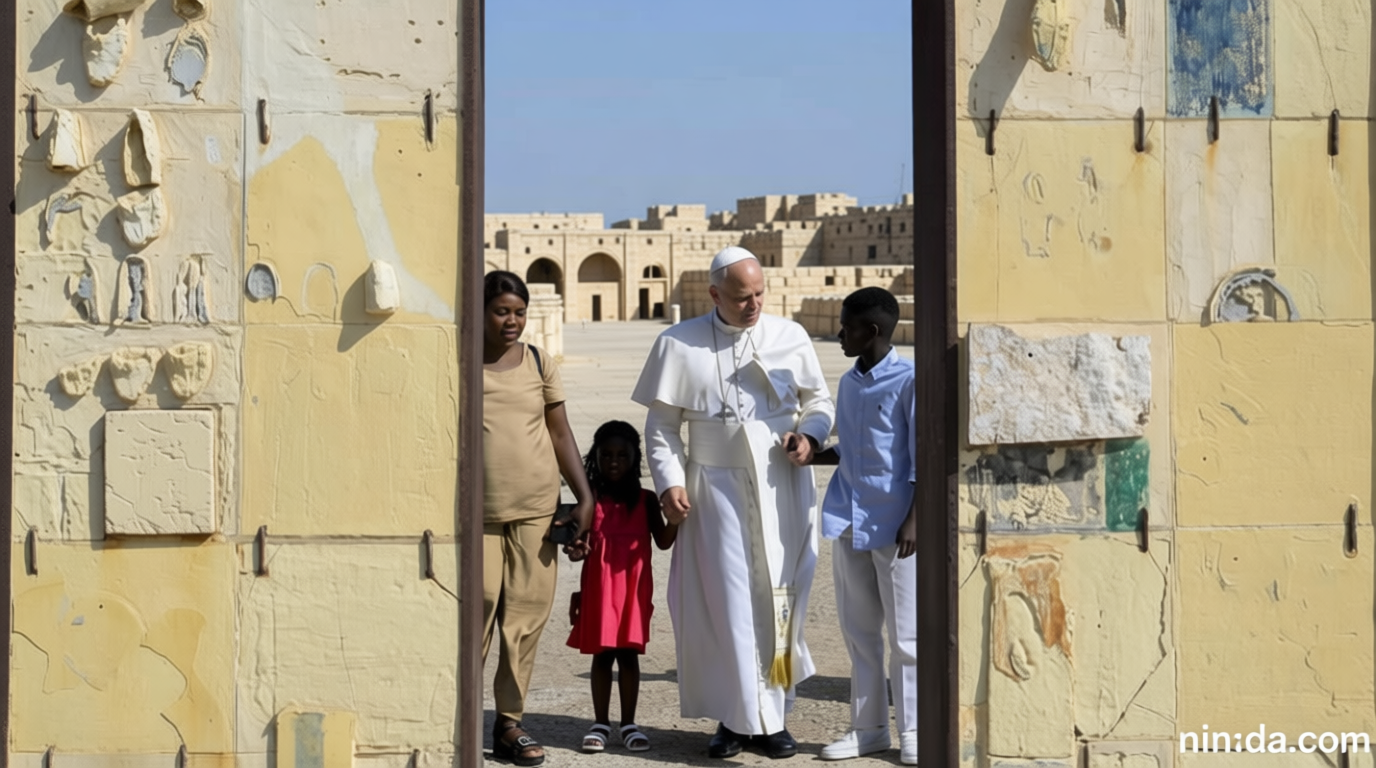
Pope Leo XIV Calls for European Unity in Addressing Migration Crisis
Mass on Lampedusa Marks Pontiff’s Plea for Compassionate Policies
Ninoda.com – During a visit to Lampedusa, the island serving as a key entry point for migrants into Europe, Pope Leo XIV emphasized the urgent need for European nations to collaborate on migration. Speaking to Catholics gathered on the island, he highlighted the challenges faced by newcomers, urging leaders to improve integration efforts and enhance living conditions in their home countries. “Those who have lost their lives in this sea are victims both of decisions that were made and of decisions that were not made,” he stated, reflecting on the human cost of the migration crisis.
EU Tightens Migrant Regulations Amid Rising Border Controls
The Pope’s visit follows the EU’s recent approval of stricter migration policies, which include enhanced border controls and expanded detention powers. This move aligns with a broader trend of governments adopting measures to deter undocumented arrivals, with the UK and Italy among the nations implementing such strategies. However, the pontiff’s appeal underscores a growing concern that these policies may overlook the deeper humanitarian needs of migrants.
Symbolic Gestures and Dignity in the Face of Peril
The trip began with a visit to Lampedusa’s cemetery, where the Pope offered prayers at the graves of migrants who perished during their journey from Africa to Europe. He also stood at the “Door of Europe” memorial, a poignant reminder of the dangers faced by those crossing the Mediterranean. In a heartfelt address, he said, “From this far-flung corner of Europe on the Mediterranean Sea, one can more clearly perceive the momentous challenge that the phenomenon of migration poses to European societies.”
A Call for Comprehensive Solutions
While acknowledging the complexity of the crisis, the Pope stressed the importance of European unity. “Europe is capable of addressing the crisis in this region in a comprehensive manner, integrating immediate relief efforts into a long-term strategic plan capable of receiving, protecting, supporting and integrating migrants,” he asserted. The island’s migrant reception center, overcrowded and strained, serves as a stark example of the challenges requiring systemic reform.
Human Stories and Hope for Integration
Over 1,400 people have died or gone missing in the Mediterranean this year, with 28 children among the casualties, according to the UN’s International Organization for Migration. Migrants, rescue officials, aid group members, and the Italian Coast Guard gathered to witness the Pope’s presence, a symbol of solidarity. “The pope’s visit speaks to every one of us,” said Kandeh Abdourahman, a 2015 arrival now working as a cultural mediator with the International Rescue Committee.
“It was a reminder that our stories are seen, that welcome is not just a word but an act of humanity.”
Migration as a Central Papal Priority
Since assuming leadership of the Catholic Church in May 2025, the Pope has consistently framed migration as a core issue. His focus on supporting migrants has placed him at odds with U.S. President Donald Trump, whose anti-immigration policies he has condemned as “inhuman.” In a letter to Americans on the 250th anniversary of U.S. independence, he wrote, “The Catholic value of defending life includes welcoming, protecting and assisting immigrants.” He noted how “immigrants’ sacrifices and contributions have shaped the nation’s history,” arguing that compassion is both a moral duty and a recognition of human dignity.
Broader Mission and Criticism of Conflict Spending
Throughout his papacy, Pope Leo XIV has extended his focus beyond migration, critiquing leaders who prioritize war spending over humanitarian aid. This sentiment was echoed during his recent visits to the Canary Islands and Spain, where he praised the latter’s stance against war while advocating for migrant support. His comments, delivered during Mass on Lampedusa, reaffirmed the Church’s commitment to addressing the root causes of displacement and ensuring a dignified path for those seeking refuge.