Raleigh owner starts insolvency proceedings

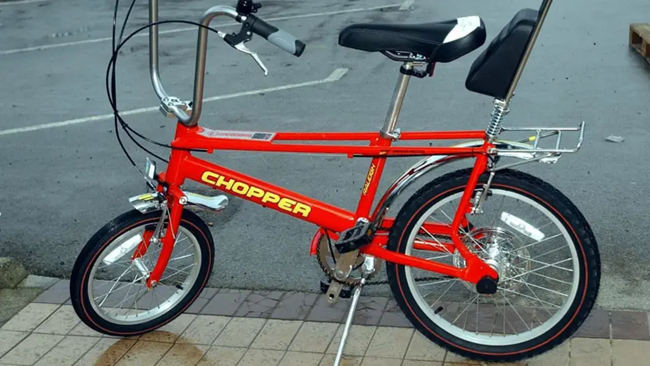
Table of Contents
Raleigh Owner Starts Insolvency Proceedings: A Historic Chapter Closes
Ninoda.com – The long-awaited moment has arrived for one of Britain’s most beloved bicycle manufacturers. Raleigh owner starts insolvency proceedings as Accell Group, the Dutch parent company, announced it could no longer sustain the business in its current form. This significant development marks the end of an era for the Nottingham-based company that once dominated the global bicycle market and created the legendary Chopper model that defined a generation of cycling culture.
Accell, which acquired Raleigh for $100 million in 2012, revealed on Wednesday that it had “exhausted all the available options” and was “no longer able to meet its financial obligations.” The announcement comes after a challenging period for the historic manufacturer, which experienced redundancies throughout 2024 and reported substantial losses of £30 million in accounts released the following year. When Raleigh owner starts insolvency proceedings, it signals not just corporate restructuring but the potential transformation of a brand that has been synonymous with British cycling for over a century.
Historic Significance and Future Outlook
Jonas Nilsson, chief executive of Accell, described the situation as “a deeply sad and frustrating situation” for all stakeholders involved. The company’s history stretches back to 1887 when Raleigh was founded in Nottingham, eventually growing to become the world’s largest bicycle manufacturer at its peak, employing approximately 8,000 people. While the company stopped manufacturing bikes in Nottingham decades ago, it maintained its headquarters on Church Street in Eastwood until 2024, when it relocated to new premises less than a mile away.
“Every realistic option for the future of the business has been tirelessly explored, and none have resulted in a solution to continue the group in its current form,” Nilsson explained in his statement regarding the insolvency proceedings.
As Raleigh owner starts insolvency proceedings, the immediate priority is to support an orderly process while providing clarity wherever possible. The company will work closely with court-appointed administrators to preserve viable activities and employment opportunities where circumstances allow. This approach demonstrates Accell’s commitment to minimizing disruption for employees, suppliers, and customers during this transitional period.
The insolvency proceedings represent more than just financial restructuring—they reflect broader challenges facing traditional manufacturing businesses in an increasingly competitive global market. For cycling enthusiasts and industry observers alike, watching Raleigh owner starts insolvency proceedings provides valuable insights into how heritage brands navigate modern economic pressures while attempting to preserve their legacy and market position.
Frequently Asked Questions
What does the insolvency mean for Raleigh employees? The company is working with administrators to preserve viable activities and employment where circumstances allow, ensuring minimal disruption during the restructuring process.
When did Accell originally acquire Raleigh? The Dutch company purchased Raleigh for $100 million in 2012, investing in the historic brand’s potential for growth and expansion.
What financial challenges has Raleigh faced recently? The company experienced redundancies in 2024 and reported losses of £30 million in accounts released the following year, contributing to the decision to initiate insolvency proceedings.
Where is Raleigh’s headquarters located now? In 2024, Raleigh moved from its historic Church Street location in Eastwood to new premises less than a mile away in Nottinghamshire.