
Row over potential cull of Dartmoor hill ponies

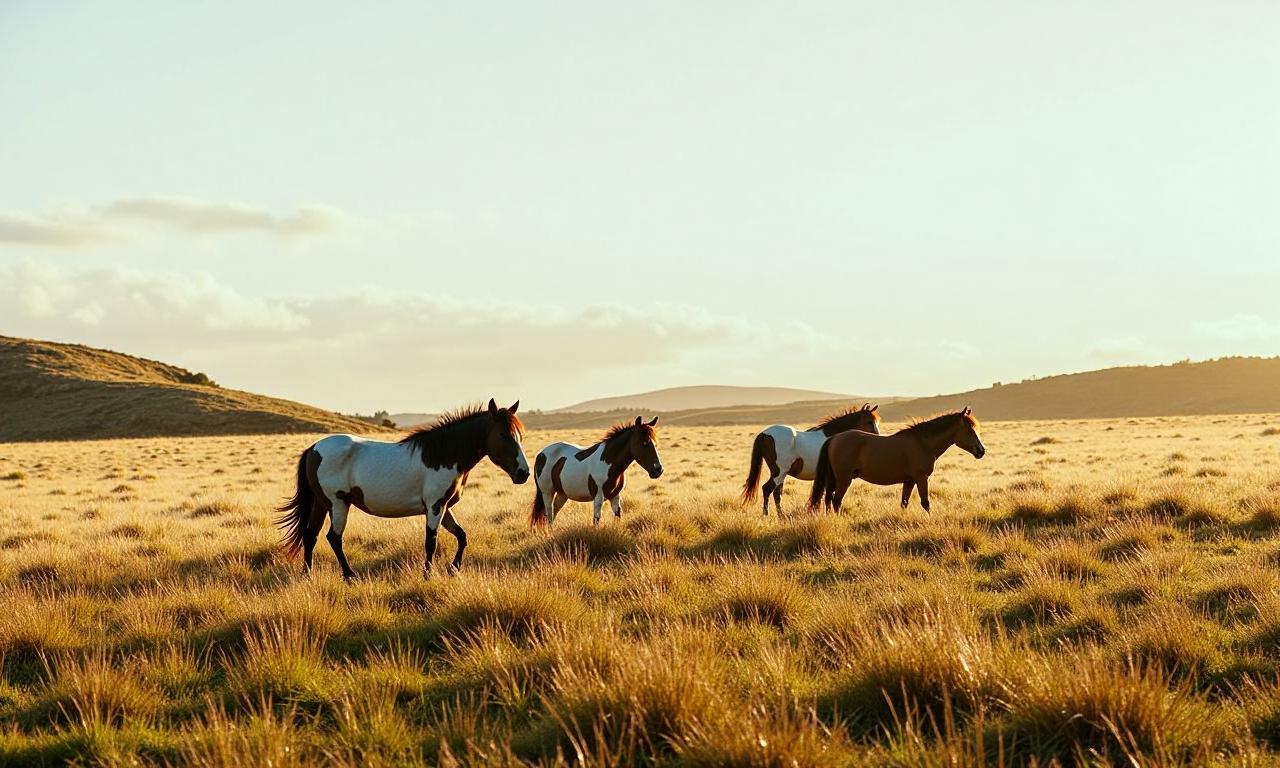
Row Over Potential Cull of Dartmoor Hill Ponies
Ninoda.com – The ongoing debate surrounding the potential culling of Dartmoor hill ponies has sparked significant controversy, with environmentalists and local communities expressing strong opposition. As part of a new government-backed conservation effort, Natural England has proposed reducing the population of these rare ponies to manage grazing pressure on the moor’s commons. Critics argue that this strategy could lead to a drastic decline in numbers, potentially threatening the survival of the breed. The Row over potential cull of Dartmoor has intensified, drawing attention to the delicate balance between ecological preservation and the traditional role of these animals in shaping the landscape.
Conservative leader Kemi Badenoch has emerged as a vocal critic of the plan, dismissing it as “total madness” and urging the government to intervene. Her comments have fueled a growing petition against the culling, which has gained traction among activists and commoners who rely on the ponies for their livelihoods. While Natural England emphasizes that its goal is to protect the semi-wild population “for generations to come,” its proposed measures have raised questions about the agency’s authority and the long-term consequences for the moor’s biodiversity. A Downing Street representative has also affirmed that the Row over potential cull of Dartmoor will not result in the complete removal of the ponies, highlighting the government’s commitment to their conservation.
Historical Significance and Ecological Role
Dartmoor hill ponies, known for their resilience and adaptation to the harsh moorland environment, have roamed the area for over 4,500 years. Historically, they played a crucial role in maintaining the balance of the ecosystem by grazing on specific vegetation types that support native flora and fauna. However, their numbers have plummeted from around 6,000 two decades ago to fewer than 1,000 today, a decline attributed to habitat fragmentation, climate change, and competition with commercial livestock. The Row over potential cull of Dartmoor now centers on whether these animals should be prioritized over other grazing species, with some arguing that their unique traits make them irreplaceable in managing the moor’s landscape.
Environmental groups have pointed to the historical failure of earlier grazing reduction efforts to demonstrate the importance of the ponies’ role. For instance, when grazing was decreased in the 1980s, it led to the overgrowth of Molinia grass, which has since become a dominant invasive species on the moor. Joss Hibbs, secretary of the Dartmoor Hill Pony Association, warns that without the ponies, the ecosystem could face irreversible damage. “This Row over potential cull of Dartmoor represents a critical juncture for the breed,” she said. “The moor’s natural character depends on their ability to control vegetation, and their loss would be a cultural and ecological catastrophe.”
Commoners’ Dilemma and Livelihood Concerns
At the heart of the Row over potential cull of Dartmoor is the conflict between conservation goals and the economic needs of commoners. These landowners, who have traditionally grazed ponies on the moor, now face a difficult decision: to continue sustaining the species or shift to more profitable livestock like sheep and cattle. The proposed culling plan threatens to undermine their support, as financial viability becomes a pressing concern. If the ponies are replaced, the long-term survival of the breed may be jeopardized, especially given the small, fragmented population that now exists.
Supporters of the culling argue that reducing numbers will allow the moor to recover and restore its natural biodiversity. They point to the Independent Review of Protected Site Management on Dartmoor, which recommends targeted grazing strategies to address overuse of specific areas. However, opponents counter that the Row over potential cull of Dartmoor lacks a comprehensive plan and risks eliminating the ponies altogether. The debate has also sparked discussions about the role of agri-environmental schemes, which aim to incentivize sustainable farming practices but could inadvertently lead to a 56% to 89% reduction in the ponies’ population.
“Natural England has not recommended a cull, and the government will ensure the Row over potential cull of Dartmoor does not result in the extinction of these animals,” stated a spokesperson for the Department for Environment, Food and Rural Affairs. “The ponies are not only a symbol of Dartmoor’s heritage but also essential for maintaining the health of its habitats. Our approach seeks to harmonize conservation with the needs of local farmers.”
As the Row over potential cull of Dartmoor continues, stakeholders are calling for a more transparent and inclusive decision-making process. The upcoming report from the Land Use Management Group, expected in 2027, is seen as a key opportunity to finalize a plan that balances ecological and economic interests. With the fate of these iconic ponies hanging in the balance, the debate underscores the complexity of managing a landscape shaped by both natural forces and human activity. The outcome of this Row over potential cull of Dartmoor may set a precedent for future conservation efforts across the UK’s protected sites.