SpaceX share price drops below stock market debut

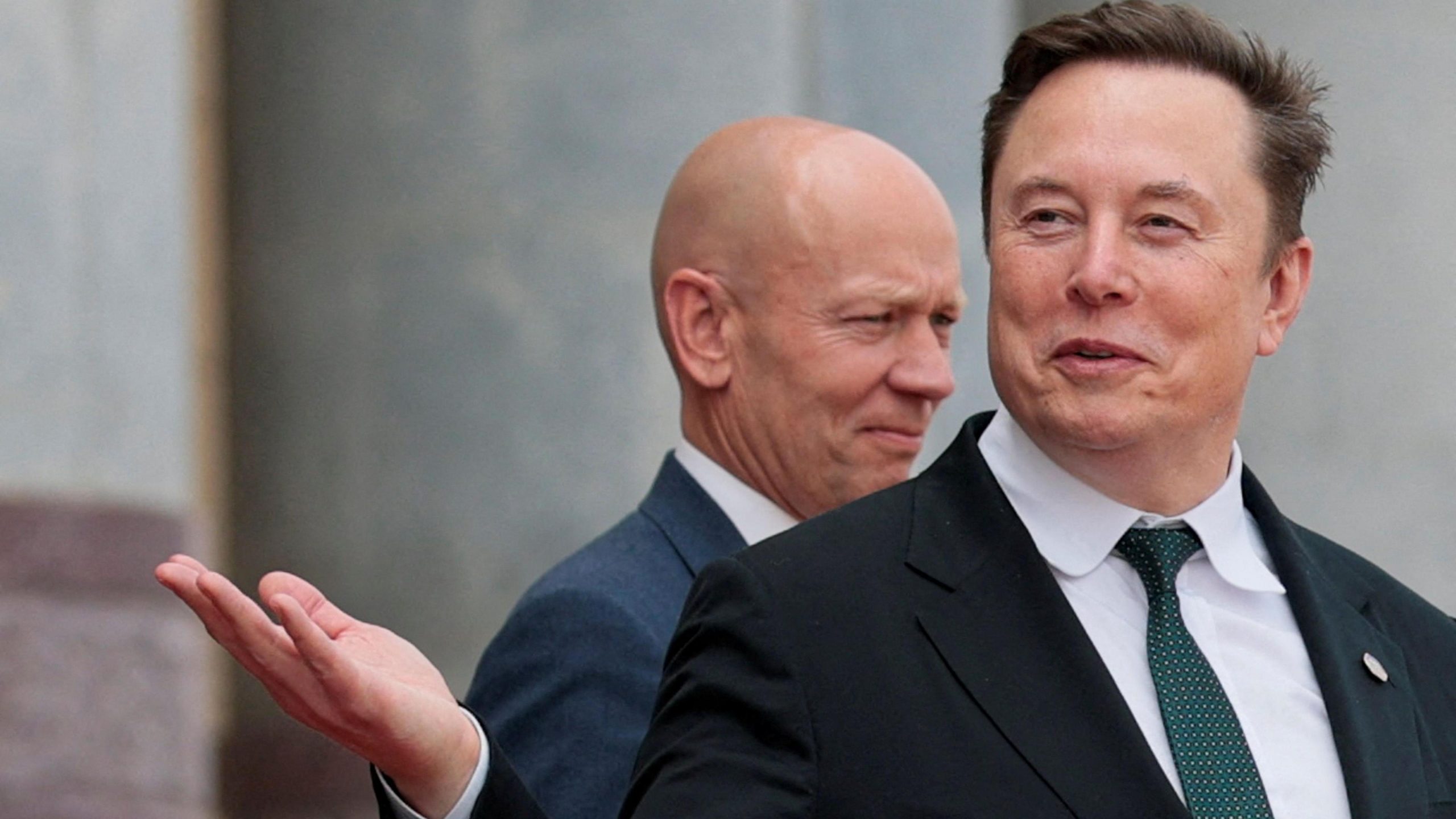
SpaceX’s Share Price Slides Below IPO Level
Ninoda.com – Just over a month following its much-anticipated stock market debut, SpaceX’s share price has fallen below the initial offering price, signaling a significant shift in investor confidence. On Wednesday, the company’s stock dipped to $132.62 (£98.24), marking a 41% decline from its peak valuation shortly after the June 29 listing. This downturn has raised concerns among early investors, particularly as the stock’s performance now lags behind its original market valuation. While the broader Nasdaq index recorded a modest 0.2% drop, SpaceX’s shares experienced a sharper 2% decline, highlighting the unique challenges the company faces in the competitive tech sector.
The downward trend in SpaceX’s share price has sparked discussions about the factors influencing its market trajectory. Analysts and investors are now closely examining whether the initial optimism surrounding the company’s space exploration and AI ventures has been tempered by real-world challenges. The stock’s recent performance reflects a broader sentiment that the company must deliver consistent results to sustain its valuation. With a market cap that once soared to $350 billion, the dip below the IPO level has prompted questions about the long-term viability of its business model and the role of external pressures in shaping its financial outlook.
Market Volatility and Strategic Decisions
Elon Musk’s journey to becoming a trillionaire was closely tied to SpaceX’s IPO, yet the company’s shares have shown pronounced volatility since trading began. While the broader market remained relatively stable, SpaceX’s stock has oscillated due to a combination of strategic moves and operational shifts. For instance, Starlink’s decision to reduce prices in Memphis, Tennessee, in response to local opposition to a large data center project, triggered an 8% drop in the company’s valuation. This move underscores how even minor adjustments in pricing can reverberate through the stock market, affecting perceptions of SpaceX’s growth potential.
Further compounding the situation, SpaceX’s expansion into artificial intelligence (AI) has introduced new uncertainties. The company’s acquisition of Musk’s xAI venture, later rebranded as SpaceXAI, marked a bold attempt to integrate AI-driven operations into its portfolio. However, the integration of this technology has not yet translated into a tangible boost for the stock. Investors are now scrutinizing whether SpaceX’s AI initiatives will generate sustainable revenue streams or if they represent a gamble that could dilute the company’s core space exploration value.
Investor Sentiment and Long-Term Expectations
Despite the recent dip, SpaceX remains a focal point for investors, with its stock performance often seen as a barometer for the tech industry. The company’s ambitious projects, including reusable rocket technology and plans for Mars colonization, have historically driven enthusiasm. However, the current decline suggests that market participants are beginning to factor in risks and slower-than-expected progress in these ventures. Analysts argue that the stock’s fall is not a sign of failure but rather a reflection of evolving investor expectations and the need for measurable outcomes to support its valuation.
Market psychology plays a critical role in SpaceX’s stock movement. As the first publicly traded company founded by Elon Musk, its performance is often viewed as an indicator of the broader space economy’s potential. The recent drop below the IPO level has led to debates about whether the market is overreacting to short-term challenges or if it is signaling a broader trend of skepticism. With no major catalysts in sight, the stock’s trajectory will depend on how SpaceX navigates its operational hurdles and communicates its long-term vision to stakeholders.
Analyst Insights and Market Context
Steve Sosnick, chief market analyst at Interactive Brokers, highlighted the lack of immediate drivers for demand in SpaceX’s shares. “The absence of recent catalysts, such as major contracts or technological breakthroughs, has left investors seeking more clarity on the company’s growth prospects,” he noted. While a decline below the IPO price is not inherently negative, the magnitude of the drop has amplified its significance, particularly given SpaceX’s prominent position in the tech and space sectors.
“The fact that a stock has fallen a couple of dollars below its IPO price in itself is not a tragedy, but SpaceX is heavily monitored and plays a significant role in shaping market psychology,” Sosnick added. His comments align with broader observations that the company’s stock is often scrutinized more intensely than others, given its association with Musk’s visionary ambitions and the high expectations surrounding its space ventures.
As the stock continues to fluctuate, the market is awaiting SpaceX’s first public earnings report in August, which could provide critical insight into its financial health. The company’s recent silence on the price drop has left investors in a state of uncertainty, with some speculating that internal challenges or external market conditions may be contributing to the decline. Analysts suggest that the upcoming report will be pivotal in determining whether the stock’s current trajectory is a temporary setback or a more sustained correction.