Starmer considers political future as pressure to quit mounts


Starmer Considers Political Future Amid Rising Resignation Pressure
Ninoda.com – As pressure mounts for Sir Keir Starmer to step down, the Labour leader is evaluating his political trajectory and the implications of a potential leadership shift. This comes after the recent Makerfield by-election, where his deputy, Andy Burnham, emerged victorious, reigniting discussions about the party’s direction. While Burnham’s success has bolstered his standing, it has also intensified calls for Starmer to provide clarity on his future, with senior members of the party urging him to outline a clear timeline for his departure. The situation underscores the growing tension within Labour as the party navigates challenges both internally and externally.
By-Election Victory Sparks Leadership Debate
Andy Burnham’s win in Makerfield has become a catalyst for renewed leadership debates within the Labour Party. The by-election, which saw Labour increase its majority despite recent electoral setbacks, has highlighted the party’s internal divisions. Senior figures like Heidi Alexander and Yvette Cooper have been vocal in their demands for Starmer to address the mounting pressure, emphasizing the need for a strategic review of his leadership. Meanwhile, Shabana Mahmood and Ed Miliband have joined the chorus, suggesting that Starmer’s future might be tied to the outcome of the upcoming leadership contest.
“Andy feels confident in what he’s offering to the country, based on the contest that we’ve just seen in Makerfield. I think he would do very well if there was a contest,” stated Labour MP Helen Hayes.
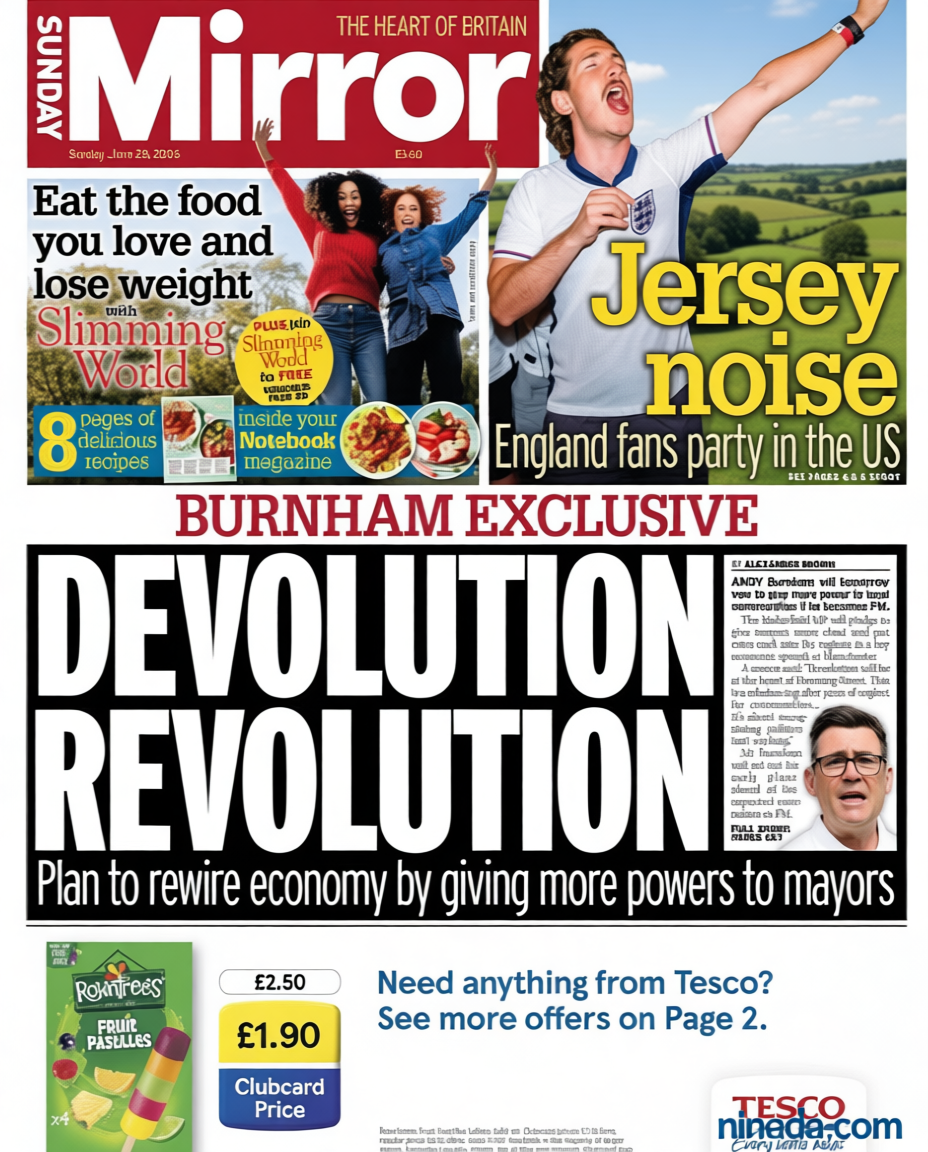
The decision to potentially challenge Starmer’s leadership could reshape the party’s political landscape, as internal factions weigh the balance between stability and change. Burnham, currently spending time with his family this weekend, is set to return to Westminster on Monday to take up his role. His allies are encouraging Starmer to engage with his colleagues and assess the broader implications of his continued leadership. This period of reflection may determine whether Starmer remains at the helm or opens the door for a leadership transition.
Trump’s Comments Amplify External Pressure
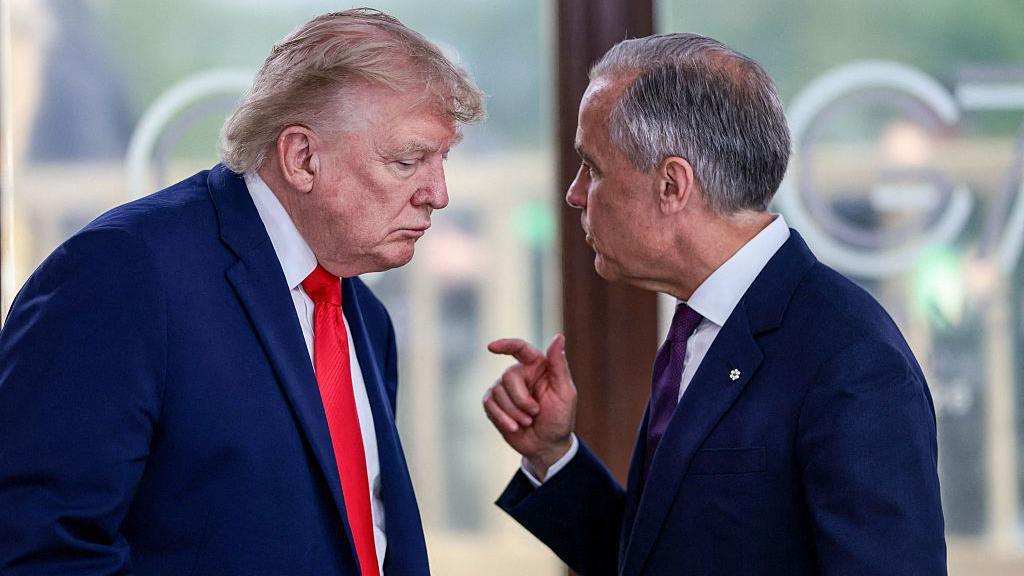
The situation has gained international attention, particularly from former US President Donald Trump, who has publicly stated that Starmer “will resign as prime minister” on social media. Trump’s critique of Starmer’s handling of immigration and energy policy has added to the pressure, especially given the global spotlight on the Labour Party’s performance. Although No 10 confirmed that Starmer and Trump had not spoken since their G7 summit meeting, the former president’s remarks have further fueled speculation about Starmer’s political fate. His influence, while indirect, has played a role in amplifying the narrative of leadership instability within Labour.
“I wish him well!” Trump added, highlighting his belief that Starmer’s leadership has “failed badly” in key policy areas.
Trump’s comments, though not officially backed by the British government, have contributed to the perception that Starmer’s position is under siege. This external pressure is compounded by internal criticism, with some MPs arguing that a leadership contest could offer fresh ideas and greater unity. However, others caution that such a move might create uncertainty, particularly in the current political climate where stability is crucial for maintaining public confidence and market stability.
Political Realities and Leadership Contests
Starmer’s contemplation of his political future reflects the evolving political realities within Labour. Business Secretary Peter Kyle noted that the prime minister is “taking the time to think through what the political realities are today, compared to last week and the week before.” This suggests that Starmer is not only considering his own position but also the broader implications for the party’s strategy and unity. Kyle emphasized that Starmer’s decisions would be guided by “what’s in the best interests of the country,” acknowledging the forces pushing for a leadership change.
As the pressure continues, the possibility of a leadership contest looms larger. The 2020 race that brought Starmer to power took six weeks, and some within the party fear a similar process could strain unity. Former Health Secretary Wes Streeting, a potential rival to Burnham, has endorsed the idea of a “battle of ideas” to redefine Labour’s vision. This contest may not only determine the next leader but also influence the party’s policies and public image in the coming months.
The ongoing debate highlights the delicate balance between maintaining stability and embracing change. While Starmer remains a respected figure, the by-election result has created an opening for his allies and opponents to push for a new direction