Stop pretending EU’s new border system is working, says airports chief

Stop pretending EU’s new border system is working, says airports chief
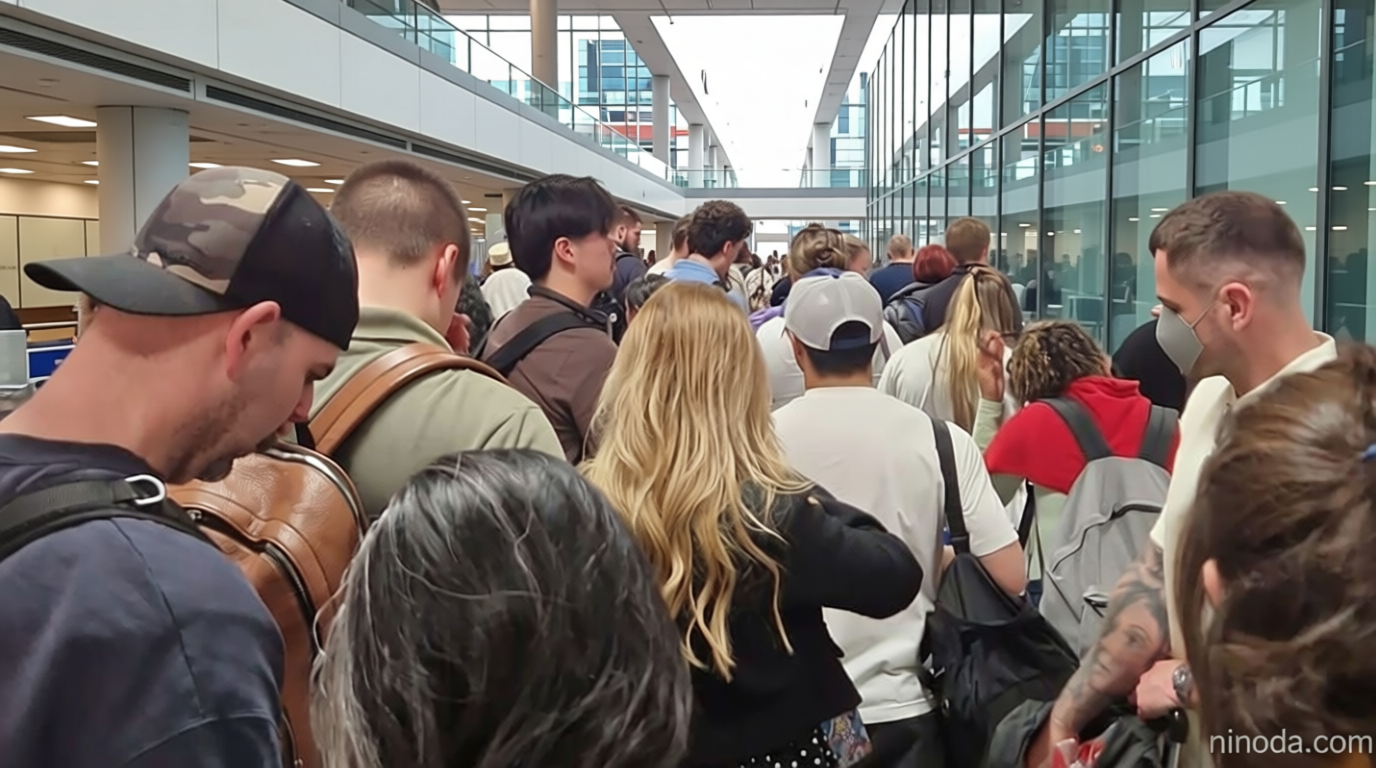
Ninoda.com – On April 16, long lines formed at passport control in Milan Bergamo as travelers braced for delays linked to the EU’s Entry-Exit System (EES). Stefan Schulte, president of ACI Europe, has raised alarm over the system’s performance, insisting that its challenges are keeping industry leaders sleepless. The EES, launched earlier this year, mandates biometric data collection for non-EU travelers upon entry to most European nations, which is then verified during their departure. While the system functions smoothly in some countries, reports of significant bottlenecks at airports have sparked criticism, with some passengers missing flights due to processing delays.
Industry concerns over operational strain
Schulte, who also leads the company behind Frankfurt Airport, highlighted the growing strain during a Prague-based industry event. “Passengers are queueing for hours during peak times, and I’m unsure how we’ll manage the surge in traffic next weeks,” he remarked. The BBC has sought comments from the European Commission, which manages the EES, to clarify the situation. The system’s requirement for facial scans and fingerprints for travelers from outside the European Economic Area has been a point of contention, particularly in the Schengen free-travel zone.
“We urgently need full flexibility for border control authorities to suspend the EES whenever needed to avoid further chaos – along with a rethink of those processes,” Schulte said. “This is about showing respect and decency for those who chose to travel to the EU, and safeguarding our reputation as a welcoming and efficient destination.”
Recent incidents have underscored the system’s flaws. In late April, dozens of Ryanair passengers were stranded in Athens after their flight to London Luton departed without them. While Ryanair cited border delays, the airport attributed the issue to “additional processing requirements.” Neither party explicitly named the EES as the cause, but the event marked another instance of travelers being left behind since its implementation. Similar problems were reported in Milan, where delays at passport control affected flights to Manchester.
Exemption debates and system instability
Greece’s tourism minister previously assured British visitors they would avoid biometric checks during the summer. However, the Greek Foreign Ministry later clarified no such exemption existed. Meanwhile, reports suggested Portugal and Italy were considering waiving EES checks for British nationals at their airports. The European Commission disputed these claims, stating no formal plans had been announced. Schulte warned that the summer travel peak extends well beyond September, and without adjustments, the EES could face a “complete collapse” in the coming months.