These seaside apartments were a ghost city – then police say scammers moved in

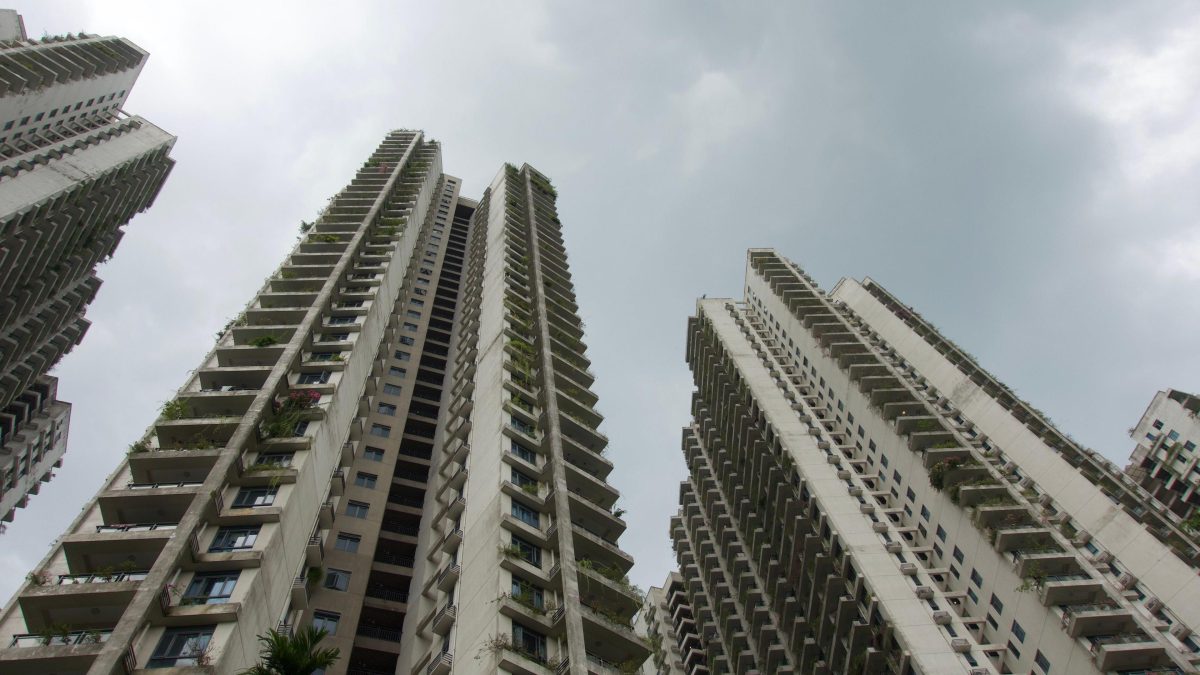
Table of Contents
Scam Syndicates Take Over Malaysia’s Phantom Metropolis
Ninoda.com – What was once envisioned as a gleaming utopia has become an unlikely haven for international fraudsters. Malaysian authorities recently dismantled two major cryptocurrency scam operations hidden within Forest City, Southeast Asia’s most prominent ghost town. The mid-July police action resulted in 335 arrests and the seizure of approximately one million ringgit in assets, alongside hundreds of electronic devices.
A Dream That Became a Den of Thieves
From an aerial perspective, Forest City resembles a digital rendering brought to life. The development features countless identical white towers rising from a modest stretch of coastline. When Chinese developers launched this colossal $100 billion venture in 2016, they promised “a dream paradise for all mankind.” The ambitious project was designed as a special financial zone capable of accommodating up to 700,000 inhabitants.
Fast forward ten years, and the reality tells a different story. This 14-square-kilometer artificial island, positioned just off Singapore’s coast, now hosts fewer than one percent of its intended population. Towering structures stand empty, their windows and countertops coated in layers of dust that tell tales of abandonment.
“In 2016 they described it here like the golden city; very, very beautiful,” says Jason Deng, a 56-year-old investor who was among the first to buy in Forest City, paying “a lot of money” for five properties.
“If I had known it was not so good I would not have bought so many apartments,” he says now. “I thought it would be much, much better.”
The Raid Reveals Hidden Operations
Police discovered that beneath the surface of this seemingly deserted development lay bustling criminal enterprises. The two primary call centre hubs operated from different locations within the complex. One occupied 27 apartments spanning five residential floors, while the other utilized five separate bungalows.
These cryptocurrency syndicates conducted investment and romance scams aimed at victims across international borders. The arrested individuals included 309 Chinese nationals, 19 Indonesians, three Malaysians, and four citizens of Myanmar. Authorities confiscated 313 computers, 1,557 mobile phones, 17 laptops, and 10 modems during the operation.
Johor police chief Ab Rahaman Arsad confirmed that law enforcement agencies are collaborating with Interpol to identify the masterminds orchestrating these criminal networks. The BBC contacted both Forest City management and Johor police for additional commentary but received no responses.
A Growing Global Phenomenon
Industry experts and local residents suggest these Forest City operations represent merely the beginning of a larger trend. The scam industry continues to expand, mature, and professionalize worldwide.
“The reality is that many of these organisations now resemble multinational corporations more than a traditional organised crime network or gang,” says John Wojcik, an analyst at TRM Labs, which investigates crypto-facilitated crime.
“They have dedicated recruitment teams, IT departments, money-laundering specialists and infrastructure.”
Authorities believe the Forest City criminals were displaced from Cambodia, which has served as a global hub for transnational fraud. Over the past half-decade, this criminal sector has grown into a multi-billion-dollar enterprise. It relies heavily on trafficked victims who work under constant threat of torture and physical abuse.
Cambodian authorities have intensified their crackdown efforts since late last year. Recent estimates indicate that 300,000 people departed the country within several months as raids on large-scale compounds intensified.
White-Collar Criminals Among Neighbors
Unlike the notorious walled compounds found in Sihanoukville or along the Myanmar border, Forest City’s scam operations appear more sophisticated and integrated. These alleged criminal hubs seem to operate with a white-collar professionalism, employing local residents who live alongside unsuspecting neighbors.
Kevin, a tenant who also works in property sales for Forest City, maintains that scammers continue operating within condominiums and serviced apartments throughout the complex. He requested anonymity to avoid potential consequences.
“We know what they’re doing,” he says. “This is actually a very common issue in Johor city and Kuala Lumpur, but especially in Forest City. Forest City is very special.”
According to Kevin, Wojcik, and other observers, Forest City’s defining characteristic is precisely what makes it attractive to criminals: its status as a semi-abandoned ghost town. The development’s sales gallery displays a massive miniature diorama of the entire complex.
“When we speak to clients or customers, the company teaches us to say ‘we already have 23,000 residents living in this area’,” says Kevin – but the reality, he quietly adds, is there are “less than 5,000”.
While developers and sales teams promote an image of a thriving community, the actual population remains a fraction of what was promised. For some investors like Jason Deng, the disappointment runs deep. For others, the presence of scammers has created an unexpected new chapter in Forest City’s ongoing transformation from a golden city dream into something altogether different.
Related Reading
Frequently Asked Questions
What is These seaside apartments were a ghost?
These seaside apartments were a ghost is the main topic of this guide. The article explains the context, practical details, and next steps readers should understand.
Why does These seaside apartments were a ghost matter?
These seaside apartments were a ghost matters because readers are looking for a useful answer, not just a short summary. Good content should match search intent and help them decide what to do next.