They quit the West for Russia’s traditional values, but it wasn’t what they expected

They Left the West for Russia’s Values, But Faced Unexpected Challenges
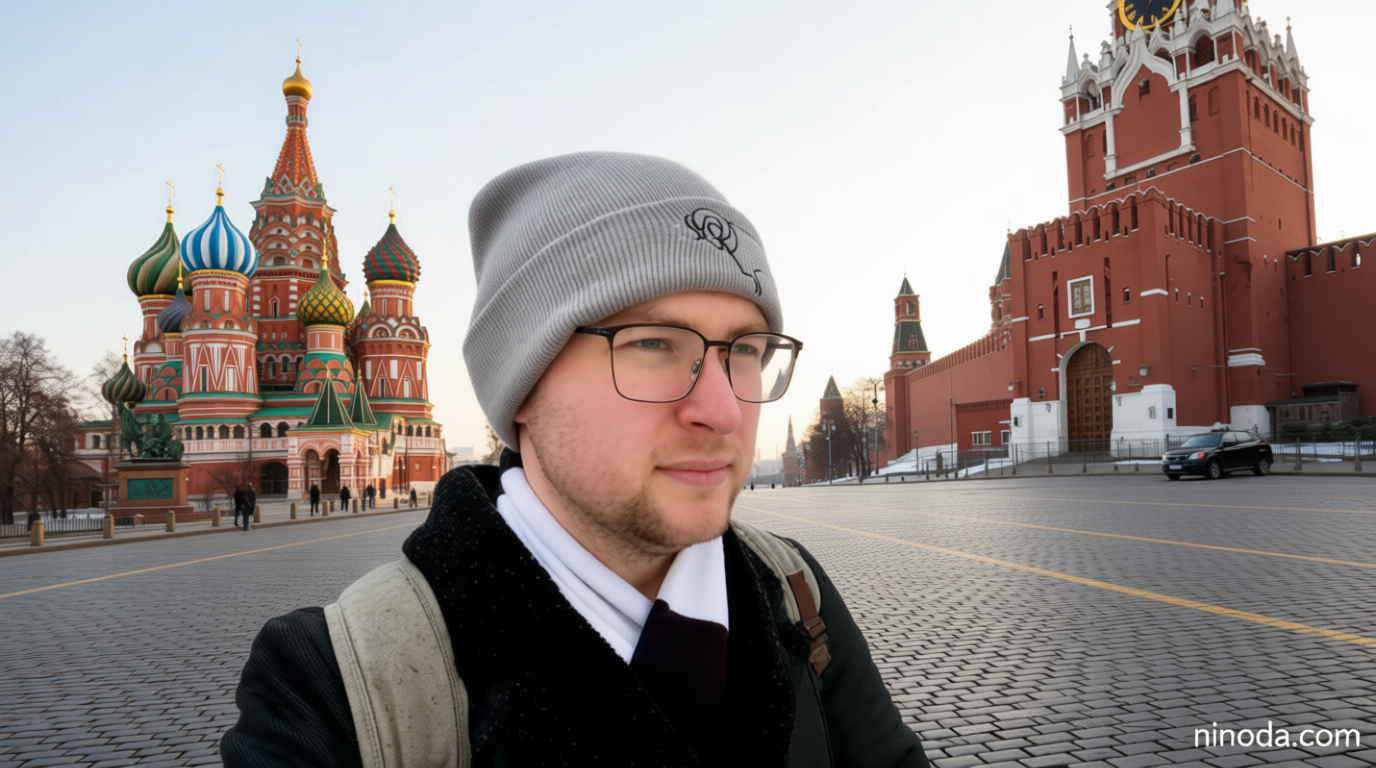
Ninoda.com – Leo Hare, a former Texan, made the bold decision to move to Russia in 2023, seeking a life rooted in traditional values after growing disillusioned with Western society. His journey began with securing asylum, which allowed him to relocate under the Shared Values visa program. In Russia, he found new routines—cooking dumplings, milking goats on a farm, and sharing his experiences with followers. Yet, his expectations of a simpler, more conservative lifestyle didn’t fully align with the realities of daily life in the country.
Ben, another UK resident, followed a similar path in 2023, choosing Russia over the uncertainties of the West. He emphasized the stability he found in Russia, contrasting it with the political instability he associated with his home country. Their stories highlight a growing trend of individuals drawn to Russia’s narrative of preserving cultural and spiritual heritage, despite the complexities that arise in practice.
The Russian Vision of Tradition
Russia’s Shared Values visa, introduced in 2024, targets people from 47 nations deemed “unfriendly” by Moscow. This initiative offers temporary residency for up to three years, requiring applicants to affirm their belief in Russia’s traditional moral values. The program aims to position Russia as a sanctuary for those who feel their home countries are eroding conservative ideals through policies like LGBTQ+ rights expansion and political polarization.
“The program is about aligning with Russia’s vision of preserving traditional ways,” remarked Philip Hutchinson, a relocation expert in Moscow. “It’s not just about escaping Western politics—it’s about finding a community that shares your values.”
By framing itself as a defender of traditional norms, Russia has attracted a diverse group of migrants. President Vladimir Putin’s 2022 decree warned that Western ideologies threatened Russian traditions, including family structures and national identity. The Shared Values visa became a tangible tool to showcase this cultural appeal, offering a pathway for those who see Russia as a counterpoint to modernist Western trends.
Under the scheme, nearly 3,400 applications were processed by spring 2026, according to official reports. However, the program lacks provisions for housing or financial support, requiring applicants to pay a 1,600-rouble administrative fee and pass medical and criminal screenings. While this may deter some, others view it as a manageable cost for the promise of a culturally aligned life.
Reality Checks and Cultural Dissonance
For many migrants, the idealized image of Russia’s traditional values clashes with the country’s modern challenges. Ilja Belobragin, a relocation company owner, noted that clients often struggle to adapt to unfamiliar social norms and infrastructure. “They don’t recognize the community around me anymore,” one client reportedly said, highlighting a disconnect between Russia’s cultural narrative and its practical realities.
Despite Russia’s ongoing war in Ukraine, which has intensified global scrutiny, political alignment remains a secondary concern for most applicants. While some openly support the invasion, others prioritize personal values over geopolitical stance. This dichotomy underscores how the decision to leave the West for Russia is driven by a blend of cultural aspiration and ideological conviction, even if the destination proves more complex than anticipated.
As the Shared Values visa gains traction, it reflects a broader shift in how individuals perceive Russia’s role in the world. For some, the move represents a return to a more predictable, community-centered way of life. However, the program’s success also depends on how well Russia balances its traditionalist rhetoric with the evolving needs of its expatriate population. The journey of those who quit the West for Russia remains a story of hope and adjustment, shaped by both the country’s strengths and its challenges.