Three things you can do to stop EU border checks at the airport costing you

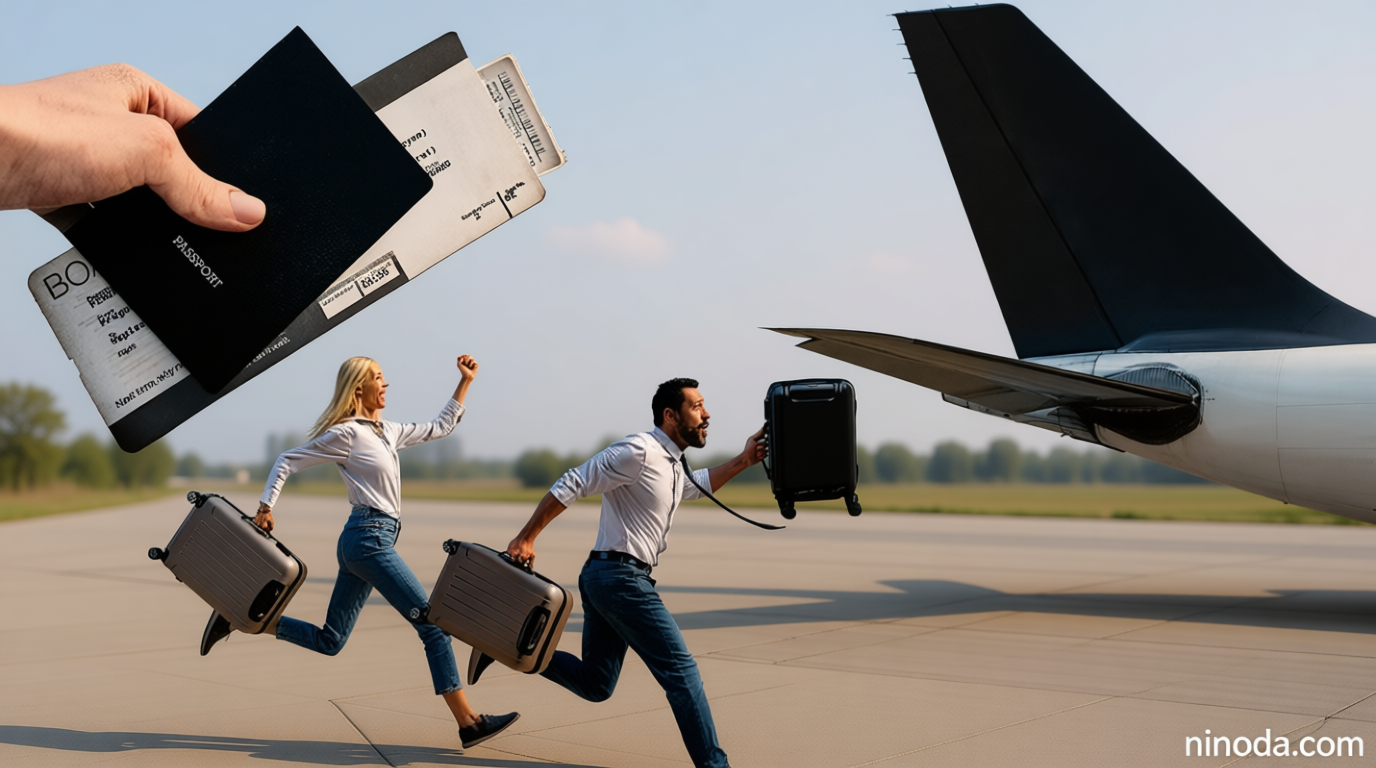
Three Essential Steps to Avoid Extra Costs from EU Airport Border Checks
Ninoda.com – This summer, UK travelers planning trips to Europe should prepare for potential delays at airports due to the European Union’s new border control system. The Entry/Exit System (EES) requires fingerprint scanning and photo capture when passing through customs, which can add time to the process. These delays, combined with occasional technical issues, may lead to unexpected expenses if not managed carefully.
Plan for Extended Arrival Times
Experts recommend arriving at European airports at least three hours before departure, particularly for budget airlines like Wizz Air. Similar advice is given by carriers such as Jet2 and Ryanair, though timings may vary by location. Eurostar, however, suggests adhering to ticket-stated arrival times, as they already account for the EES process. At Dover port, technical problems have disrupted the system, prompting travelers to arrive no more than two hours prior to ferry departure.
“Airlines typically notify passengers of significant delays. We also advise passengers to always check directly with their airline before heading to the airport to allow enough time for security checks and reaching their departure gate,”
the Civil Aviation Authority states.
Stay Updated on Real-Time Changes
Many airlines and travel providers send alerts about current delays or schedule adjustments. To avoid surprises, ensure you’re registered for these updates. Most carriers offer apps that can be downloaded beforehand, and it’s wise to confirm notifications are active on your device. Keep an eye out for alerts in your inbox, and make sure emails aren’t filtered into spam folders.
Review Insurance Coverage Before Departure
Travel insurance may not cover costs incurred from EES-related delays, according to the Association of British Insurers. “In practice, it is your responsibility to allow additional time for such long queues or delays,” explains Anna-Marie Duthie, a Defaqto analyst. While some policies might offer limited protection under missed departure or abandonment clauses, immigration delays are often excluded from coverage.
For example, Anne Robinson and her 13-year-old son Jack missed their flight home from Rome in June after being stuck in a 90-minute queue. They had to pay £250 for a replacement ticket, which wasn’t reimbursable through their insurance. This highlights the importance of understanding your policy details before travel.
Top tip: Confirm arrival time guidance with your airline, ferry, or rail operator in advance. Also, download relevant apps and familiarize yourself with where alerts appear. Finally, review your insurance terms or consult your provider to ensure you’re covered for unforeseen disruptions.