
Trump alleges ‘shocking vulnerabilities’ in US election security ahead of midterms

Trump Alleges ‘Shocking Vulnerabilities’ in US Election Security Ahead of Midterms
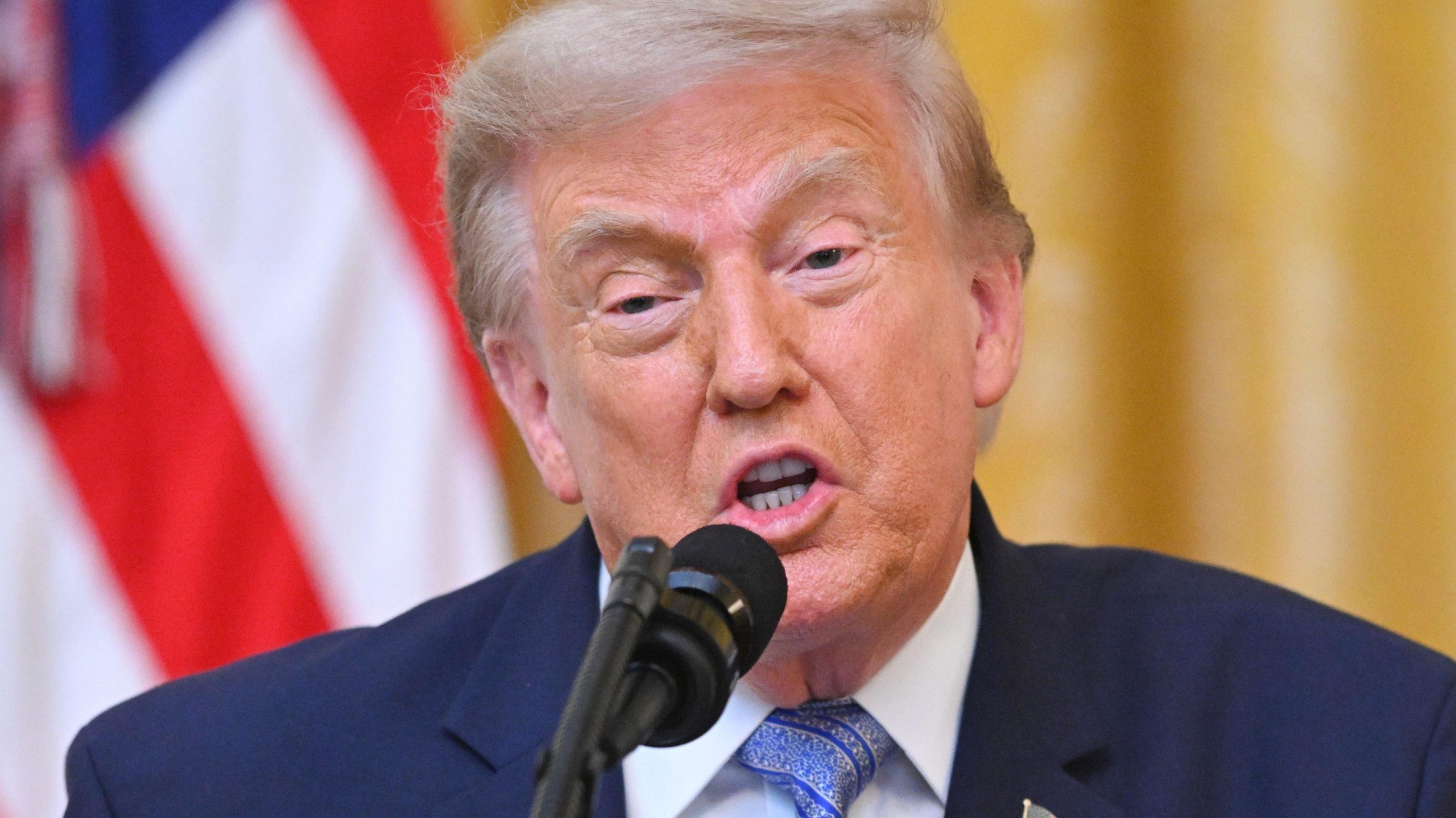
Ninoda.com – Donald Trump, the former US president, has raised alarms about “shocking vulnerabilities” in the nation’s election infrastructure, warning that these weaknesses could threaten the integrity of the upcoming midterms. In a speech delivered at the White House, Trump accused foreign adversaries of exploiting the system, emphasizing that the 2020 election had been compromised by China’s alleged interference. His remarks came as the country prepares for critical congressional elections, with his claims aiming to amplify concerns about election security and mobilize his base.
2020 Election Claims and Foreign Interference
During the address, Trump detailed his belief that China had gained access to 220 million voter files, including sensitive information such as addresses, birthdates, and political affiliations. He argued that data from 18 states had been exposed to foreign manipulation, suggesting that officials had concealed these threats from the public. While the US intelligence community had previously stated that China did not significantly interfere in the 2020 election, Trump’s assertions sought to reignite debates about cybersecurity risks in the voting process. He framed these vulnerabilities as a direct challenge to American democracy, claiming that they could be exploited to alter election outcomes.
Legislative Response: The SAVE America Act
Trump’s speech concluded with a call for the SAVE America Act, a legislative proposal he claims would address election vulnerabilities by restricting mail-in voting, requiring proof of US citizenship for registration, and mandating photo ID for ballot submission. The bill, which has faced delays in the Senate, aims to tighten election security measures. However, critics argue that it could disproportionately affect voters in rural and minority communities. Trump urged supporters to pressure lawmakers to pass the act, warning that without Republican backing, it might not gain traction in time for the midterms.
While the intelligence community has maintained that there was no coordinated foreign effort to influence the 2020 election, Trump’s claims reflect a broader narrative of distrust in the electoral process. He pointed to a state-level investigation in Michigan, where law enforcement uncovered a voter registration scheme allegedly linked to a Democratic group. The case, which highlighted potential fraud, was cited by Trump as evidence of ongoing threats to election systems. He also noted that the Department of Homeland Security had identified 278,000 non-citizens registered to vote, though he did not specify whether any of them had participated in the 2020 election or the current midterms.
“Let’s be clear—in America, voters choose their leaders, not the other way around,” stated Senate Democrat Chuck Schumer on social media, responding to Trump’s remarks. “Democrats will fight like hell to make sure every American voter can cast their ballot freely, without obstruction or interference from Donald Trump.”
Trump’s allegations have been met with mixed reactions from experts and officials. Some analysts agree that election systems are not entirely immune to cyber threats, citing vulnerabilities in outdated software and lack of nationwide encryption standards. Others argue that the claims are overblown, pointing to the success of the 2020 election and the measures implemented to protect against interference. The focus keyword “Trump alleges shocking vulnerabilities in US” is central to his campaign messaging, with the aim of framing the midterms as a pivotal test of election security.