Trump looms large as Nato grapples with challenge of rearming Europe

Trump looms large as NATO grapples with challenge of rearming Europe
Ninoda.com – NATO’s recent efforts to strengthen Europe’s military readiness have been significantly influenced by the lingering impact of former U.S. President Donald Trump. Despite his departure from the White House, Trump’s reputation for challenging alliances and pushing for unilateral U.S. interests continues to shape the discourse around rearming Europe. The summit in Ankara, where Trump’s presence was a focal point, underscored the tension between American strategic priorities and the collective security goals of NATO members. His ability to sway opinions, even from afar, has prompted leaders to reassess their commitments and the role of the United States in the alliance’s modernization plans.
Trump’s Presence and Political Dynamics
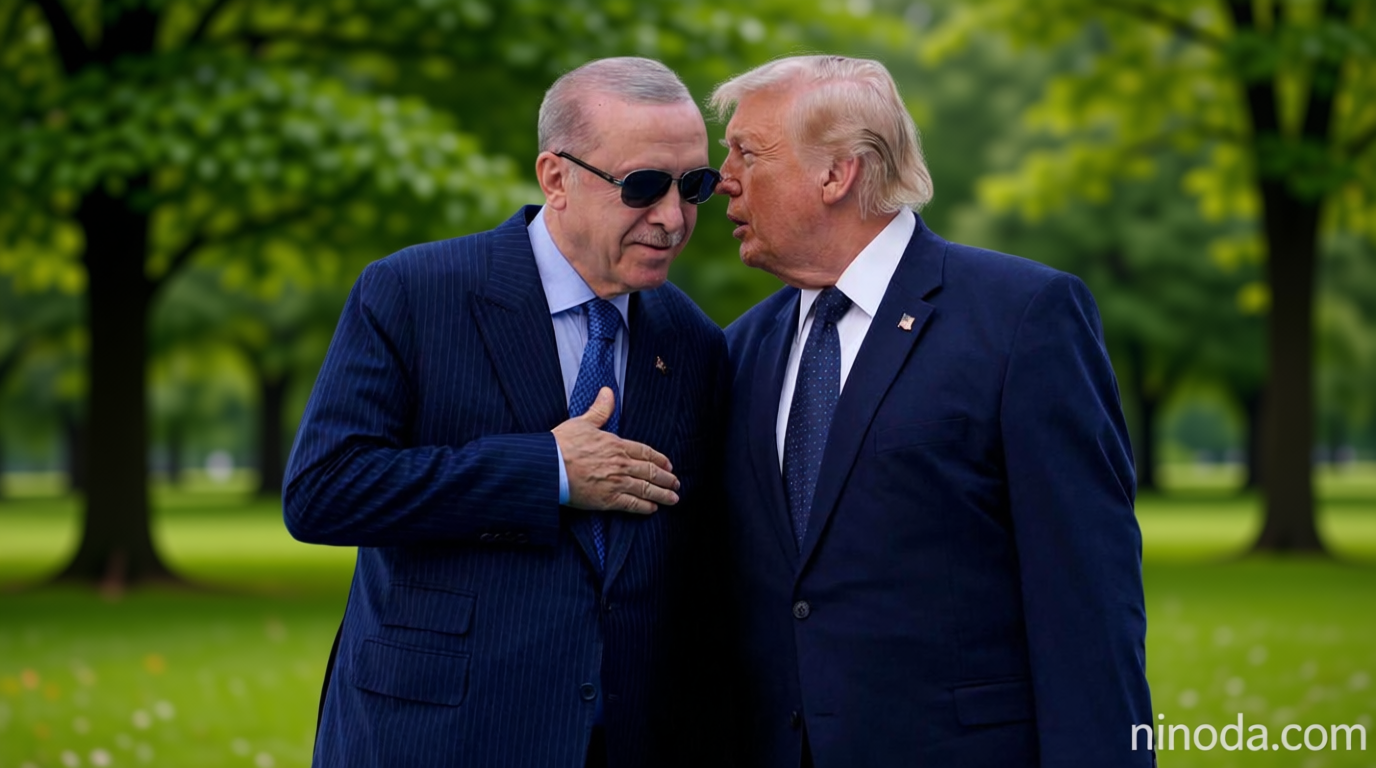
At the NATO summit in Ankara, Turkish President Recep Tayyip Erdogan arranged a striking welcome for Trump, featuring black-clad police, blue banners reading “The Key to Peace,” and a ceremonial red carpet. While the summit is usually a platform for unity, Trump’s attendance highlighted the alliance’s internal divisions. His earlier criticisms of NATO, such as calling it “obsolete” and advocating for reduced U.S. financial contributions, have resurfaced in discussions about Europe’s defense capabilities. Despite his alliance with Erdogan, Trump’s remarks on Greenland—his assertion that the U.S. should take control of the Danish territory—reminded attendees of his tendency to prioritize American interests over collective agreements.
Trump’s comments at the summit were not isolated. He frequently emphasized his belief that NATO allies should shoulder more of the burden for defense, a stance that has fueled debates about the fairness of U.S. military spending. His criticism of the UK’s delayed support for a war in the Middle East, which he claimed undermined NATO’s effectiveness, further illustrated the challenges the alliance faces in maintaining cohesion. While some allies remain loyal to the U.S., others are increasingly concerned about the long-term implications of Trump’s approach on European sovereignty and security.
Europe’s Defense Priorities and NATO’s Response
Amid these political tensions, NATO leaders have turned their attention to tangible measures for rearming Europe. Ukraine’s President Volodymyr Zelensky, addressing the summit, stressed the urgency of developing affordable anti-ballistic systems to counter Russian missile threats. His remarks, which echoed the need for swift action, came after a series of heavy attacks on Kyiv. “Europe needs its own effective anti-ballistic system and missiles,” Zelensky stated, urging allies to accelerate efforts. This focus on self-reliance reflects a broader strategy to reduce dependency on U.S. military support and address the growing threat from Russia’s expanding arsenal.
NATO’s plans include substantial investments in modernizing military infrastructure. Recent contracts with Airbus for transport aircraft and the adoption of Sweden’s GlobeEye early warning planes signal a shift toward self-sufficiency. These initiatives are critical as the war in Ukraine has exposed vulnerabilities in Europe’s defense posture. With the conflict ongoing, leaders recognize the need to prepare for potential future threats, including a rapid Russian military resurgence. The alliance’s emphasis on mass-produced systems and updated technology aims to ensure that European nations can respond effectively to any aggression within a short timeframe.
“The U.S. has been a vital partner, but we must ensure our own capabilities are robust,” remarked a NATO official during the summit. This sentiment aligns with the growing consensus that European nations must take greater ownership of their defense strategies. While Trump’s influence remains a factor, the alliance is now prioritizing actions that address immediate security needs rather than long-term political disputes.
As NATO moves forward, the role of the U.S. continues to be a point of discussion. Trump’s advocacy for Greenland and his critiques of European defense spending have prompted leaders to re-evaluate the balance between American leadership and European autonomy. The summit in Ankara served as a reminder that, even after leaving office, Trump’s vision of a more assertive U.S. military presence looms large over NATO’s future. With the alliance’s focus shifting toward rearming Europe, the challenge lies in reconciling Trump-era policies with the evolving security landscape of the 21st century.