
UK fighter jets intercept Russian plane over Norwegian Sea

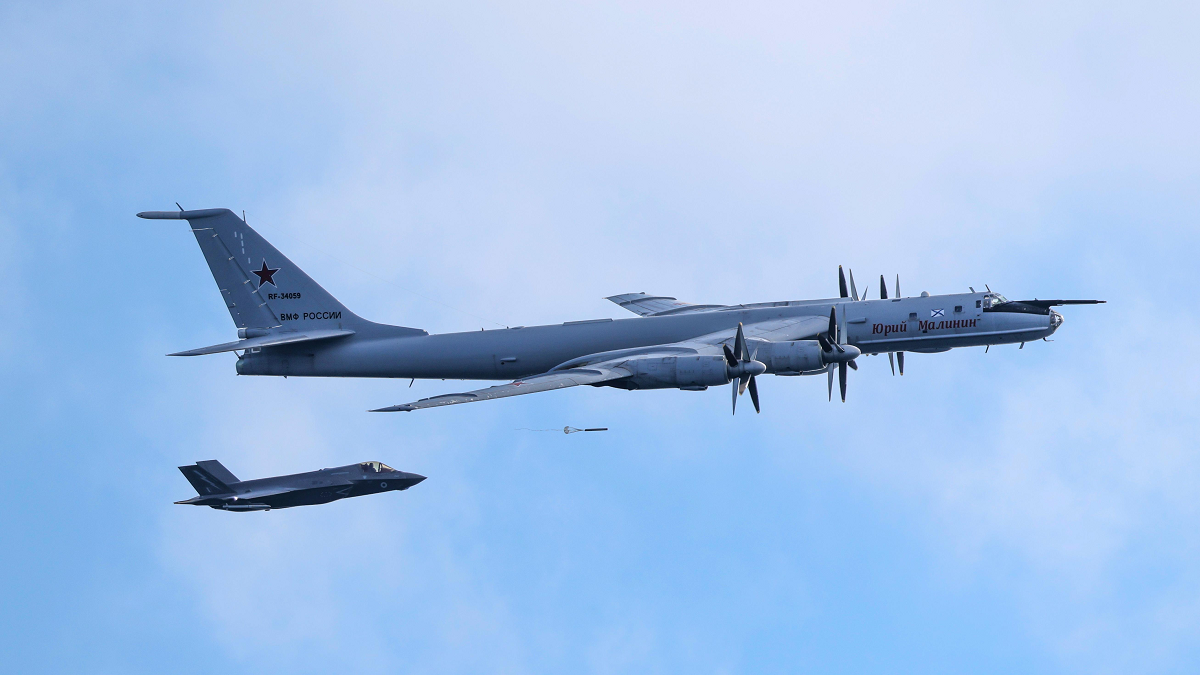
UK Fighter Jets Intercept Russian Aircraft Over Norwegian Sea
Ninoda.com – The UK’s fighter jets intercept Russian plane in a tense aerial encounter over the Norwegian Sea, marking a significant moment in NATO’s ongoing efforts to monitor Russian activity in the region. According to the Ministry of Defence (MoD), the interception occurred as a Russian maritime patrol aircraft approached a carrier strike group, prompting a response from British military forces. The incident took place on Thursday, with the Russian Bear-F plane flying at low altitude and drawing close to the HMS Prince of Wales, a key vessel in the group. The MoD reported that the aircraft dropped 10 sonobuoys into the water before being escorted away by two F-35 jets. This event underscores the growing military presence of Russia in the North Atlantic and highlights the UK’s role in maintaining NATO’s vigilance against potential threats.
Nato’s First Air Policing Operation from a European Carrier
This interception represents the first time NATO has conducted air policing operations from a European-based aircraft carrier, a milestone that reflects the alliance’s expanded strategic reach. The Carrier Strike Group, currently operating off the coast of Iceland, is composed of the HMS Prince of Wales, the Type 45 destroyer HMS Duncan, and a mix of F-35 jets, Merlin helicopters, and Wildcat helicopters. The group is also supported by the RFA Tidespring, a replenishment tanker that ensures sustained operations at sea. As part of this mission, the UK fighter jets intercept Russian plane was a critical step in demonstrating NATO’s ability to respond to transboundary challenges, even in the North Atlantic.
The UK fighter jets intercept Russian plane was preceded by attempts to communicate with the Russian aircraft using international frequencies, a standard procedure to de-escalate tensions. However, the Russian plane did not respond, leading to the deployment of two F-35 jets to escort it. The decision to intercept was based on the aircraft’s proximity to the carrier strike group, which was deemed a potential risk to NATO operations. This incident highlights the importance of air policing in maintaining situational awareness and deterring hostile actions by Russia in its increasingly assertive moves across the region.
Defence Investment and Political Context
The Defence Secretary, Dan Jarvis, visited the HMS Prince of Wales earlier this week, emphasizing the UK’s commitment to a “dangerous and uncertain” security environment. In a
quote
, he stated, “Deployments like this, backed by allies including Iceland, strengthen NATO’s deterrence and readiness.” The UK fighter jets intercept Russian plane incident has drawn attention to the broader implications of defence investment, as the government unveiled a delayed £15bn military spending boost funded by cuts in other departments. Critics argue that while the increase is welcome, it may not be enough to fully counter Russia’s growing influence in the region.
Opposition MPs and military officials have criticized the Defence Investment Plan, calling it a “mess” for the incoming prime minister. Shadow Defence Secretary James Cartlidge pointed to the UK fighter jets intercept Russian actions as evidence of the need for more robust funding. Meanwhile, the MoD has accused Moscow of conducting “unsafe and unprofessional” maneuvers, noting that this incident follows a Royal Marines operation that boarded a Russian shadow fleet oil tanker in the English Channel. The repeated interactions between UK and Russian forces in recent weeks suggest a pattern of escalation, raising concerns about potential conflicts in the region.
Strategic Significance and Future Outlook
The interception of the Russian aircraft over the Norwegian Sea has strategic significance, as it reinforces NATO’s ability to project power in the North Atlantic. The event also aligns with Russia’s efforts to assert control over maritime routes, particularly those near Iceland and the UK. Analysts note that such operations are part of a broader Russian strategy to test NATO defences, with the Bear-F aircraft serving as a tool for surveillance and intimidation. The UK fighter jets intercept Russian plane was not an isolated incident but part of a series of moves by Moscow to challenge Western military presence.
Chief of the Defence Staff Sir Richard Knighton has highlighted that Russia continues to “probe, challenge, and test our defences,” escalating risks as it “raises the stakes and crosses a line.” NATO has warned that the threat from Russia may intensify by 2030, urging member states to strengthen their collective preparedness. The UK’s role in this scenario is pivotal, with its carrier strike group acting as a mobile hub for rapid response capabilities. The intercept underscores the importance of integrated NATO operations and the UK’s strategic position in the alliance’s efforts to safeguard European and Atlantic security.
The incident has also sparked discussions about the future of NATO’s air policing strategy. With Russia’s military activities expanding, the UK fighter jets intercept Russian plane serves as a reminder of the need for continuous readiness and adaptability. As tensions rise, the ability of NATO to respond swiftly to such threats will be crucial in preventing larger conflicts. The Norwegian Sea, a vital transit route for global trade and military operations, has become a focal point for these confrontations, underscoring the importance of maintaining a strong presence in the region.