
Ukraine hits major oil terminal in Russia’s St Petersburg

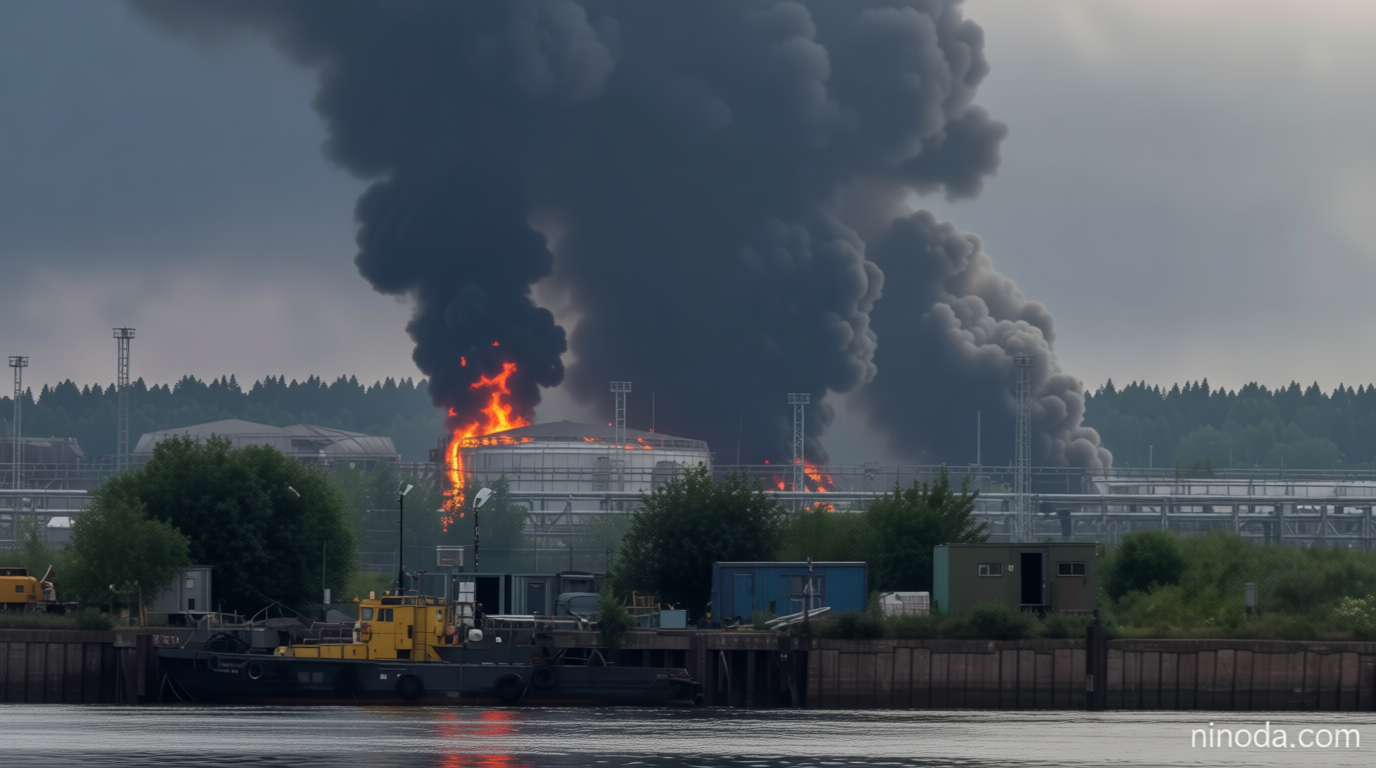
Ukraine Targets Russian Oil Terminal in St Petersburg
Ninoda.com – Ukraine has launched a significant attack on a key oil terminal in St Petersburg, Russia’s second-largest city, according to statements from President Volodymyr Zelensky. The operation, which he described as a strategic move, targeted one of the largest oil facilities in the country, disrupting critical infrastructure that supports Russia’s energy and military operations. The focus keyword “Ukraine hits major oil terminal” underscores the scale of the assault, which has drawn international attention amid ongoing tensions between the two nations. The attack occurred during a period of heightened military activity, with Ukrainian forces aiming to weaken Russia’s logistical capabilities in a region vital to its fuel supply chain.
Strategic Significance of the St Petersburg Terminal
The oil terminal in St Petersburg, located near the Neva River, plays a crucial role in Russia’s energy infrastructure. It serves as a major hub for refining and distributing petroleum products, supplying both domestic markets and export routes to Europe. Ukraine’s strike, which involved a combination of drone and missile attacks, reportedly damaged key processing units and storage tanks, according to preliminary assessments. This disruption could impact Russia’s ability to maintain fuel production levels, potentially affecting its war efforts in Ukraine and its broader economic stability. The focus keyword “Ukraine hits major oil terminal” highlights the facility’s importance as a target in the ongoing conflict.
“This attack demonstrates Ukraine’s capability to strike deep into Russian territory, targeting infrastructure that is essential for their military operations,” said a military analyst from the UK-based think tank Chatham House. The terminal’s location in St Petersburg, a city with a strategic military presence, further amplifies the significance of the strike. Analysts suggest that the attack could be part of a larger campaign to pressure Russia’s energy sector, which has been a critical component of its wartime economy.
Operational Details and Immediate Consequences
The attack was carried out using a mix of precision-guided munitions and drones, which are increasingly being used in modern warfare for their ability to bypass traditional air defenses. St Petersburg Governor Aleksandr Beglov confirmed that 72 drones were intercepted in the Leningrad region during the assault, with no immediate casualties reported. However, the city’s residents and businesses faced potential disruptions, including temporary internet outages and localized power cuts. The focus keyword “Ukraine hits major oil terminal” appears in the context of the attack’s strategic timing, as it coincided with a major NATO summit in Turkey, where energy security was a key discussion point.
According to Ukrainian military sources, the terminal was one of the most vulnerable points in Russia’s energy network, given its proximity to key transportation routes. The damage to the facility, combined with ongoing strikes on other critical infrastructure, could force Russia to divert resources to repair its energy systems, potentially weakening its ability to sustain operations in Ukraine. The BBC, which confirmed the strike, noted that while the full extent of the damage remains under investigation, the attack has already raised concerns about the long-term impact on Russia’s fuel exports.
Geopolitical Implications and Future Prospects
The attack on the St Petersburg oil terminal is part of a broader strategy to target Russia’s energy resources, which have become a focal point in the war. By striking such facilities, Ukraine aims to reduce Russia’s economic leverage and increase pressure on its government to negotiate or shift its focus from the conflict. This approach aligns with Zelensky’s recent emphasis on targeting infrastructure to undermine Russia’s ability to fund its military campaigns. The focus keyword “Ukraine hits major oil terminal” reinforces the deliberate nature of these strikes, which are designed to maximize strategic impact.
Russian officials have responded to the attack by accusing Ukraine of escalating the conflict and targeting civilian assets. Defense Minister Sergei Shoigu stated that the assault would “compel Russia to take decisive action to protect its territory and vital industries.” The incident has also reignited debates about the role of energy in the war, with some analysts suggesting that the attack could accelerate the shift toward alternative energy sources in Europe. As the situation unfolds, the focus keyword “Ukraine hits major oil terminal” will likely remain central to discussions about the war’s evolving dynamics and its impact on global energy markets.