US envoys in Doha to meet mediators but not Iranians, Qatar says

US Envoys in Doha to Meet with Regional Mediators, Not Iranian Officials, Qatar Says
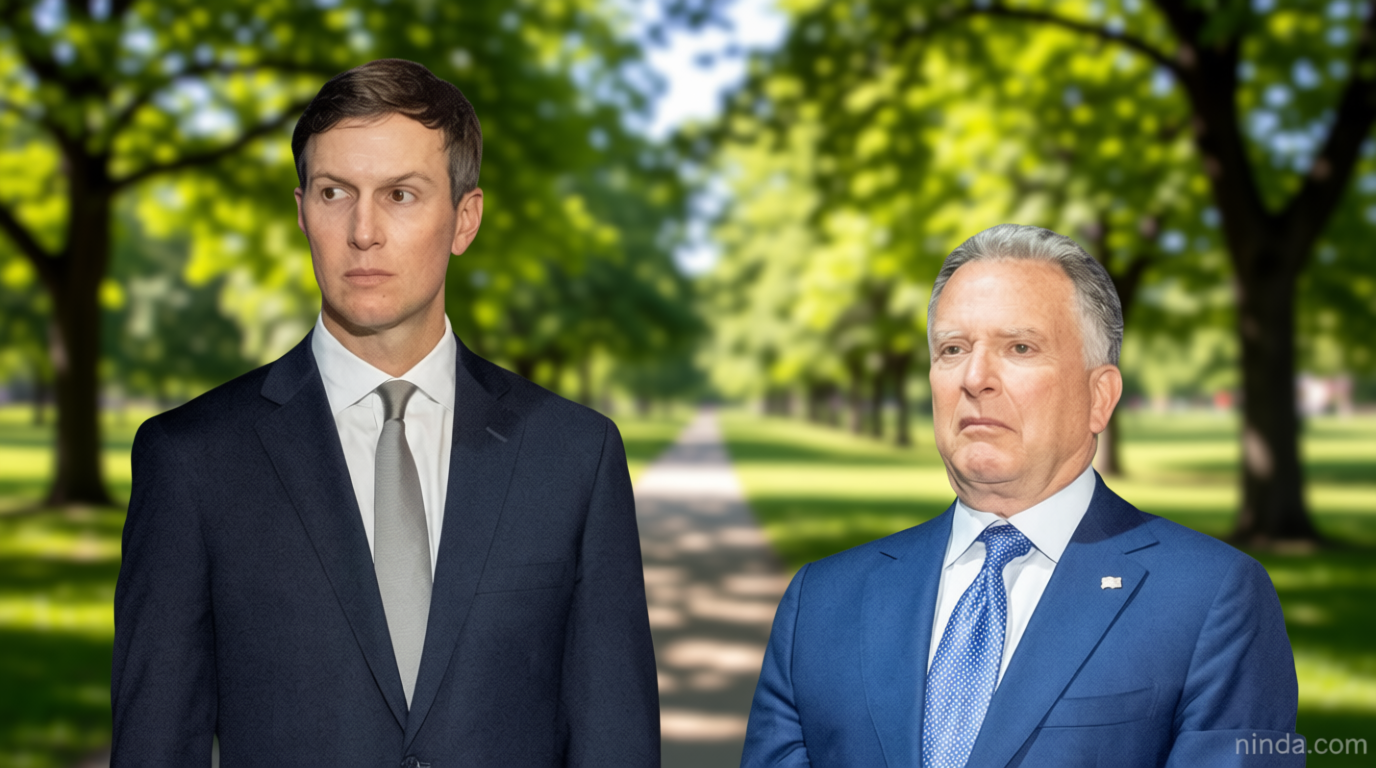
Ninoda.com – The US has dispatched envoys to Doha for a series of strategic discussions with regional mediators, with Qatar clarifying that direct meetings with Iranian officials are not part of the agenda. According to Qatar’s foreign ministry spokesman, Majed al-Ansari, the envoys—Jared Kushner and Steve Witkoff—have arrived in the capital to engage with intermediaries on pressing regional issues. This move underscores the United States’ commitment to resolving ongoing tensions in the Gulf, particularly following recent hostilities between Iran and the US. Al-Ansari emphasized that the focus of these meetings will remain on broader regional concerns, including negotiations with Lebanon and other Gulf states, rather than direct talks with Tehran.
Strategic Context of the Doha Meetings
While the US envoys in Doha to meet with mediators, their presence reflects a shift in the approach to diplomatic engagement in the region. The decision to avoid direct Iranian participation comes amid a fragile ceasefire agreement between the US and Iran, which was recently brokered through negotiations involving Qatar and Pakistan. Al-Ansari noted that the meetings are intended to reinforce this agreement and address lingering disputes that threaten to destabilize the Gulf. This strategy allows the US to work closely with regional allies while maintaining a balanced stance in its dealings with Iran.
Blockquotes from officials highlight the deliberate exclusion of Iranian representatives. “The talks will be around all regional issues which are of concern, including, of course, the negotiations with Iran, but also including Lebanon and other files in the region,” al-Ansari explained. “So, they are not here for direct negotiations with the Iranians or related meetings.” This statement reinforces Qatar’s role as a neutral mediator, aiming to facilitate dialogue without appearing to favor one side over the other.
Strait of Hormuz Dispute and the Memorandum of Understanding
The current diplomatic efforts in Doha follow a significant four-day exchange of strikes over the Strait of Hormuz, which intensified tensions between the US and Iran. The conflict began with Iran targeting a cargo ship, prompting a retaliatory response from the United States. This incident risked derailing a preliminary agreement to end the four-month war involving the US, Israel, and Iran. Qatar and Pakistan played a pivotal role in brokering a memorandum of understanding (MoU) two weeks prior, which mandated the suspension of military operations and the reopening of the strategic waterway.
“No meeting at any level with the American side has been scheduled for the coming days,” stated Iran’s Foreign Ministry spokesman, Esmail Baqai, in a news conference in Tehran. “Iran would do whatever is necessary to safeguard its interests over the Strait of Hormuz and implement related provisions in the MoU.”
The MoU also set a 60-day deadline for the parties to finalize a comprehensive deal covering Iran’s nuclear program, US sanctions, and a lasting ceasefire. Although initial talks in Switzerland showed progress, the agreement did not fully resolve all disputes, leaving room for renewed conflict. On Sunday night, a US official announced that both sides would “stand down for now,” allowing vessels to “move freely” around the strait while technical discussions continue. This temporary truce aims to stabilize the region and provide time for further negotiations.
Despite the MoU’s provisions, Iran’s deputy foreign minister, Kazem Gharibabadi, contradicted the US’s statement, asserting that no technical talks are planned this week. However, US President Donald Trump claimed Iran had requested a meeting in Qatar on Tuesday, leading to the deployment of Witkoff and Kushner. Al-Ansari clarified that the envoys’ primary objective is to discuss the MoU with mediators, not to engage in direct negotiations with Iranian representatives. He also noted that the release of $6 billion from $12 billion in Iranian assets frozen in Qatar hinges on unresolved talks.
The US envoys in Doha to meet with mediators have signaled a cautious yet proactive approach to regional diplomacy. By focusing on indirect engagement, the US aims to build consensus among Gulf states while keeping Iran’s position under scrutiny. This strategy could be a precursor to more extensive negotiations in the future, particularly as the MoU’s 60-day window approaches. Analysts suggest that the meetings in Doha may also serve to align US interests with those of its Gulf allies, ensuring a unified front in addressing shared security challenges.