Wreckage of Pan Am plane that shaped aviation safety found 74 years on

Historic Pan Am Aircraft Recovered After Three-Quarters of a Century
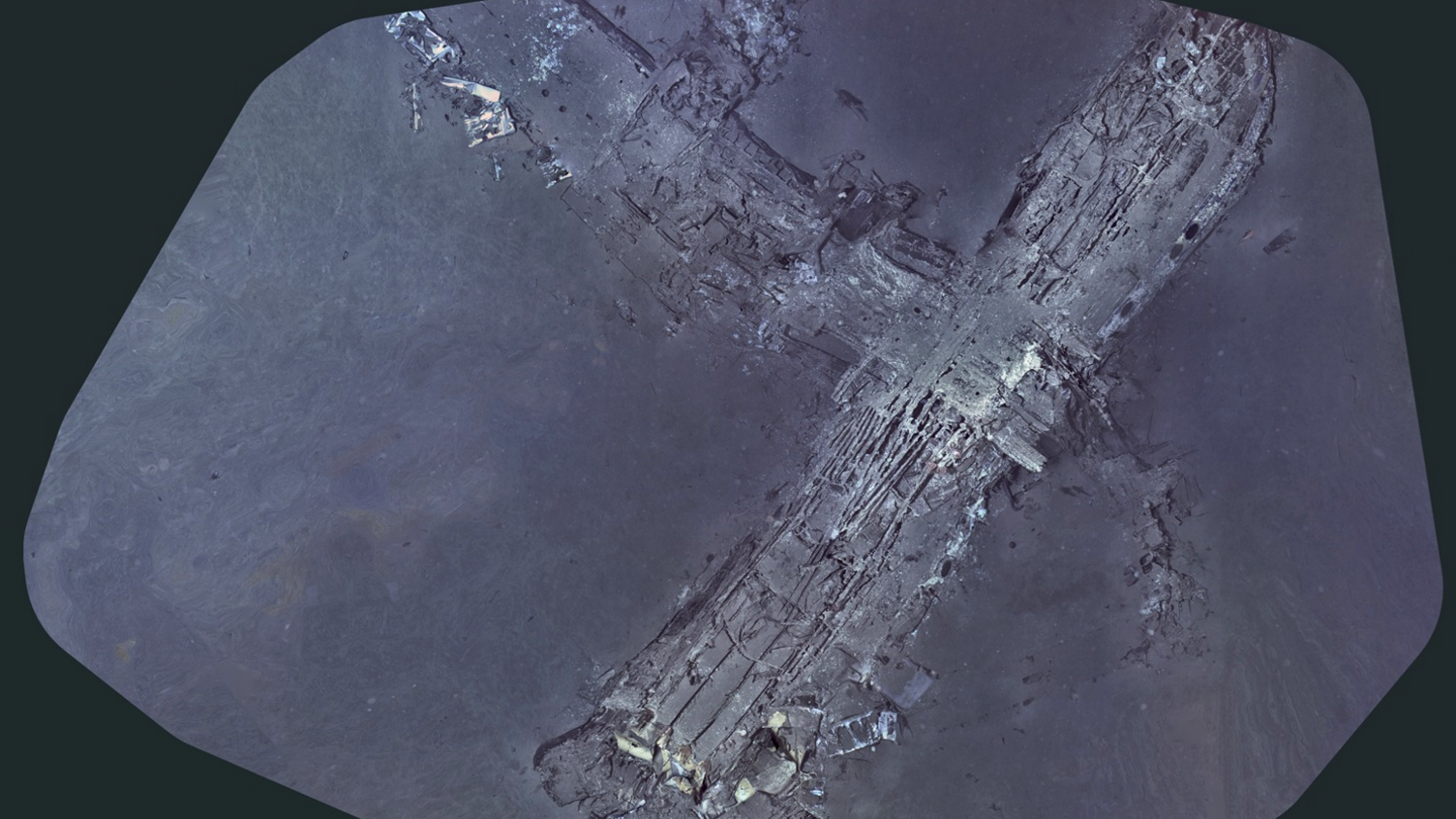
Ninoda.com – The remains of the Clipper Endeavour have been located more than seventy years following the aircraft’s disappearance from the skies. This Pan American Airways vessel was discovered resting 2,000 feet beneath the ocean surface near Puerto Rico, utilizing a drone equipped with sonar technology. The tragic incident occurred on April 11, 1952, when the plane experienced engine failures shortly after departing, ultimately plunging into the Atlantic waters.
While all individuals aboard survived the initial collision with the water, chaos erupted as passengers desperately searched for life vests and inflatable rafts during the rapid sinking. Only seventeen out of sixty-nine passengers and crew members managed to survive this maritime disaster. The subsequent reforms transformed aviation safety protocols worldwide, establishing compulsory pre-flight safety demonstrations for every commercial journey.
A Decades-Long Quest for Answers
Russ Matthews, a maritime explorer and historian, first learned about the crash in 2019 after discovering a luggage tag from the flight that had washed up on Florida shores. He expressed astonishment that such a significant event had nearly vanished from collective memory. Matthews began reconstructing the aircraft’s final moments by examining reports from the Civil Aeronautics Board, which preceded the Federal Aviation Administration.
The turning point arrived when researchers uncovered documentation from a Puerto Rico public hearing, including a hand-drawn map created by air force pilots who witnessed the emergency landing. This crucial evidence helped narrow the search zone considerably. Scientists combined historical records with weather data from that period to identify ten square nautical miles of seabed where the wreckage likely rested.
Modern Technology Reveals Hidden History
An earlier attempt to locate the remains in 2024 was abandoned due to unfavorable weather conditions, but Matthews remained committed to returning before the seventy-fifth anniversary of the tragedy. On June 2, a drone discovered the wreckage during its initial pass through the designated area. The aircraft had separated into two distinct sections during the descent.
A subsequent photographic survey confirmed the identity of the remains, revealing that both the Pan Am logo and the aircraft’s name remained visible on the fuselage. The expedition was coordinated by the Air/Sea Heritage Foundation alongside Discovery Channel’s Expedition Unknown program and various partner organizations.
“We are all stunned and elated by this discovery, yet also humbled to remember what happened in that place so long ago,” said Russ Matthews, president of the Air/Sea Heritage Foundation.
“Every time you step onboard an airplane today, you are safer because of what happened to Clipper Endeavor and her passengers three-quarters of a century ago,” said Expedition Unknown host Josh Gates.
Gates, who was present aboard the surface vessel when the wreckage appeared on monitors, described the experience as tremendous. The confusion that followed the water landing became instrumental in establishing modern regulations requiring improved flotation equipment and standardized preflight briefings, according to aviation safety expert John Cox.
Broader Implications for Aviation History
This remarkable discovery may provide renewed hope for families of passengers aboard other aircraft presumed lost at sea, particularly Malaysia Airlines Flight 370. That plane vanished twelve years ago with 269 people aboard and remains unlocated despite extensive searches throughout the Indian Ocean.
The findings will be highlighted in a special episode of Expedition Unknown scheduled for this autumn. The Clipper Endeavour was transporting sixty-four passengers and five crew members to New York when the pilot executed a violent emergency water landing, setting in motion changes that continue to protect travelers worldwide today.