Clarke leaves strong Scotland legacy but exit brings sense of relief

Clarke Leaves Strong Scotland Legacy But Exit Brings Sense of Relief
Ninoda.com – Steve Clarke’s tenure as Scotland’s national team manager has left an indelible mark on the country’s football history, cementing a legacy of progress and determination. His decision to step down, however, has sparked a mix of emotions among fans, with many expressing relief that the pressure of maintaining consistent results may finally ease. While his departure signals the end of an era, it also opens the door for a new chapter in Scottish football, one that could reshape the nation’s trajectory on the global stage.
A Manager’s Journey Through Challenges and Triumphs
Clarke’s journey with the Scotland squad has been one of perseverance in the face of adversity. After seven years of navigating the unpredictable world of international football, his exit comes as a culmination of both successes and setbacks. The manager’s strategic vision and ability to foster a sense of unity within the team were evident, particularly during the qualifying campaigns for major tournaments. Yet, the weight of expectations and the scrutiny that followed his appointment have left many questioning the sustainability of his approach.
His departure is not just a personal decision but a reflection of the broader challenges Scotland has faced in recent years. The Tartan Army, a passionate fanbase, has endured years of disappointment, often lamenting missed opportunities to qualify for the Euros or World Cup. Clarke’s efforts, however, have reignited hope, with his leadership being credited for revitalizing the national team’s competitive spirit and improving their performance in key matches.
The Legacy of Clarke’s Leadership and Tactical Innovations
Clarke’s impact on Scotland’s football landscape is undeniable. His management style, characterized by a focus on discipline and tactical adaptability, has transformed the team from a group of underachievers into a competitive force. The 2022 World Cup campaign, in particular, stands out as a testament to his ability to build momentum. After six consecutive competitive victories, Scotland secured a place in the tournament—a milestone that had been absent since 1930. This achievement, though not reaching the knockout stages, has been seen as a significant step forward.
Moreover, Clarke’s influence extended beyond results. His commitment to player development and youth integration helped establish a pipeline for future talent. By emphasizing teamwork and resilience, he cultivated a culture that resonated with supporters, even as the team faced setbacks. The final game of that campaign, where Scotland fell short of their goals, was met with a mix of pride and disappointment, highlighting the dual nature of his legacy: one of progress and one of unfulfilled potential.
“People can scoff at that now, but they have short memories.”
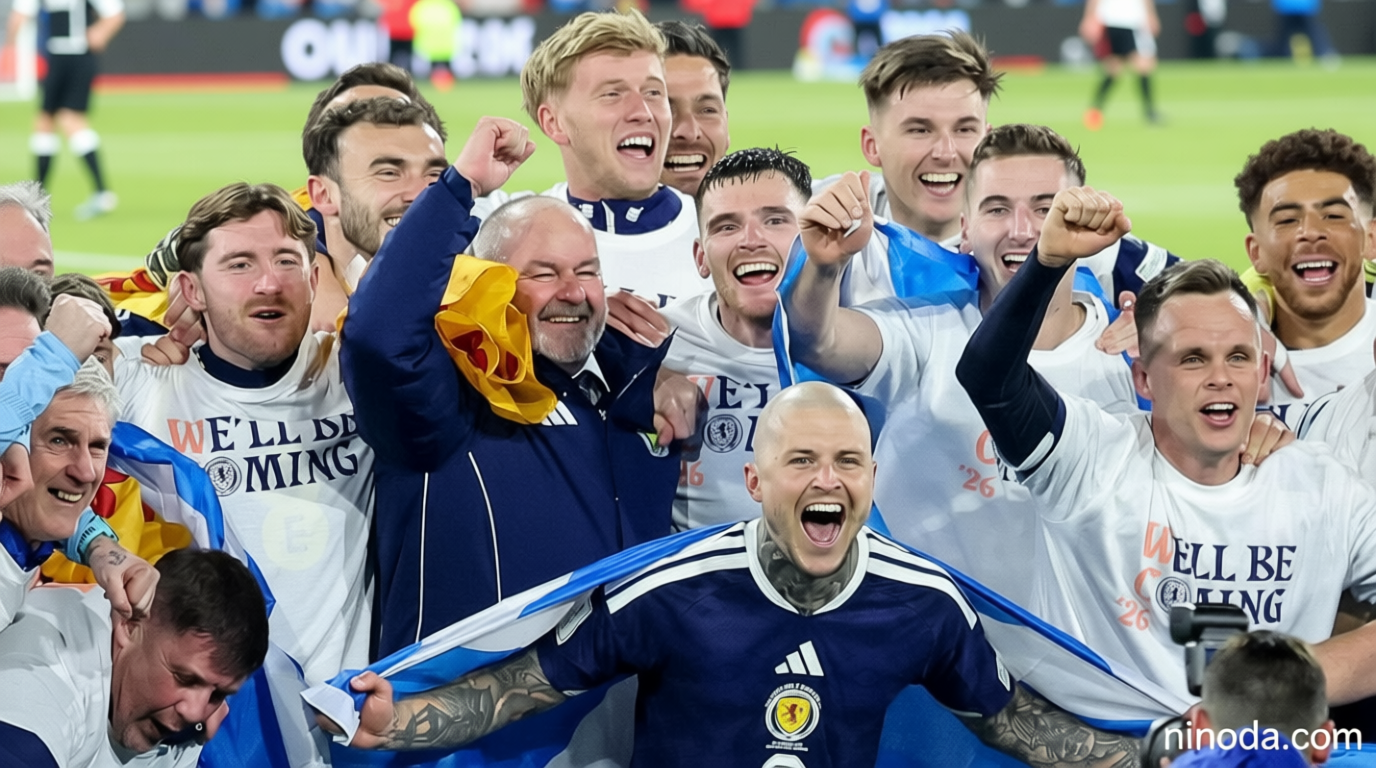
Clarke’s legacy is not only measured by his on-field success but also by the renewed enthusiasm he generated among Scottish fans. His ability to connect with supporters, even during moments of frustration, has left a lasting impression. The 2022 World Cup journey, marked by historic penalty shoot-out wins and a record-breaking run, demonstrated that Scotland had the capacity to compete at the highest level. Yet, the final qualification was a bittersweet moment, underscoring the challenges that remain in achieving sustained success.
Transitioning to a New Era: Opportunities and Uncertainties
With Clarke’s resignation, the Scottish Football Association now faces the daunting task of finding a successor who can carry forward his vision. The manager’s departure has been met with mixed reactions: some view it as a necessary change, while others mourn the loss of a leader who brought stability and direction to the national team. As the new manager takes charge, the challenge will be to build on Clarke’s foundations while addressing the lingering questions that his exit has raised.
The six Nations League fixtures between September and November present a crucial test for the incoming manager. This period could either validate Clarke’s legacy or set the stage for a new era of progress. While the Tartan Army may feel a sense of relief, they are also eager to see how the team will adapt to a different leadership style. The next few months will be pivotal in determining whether the momentum Clarke built can be maintained or if a new approach is needed to reinvigorate Scotland’s fortunes.
Clarke’s tenure has also left a financial and administrative legacy. His ability to attract media attention and fan engagement boosted the Scottish FA’s profile, leading to increased investment in the national team. The support from sponsors and the broader football community has grown under his leadership, providing a solid base for future development. Whether this legacy will be sustained depends on the new manager’s capacity to build on Clarke’s work and navigate the complexities of international football.