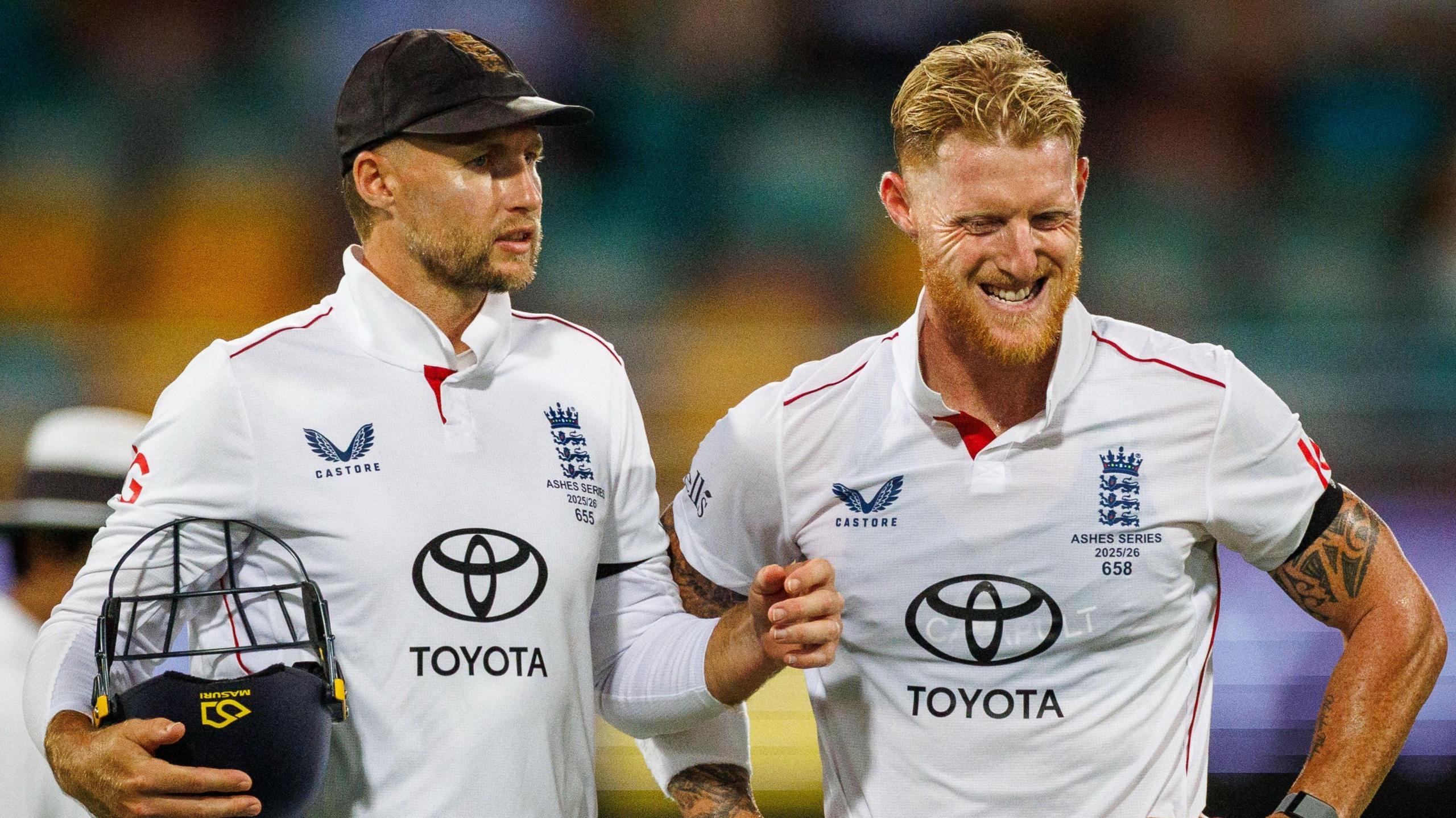
Could it work if Verstappen wanted to go to McLaren? F1 Q&A

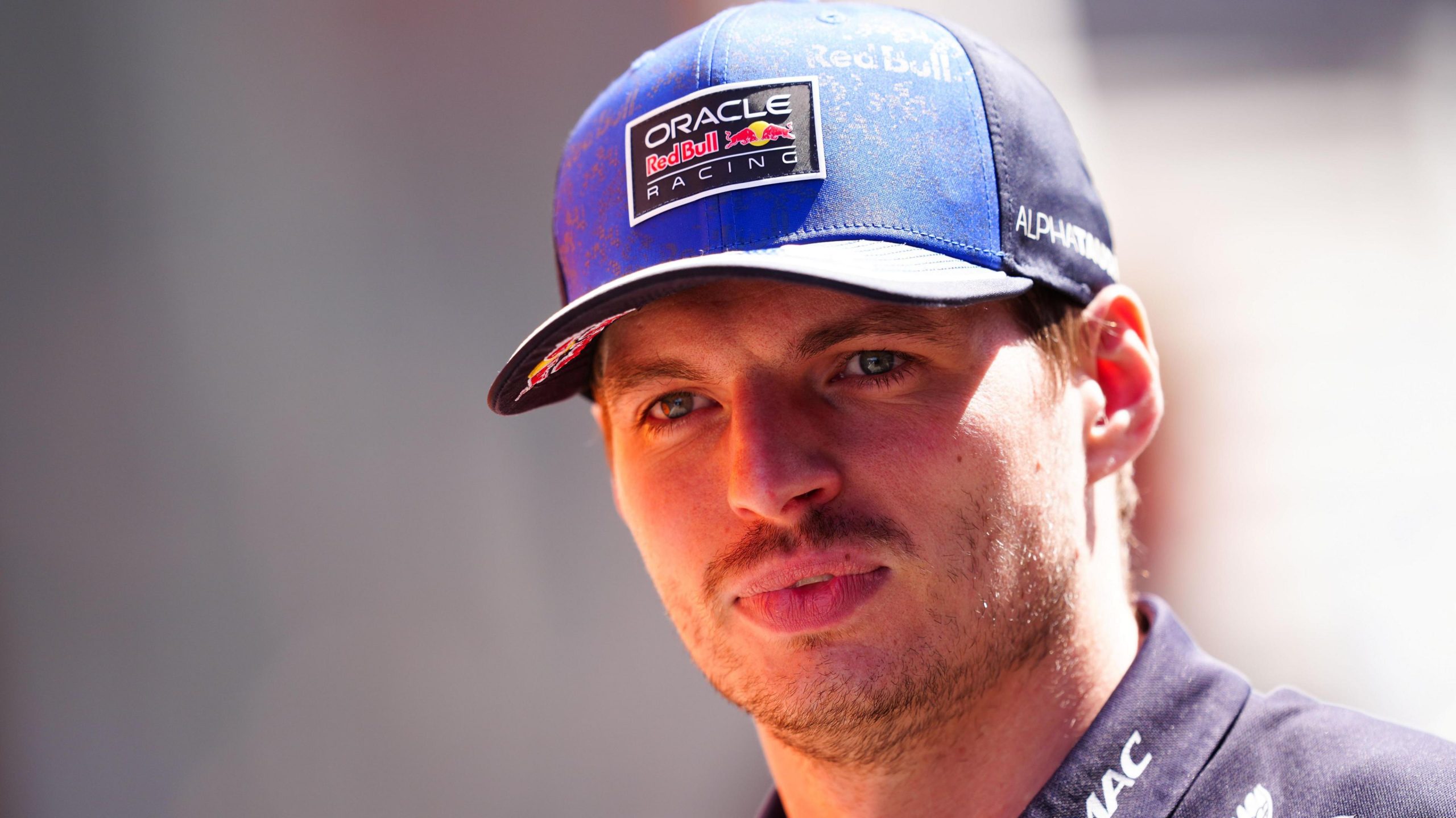
Could it work if Verstappen wanted to go to McLaren? F1 Q&A
Verstappen’s Potential Move to McLaren
Ninoda.com – Could it work if Verstappen wanted to switch teams? Max Verstappen, the 2021 and 2022 Formula 1 world champion, has spent his entire career with Red Bull Racing since joining Toro Rosso in 2015. His meteoric rise to prominence, marked by a dominant driving style and consistent championship success, has made him a household name in motorsport. However, as the 2023 season progresses, questions about his potential move to McLaren have resurfaced. This possibility is not only intriguing for fans but also raises broader discussions about team dynamics, competitive balance, and the evolving landscape of Formula 1.
“Verstappen’s move to McLaren would be a seismic shift in the sport’s power structure. He has long been associated with Red Bull, but his ambition, technical skill, and adaptability suggest he could thrive in any environment. However, would his arrival disrupt McLaren’s existing strategy, particularly as they seek to close the gap with Red Bull and Mercedes in the midfield battle?”
Verstappen’s current contract with Red Bull Racing runs until 2028, but a clause in his agreement allows for early exit if certain performance benchmarks are met. This clause, which activates in October 2023, has sparked speculation about his future. While his representatives have not confirmed any formal talks with McLaren, the Dutch driver’s history of challenging team decisions—such as his criticism of the Monza race format in 2022—suggests he might not hesitate to pursue a new opportunity. The question remains: Could it work if Verstappen were to join McLaren, and how would this affect the team’s trajectory?
McLaren’s Challenges and Opportunities
McLaren, a historic team with a storied legacy, has struggled to maintain its competitive edge in recent years. Despite its strong technical foundation, the team has faced challenges in adapting to the 2022 rule changes, which emphasized aerodynamic efficiency and power unit performance. This has left them in a tight midfield battle, often outpaced by Red Bull and Mercedes. Verstappen’s potential move could offer a fresh perspective, especially given his familiarity with high-speed circuits and his ability to extract maximum performance from his car.
“Verstappen’s presence at McLaren could bring a blend of raw talent, strategic acumen, and racecraft that the team has been craving. However, his integration would depend on how well he aligns with the team’s long-term vision. Could it work if Verstappen were to partner with Lando Norris, a driver known for his consistency and adaptability? The synergy between the two could be a game-changer, but it would also require careful management of team orders and race strategy.”
McLaren’s CEO, Zak Brown, has expressed confidence in his current drivers, Lando Norris and Daniel Ricciardo, and has stated that discussions with Verstappen’s representatives have not yet led to a concrete agreement. This sentiment reflects the team’s cautious approach, as they aim to retain key personnel and avoid destabilizing their operations. Yet, the question of whether Verstappen could work for McLaren remains central to the narrative, as his experience and track record could provide the edge needed to challenge for top positions.
Driver Longevity and Modern F1 Evolution
Verstappen’s potential move to McLaren also brings to light broader conversations about driver longevity and the impact of evolving technology on performance. While aging drivers like Lewis Hamilton and Fernando Alonso have shown that physical stamina is not the only factor in success, the modern F1 car’s design has significantly reduced the physical demands of the sport. Tyre management, hybrid power units, and advanced aerodynamics mean that drivers can maintain peak performance over longer races without the same level of physical strain as in the mid-2000s.
“However, the mental and tactical demands of F1 have not diminished. Verstappen’s ability to adapt to new strategies, his fierce competitiveness, and his experience in high-pressure situations could be invaluable. Could it work if Verstappen joined McLaren at a time when the team is still building its competitive framework? His leadership and championship pedigree might inspire a cultural shift, helping to elevate the team’s standing in the standings.”
McLaren’s current partnership with Honda has been a mixed bag, with the team often relying on reliability and strategic decisions to compete. Verstappen’s arrival could not only provide a performance boost but also serve as a catalyst for innovation within the team. His high-level technical understanding, honed through years of working with Red Bull’s engineers, might help McLaren optimize their car’s performance and fine-tune race strategies to better suit the Dutch driver’s strengths.
McLaren’s future in Formula 1 hinges on its ability to balance tradition with modernization. Verstappen’s potential move could be a pivotal moment, as it would mark a departure from their current driver lineup and signal a new era of competitiveness. The question of whether this change could work remains open, but the implications for the team’s long-term success are significant.