How can athletes play with ICDs, and what happens when one goes off?

How Can Athletes Play with ICDs, and What Happens When One Goes Off?
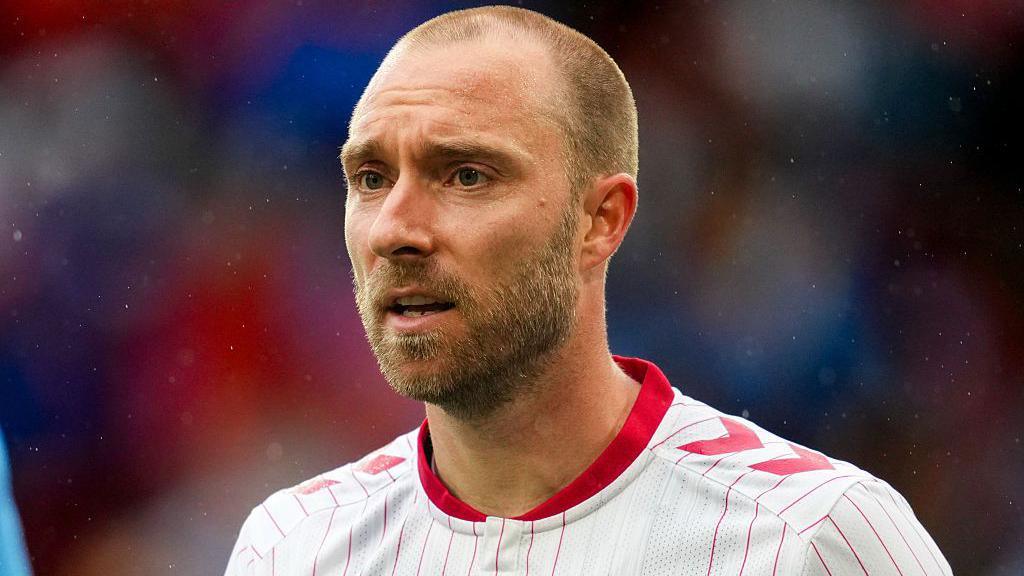
Ninoda.com – In a heart-stopping moment during Denmark’s 2-1 friendly against Ukraine, Christian Eriksen’s collapse was a stark reminder of the risks athletes face with implantable cardioverter defibrillators (ICDs). The device, placed in his chest, is designed to monitor and correct heart rhythms, yet its activation during a match raised questions about safety and resilience in elite sports.
The Role of ICDs in Cardiac Health
An ICD, roughly half the size of a mobile phone, is typically used for conditions like heart failure, coronary disease, or arrhythmias. It can deliver a shock to restart the heart if it stops or to stabilize irregular rhythms. “The pacemaker responded as it should,” noted Denmark’s national team doctor Morten Boesen during the incident. This device has become a lifeline for many athletes, enabling them to return to play despite past cardiac events.
Following his cardiac arrest in June 2021 while playing for Inter Milan in Serie A, Eriksen was initially barred from competition in some leagues. However, he gradually resumed play with Brentford and later Manchester United, where individual assessments determine eligibility. “I don’t see any risk,” he told BBC Sport in 2022. “If anything happens, I’m safe.”
Medical Decisions and Athlete Agency
Dr. Amanda Lahti, a sports medicine specialist, explains that ICDs allow athletes to continue competing, though decisions are made collectively with input from clubs, players, agents, and medical experts. “It’s a shared decision model,” she said. “Athletes often choose to take the risk, as they’re unwilling to retire.”
While ICDs are now considered reliable, they aren’t foolproof. “There’s no guarantee you’ll survive,” Lahti added. The device’s effectiveness depends on the individual’s condition and the sport’s rules. For instance, the Bundesliga and UEFA permit ICD use, but leagues like Serie A have stricter restrictions.
Experiences with ICDs: Risks and Realities
James Taylor, a former England cricketer, shared his own encounter with an ICD. After being diagnosed with a genetic heart condition, he faced an unexpected shock during a performance. “It was like a mini explosion in my chest,” he described. “I was conscious but didn’t remember much afterward.”
“Rather than being scared, treat it as a friend,” Taylor said. “It can save you, even if it surprises you.”
Taylor also recounted an incident where his ICD misfired, triggered by a pool pump’s motor. “It thought my heart was racing at 500 beats per minute,” he explained. “It was actually the pump, but the device worked as intended.”
Eriksen’s journey highlights how athletes adapt to ICDs, balancing risk and reward. While the technology has evolved, the emotional impact of a sudden shock remains profound, shaping both medical and personal narratives in sports.