How football united behind Doku after childbirth criticism

How Football United Behind Doku After Childbirth Criticism
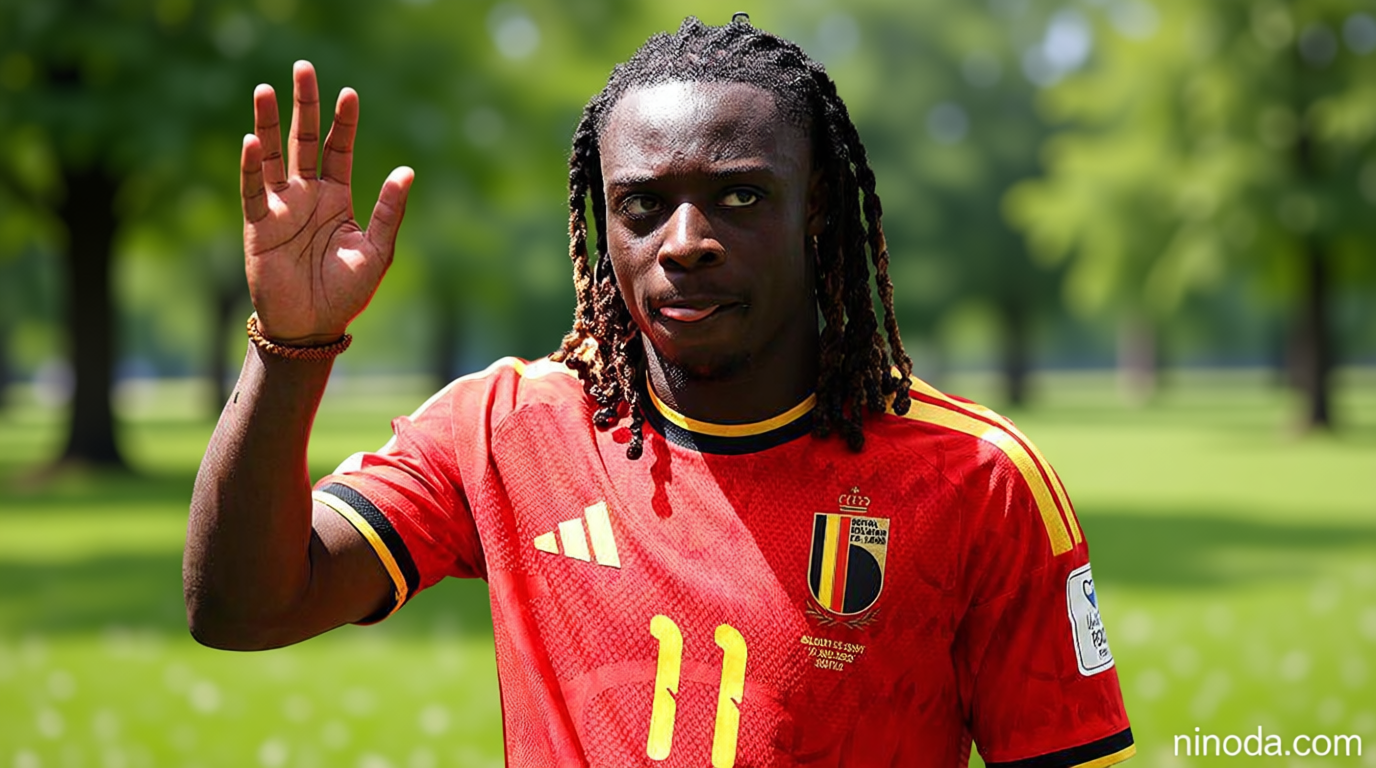
Ninoda.com – When Jeremy Doku, the 24-year-old Manchester City winger, chose to miss a Belgium international match to support his partner during childbirth, the football world responded with an outpouring of solidarity that transcended borders and positions. The decision, which sparked a wave of support among players, coaches, and fans, became a symbol of how the sport is increasingly recognizing the importance of family moments in the lives of athletes. Doku’s absence from the squad, a move that drew initial scrutiny from some critics, ultimately reinforced a broader narrative about the balance between professional commitments and personal milestones in football.
How Football United Behind Doku in Response to Childbirth Debate
The controversy began when France Pierron, a French media personality, criticized Doku for missing the Belgium vs. Iran World Cup encounter to be with his partner during her labor. Pierron described the situation as “disgusting,” labeling the player “completely useless” during such a critical moment. However, the backlash was short-lived. Within hours, L’Equipe, the French publication she represented, issued a public apology, clarifying that Pierron’s remarks were an isolated opinion rather than an official stance. The incident not only highlighted the power of public opinion but also revealed how quickly the football community can unite in defense of its players.
“If you ask me what I want, my answer is that nobody wants to miss the birth of their first child,” Doku said in an interview with Reuters. “But I also know that football involves many other considerations. I know the federation supports its players and understands their situations. We’ll see what we can do.”
Supporting Doku: A Shift in Cultural Norms
Players across the globe, including England’s Ollie Watkins, who is also a father of two, echoed Doku’s decision, emphasizing the emotional significance of being present for a child’s birth. Watkins stated, “It only happens once—welcoming your first child to the world. Missing that would be tough, and I see where he’s coming from.” This sentiment was further amplified by the Professional Footballers’ Association (PFA), which highlighted the need for flexibility in scheduling to accommodate family events. A PFA representative noted, “Players should not be penalized for fundamental life events. Supporting them as people, not just athletes, is key to fostering a healthy work environment.”
The reaction from fans and media was equally resounding. Social media platforms flooded with messages of encouragement, with many highlighting the pride players feel in their personal achievements. Critics initially focused on the professional implications, but the majority of voices soon shifted to celebrating Doku’s choice. This shift underscores a growing awareness in football that personal moments, such as childbirth, are as vital as professional ones. As a result, the narrative around Doku’s decision evolved from one of criticism to one of collective appreciation for his priorities.
Historically, male athletes have often faced scrutiny for missing matches due to personal reasons. However, Doku’s case has marked a turning point in how football embraces these moments. For example, Fabian Delph took time off from the 2018 World Cup to be with his newborn daughter, while David Silva missed two Manchester City games after his son’s premature birth. These instances, though not as widely publicized, contributed to a gradual normalization of family-centric decisions in football. The pandemic further accelerated this trend, as players like David de Gea were granted extended leave for his partner’s childbirth in 2021.
A New Era of Player-Centric Football
With Doku’s decision becoming a focal point, the football community has begun to redefine what it means to be a professional athlete. The event sparked discussions about the role of emotional support in sports, with players and fans alike advocating for policies that allow for greater flexibility in scheduling. This has led to calls for standardized paternity leave policies, similar to the 14 weeks of paid maternity leave mandated by FIFA. While such measures are still in development, Doku’s stance has inspired a movement toward valuing family moments as integral to an athlete’s identity.
As the sport continues to evolve, the solidarity shown for Doku serves as a reminder of the human side of football. His choice to prioritize his partner’s childbirth over international duty not only sparked a global conversation but also reinforced the idea that athletes, like all individuals, must balance their careers with personal milestones. This balance, once seen as a weakness, is now being recognized as a strength in an era where emotional intelligence and family support are increasingly valued. The incident has set a precedent, showing that how football united behind Doku could become a model for future decisions in the sport.