I’ve been a World Cup official – I promise you there is no favouritism

FIFA’s Referees Stand by Their Decisions: No Bias in World Cup Final
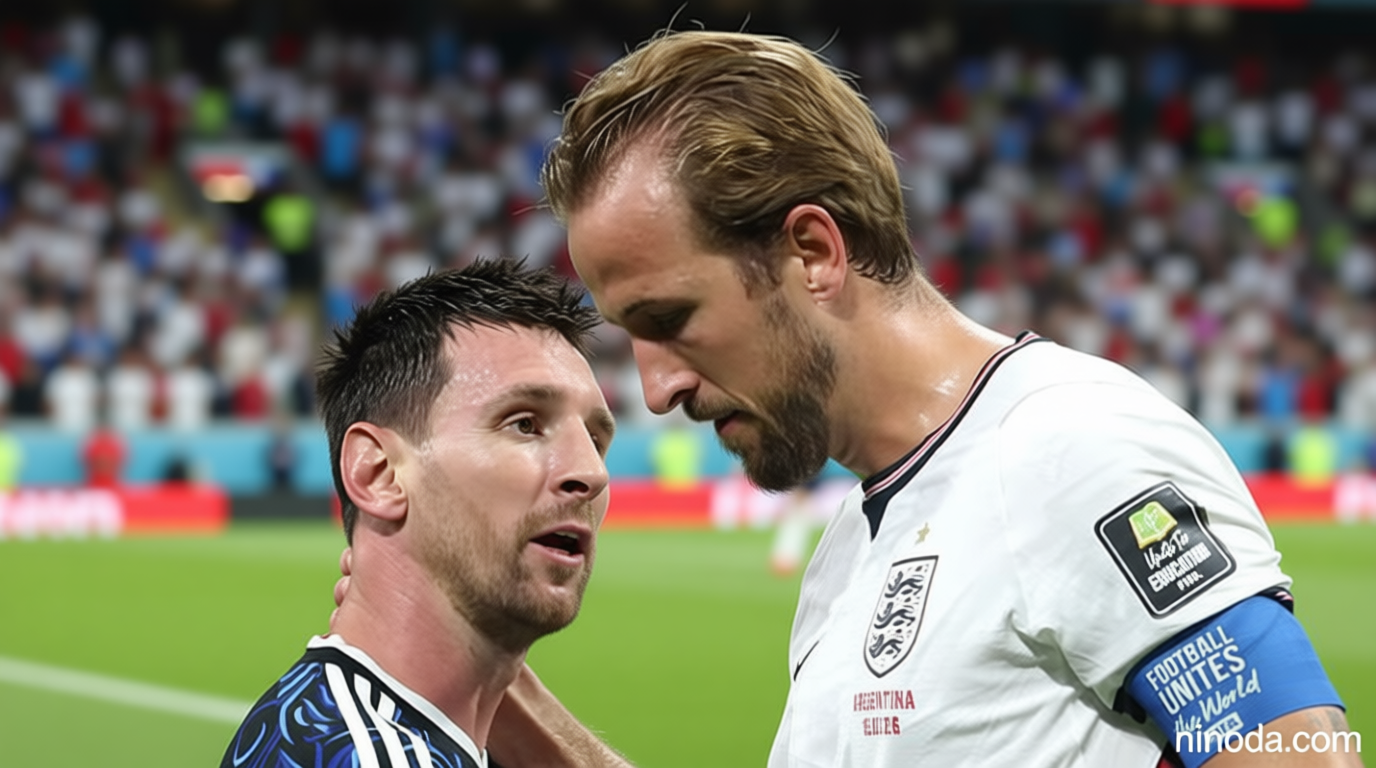
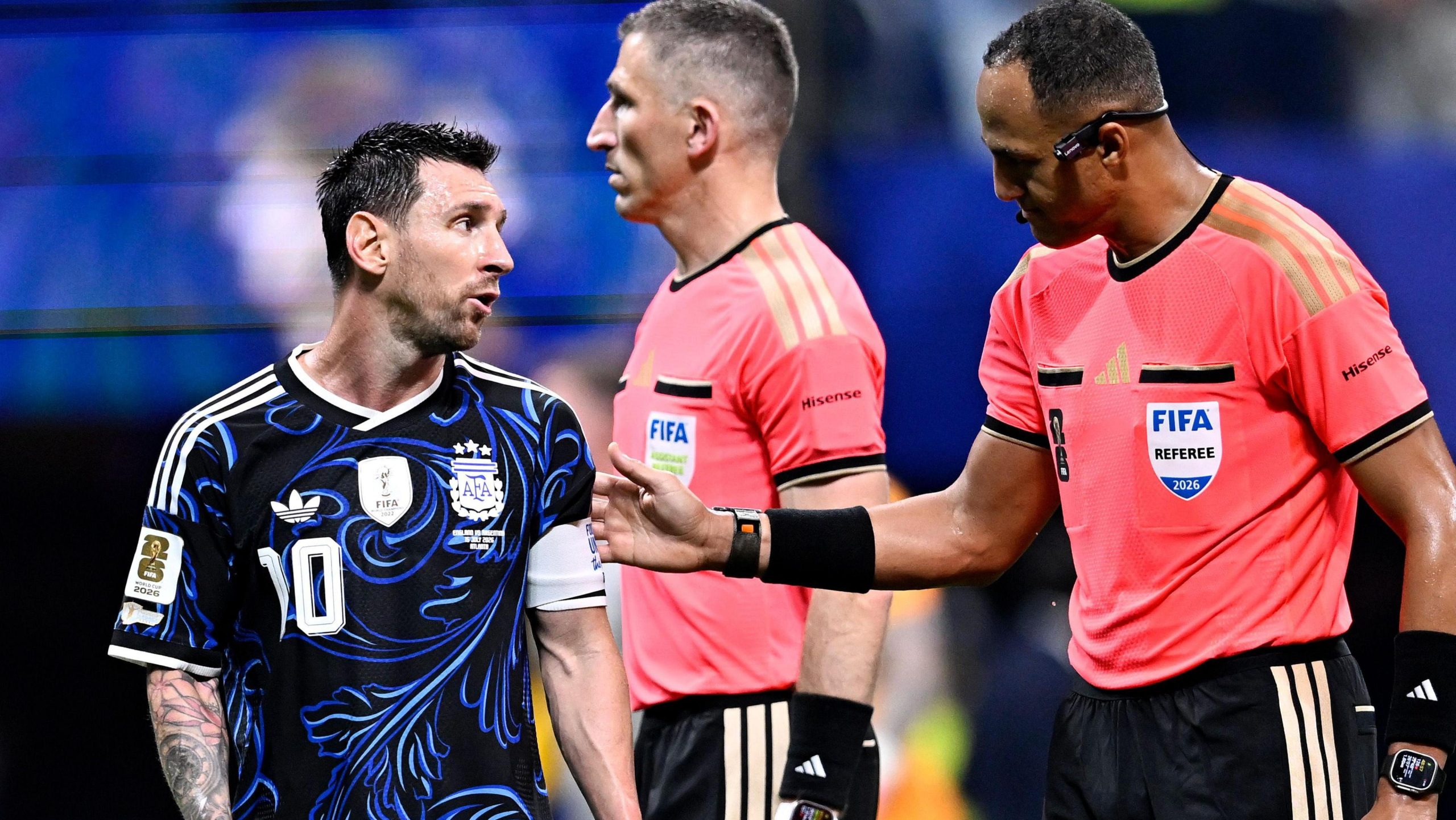
Ninoda.com – Lionel Messi will face Spain in Sunday’s World Cup final, with Argentina set to compete against them. Despite claims circulating online and among fans, many suggest that FIFA has a hidden agenda to ensure Argentina’s victory, with officials allegedly complicit in the plan. However, as someone who has worked in the World Cup arena, I can confidently say these allegations are unfounded.
Experiences from the Field
During my time as an assistant referee in 2010 and 2014, I was part of a team that included referee Howard Webb and fellow official Michael Mullarkey. We operated independently, making decisions based on what we saw on the pitch, without any interference from FIFA’s higher-ups. Referees are selected from diverse regions across the globe, representing different football associations and confederations. They are trained separately and work in isolated environments, ensuring their independence.
“I can’t stress this strongly enough. We were independent, and we made our own decisions.”
The idea that referees are part of a conspiracy to favor Argentina is just that—a conspiracy. There’s even a rumor that FIFA wanted an Argentina-Spain final to symbolize a generational shift, pairing Messi with Lamine Yamal. I hadn’t heard of that photo of Messi with Yamal as a baby until it was brought up, so I’m sure many of my colleagues felt the same way.
Human Errors, Not Prejudices
As referees, we are human and occasionally make mistakes. While it might seem like decisions are skewed in favor of a team or player, this is often due to the fast pace of the game and the split-second judgments required. For instance, during a Champions League clash between Barcelona and Bayern Munich, Messi fell in the penalty area, but we didn’t award a penalty. The game continued, and we reviewed the footage afterward. In hindsight, the decision might have been questionable, but it was made honestly at the time.
“We just make the decision, irrespective of the teams or players involved. You’re judging whether a foul occurred, not who was affected.”
Accusations of bias can have serious consequences, leading to threats against referees and their families. Pierluigi Collina, FIFA’s head of referees, recently defended his officials after the Egyptian FA criticized the outcome of Argentina’s 3-2 last-16 victory. They claimed the referee, Francois Letexier, had favored Argentina, almost as if instructed to ignore their instincts. Collina rightly pointed out that such narratives can fuel hostility, and I’ve witnessed similar situations firsthand.
The 2010 final between Spain and the Netherlands, which Spain won 1-0, remains a memorable match. It demanded sharp officiating, with 14 yellow cards and a red card for Dutch defender Johnny Heitinga. Critics, like Netherlands coach Bert van Marwijk, questioned the decisions, but we were simply doing our job. Even when the calls are controversial, the process remains transparent and fair.