Morocco’s unfinished business with France

Morocco’s unfinished business with France
Ninoda.com – In the 2022 World Cup, Morocco’s journey reached a historic milestone before being halted by France in the quarter-finals. The encounter, which ended with a 2-0 victory for Les Bleus, marked a pivotal moment for the North African nation. For fans, it was more than a loss—it was a catalyst for renewed ambition. Four years later, the Atlas Lions return to the World Cup stage, this time with a clear sense of purpose and confidence.
The 2022 defeat, though painful, transformed Morocco into a symbol of resilience. The team’s progress to the semi-finals, a first for an Arab and African nation, reshaped global perceptions of their footballing capabilities. This year, reaching the same stage is no longer a surprise but a goal they aim to achieve with determination.
From Dreamers to Champions
The 2022 semifinal clash remains etched in memory. Standing in Al Bayt Stadium, the atmosphere was electric, even as Morocco fell short. That moment, however, proved a turning point. The Moroccan squad’s performance demonstrated a shift from underdogs to contenders, with strategic planning and youth development now driving their success.
“This is a revenge match for the Moroccan national team,” says Hamza Chtioui. “Especially for the players who were part of that 2022 squad. They felt that loss deeply, and now they’re looking to settle the score—both for themselves and for the team.”
Since then, Morocco’s progress has been steady. The Under-20 team claimed the World Cup title, while the senior squad climbed to sixth in the FIFA rankings. These achievements reflect the Royal Moroccan Football Federation’s (RMFF) long-term commitment to nurturing talent. “What happened in Qatar wasn’t a fluke,” notes veteran journalist Hameed Bel Hassan. “It was the result of years of strategic planning and programmes put in place by the federation. This has been a national project. We now have a formidable national team.”
Emotional Resilience and Family Bonds
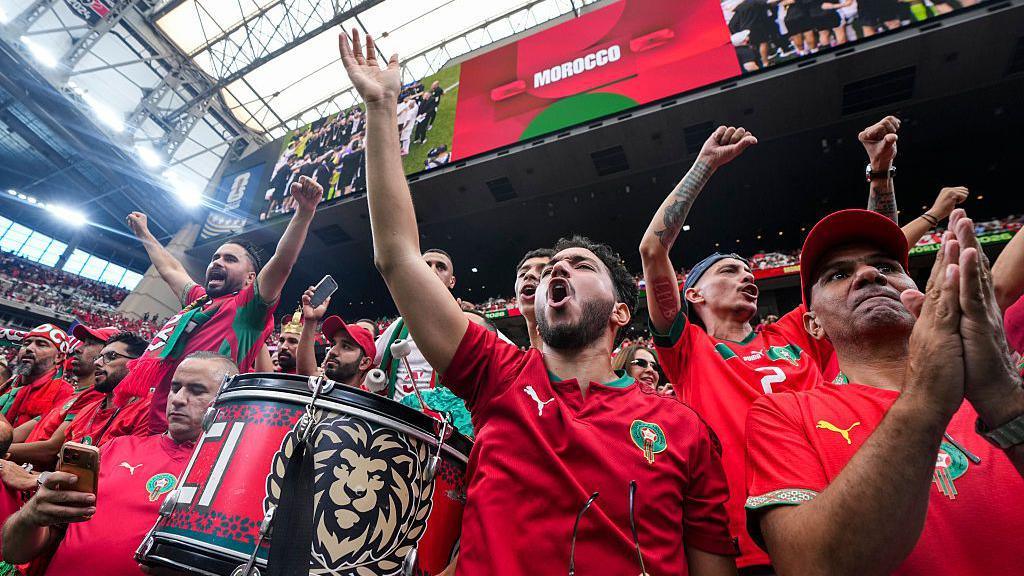
Morocco’s journey this tournament has been defined by unity and emotion. Their matches against Brazil, Scotland, and Canada showcased a blend of confidence, discipline, and tactical cohesion. “There’s deep faith in this team,” Chtioui observes. “Supporters from across the globe are flocking to the United States to witness their progress. Moroccans, regardless of where they live, are rallying behind them.”
Yet, the emotional support from families has played a unique role. Moments like Achraf Hakimi’s embrace with his mother after a match or Sofiane Boufal’s dance with his during the 2022 campaign became iconic. This year, Ismael Saibari’s dash into the stands to celebrate a penalty against the Netherlands further highlighted the bond between players and their families. Upon returning from Qatar, the team was welcomed by King Mohammed VI alongside their mothers, a gesture that underscored the deliberate emphasis on family ties.
“A mother’s prayer, nothing really comes close,” Bel Hassan adds. “The players themselves have spoken about how supported they feel. It’s a psychological strength that goes beyond tactics.”
The RMFF president, Fouzi Lekjaa, describes the presence of mothers during major tournaments as “one of the most effective psychological support strategies.” This tradition has become a defining feature of Morocco’s identity, intertwining emotional resilience with national pride. As they face France once more, the team carries the weight of history, ambition, and a philosophy rooted in unity and heart.