Stars shine at the World Cup final half-time show

Stars shine at the World Cup final half-time show
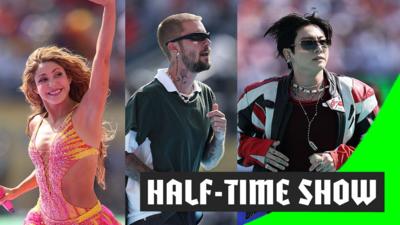
Ninoda.com – Stars shine at the World Cup final half-time show, captivating millions of fans across the globe with an unforgettable blend of music and football passion. During the climactic moment of the tournament, the New York New Jersey Stadium became a vibrant stage for global superstars like Madonna, BTS, Justin Bieber, and Shakira, who brought their unique flair to the break. The event was not just a celebration of the sport’s pinnacle but a testament to the enduring power of music to unite people. As the clock ticked down, the legendary presence of Cristiano Ronaldo and Ronaldinho added an extra layer of nostalgia, making the half-time interlude a highlight of the entire match.
The Star-Studded Lineup
The half-time show featured a carefully curated lineup of artists, each chosen to reflect the diversity and excitement of the World Cup. Madonna, known for her iconic performances, delivered a high-energy set that echoed her decades-long career. BTS, the K-pop phenomenon, brought a fresh and modern vibe, resonating with younger fans who had been cheering throughout the tournament. Justin Bieber and Shakira added a mix of pop and Latin rhythms, ensuring the crowd was entertained with a variety of musical styles. This selection not only showcased the global appeal of the World Cup but also demonstrated how music can bridge cultural divides, creating a shared experience for audiences from all corners of the world.
The Surprise Cameo
A surprise twist during the performance left fans in awe as two of football’s greatest legends, Cristiano Ronaldo and Ronaldinho, took to the stage. The duo’s appearance was a nostalgic nod to the sport’s golden era, drawing cheers from the crowd and sparking conversations on social media. Their presence highlighted the deep connection between music and football, as both art forms have the power to evoke emotions and memories. The seamless integration of their talents with the current artists underscored the event’s significance, proving that the World Cup final half-time show is more than just entertainment—it’s a cultural milestone.
The Impact of the Performance
The performance had a profound impact on the atmosphere of the stadium, transforming it into a celebration of unity and excellence. As the music filled the air, fans found themselves dancing, singing, and sharing moments of joy that transcended the game itself. The World Cup final half-time show became a platform for showcasing not only the sport’s biggest stars but also the world’s most celebrated musicians. This unique collaboration highlighted the event’s role in elevating the World Cup experience beyond the pitch, creating a multi-sensory spectacle that left a lasting impression. The energy of the performance was palpable, with every note and beat contributing to the excitement that carried into the second half.
Audience Reactions and Social Media Buzz
Reactions from the audience were overwhelmingly positive, with fans expressing their admiration for the performers and the seamless integration of music and football. The World Cup final half-time show became a talking point on social media, where hashtags like #StarsShineAtTheWorld and #WorldCupMagic trended globally. Many viewers praised the choice of artists, noting how their performances added depth to the already intense atmosphere. The surprise cameo by Ronaldo and Ronaldinho further amplified the buzz, with fans taking to platforms to share their favorite moments from the show. This viral response underscored the event’s ability to engage audiences on a personal level, creating a sense of community around the sport.
Legacy and Significance of the Event
As the World Cup final half-time show became a part of football history, its legacy was already being discussed in the aftermath of the performance. The event not only entertained but also reinforced the importance of combining sports and entertainment to create a memorable experience. For many, the show symbolized the intersection of two global passions—football and music—and the way they can come together to inspire. The success of the half-time show set a new standard for future events, proving that the World Cup is not just a competition but a celebration of culture, creativity, and shared moments. As the final whistle blew, the memories of the show lingered, reminding fans of the power of art to elevate the spirit of sports.