The greatest World Cup shirts – and what makes them iconic

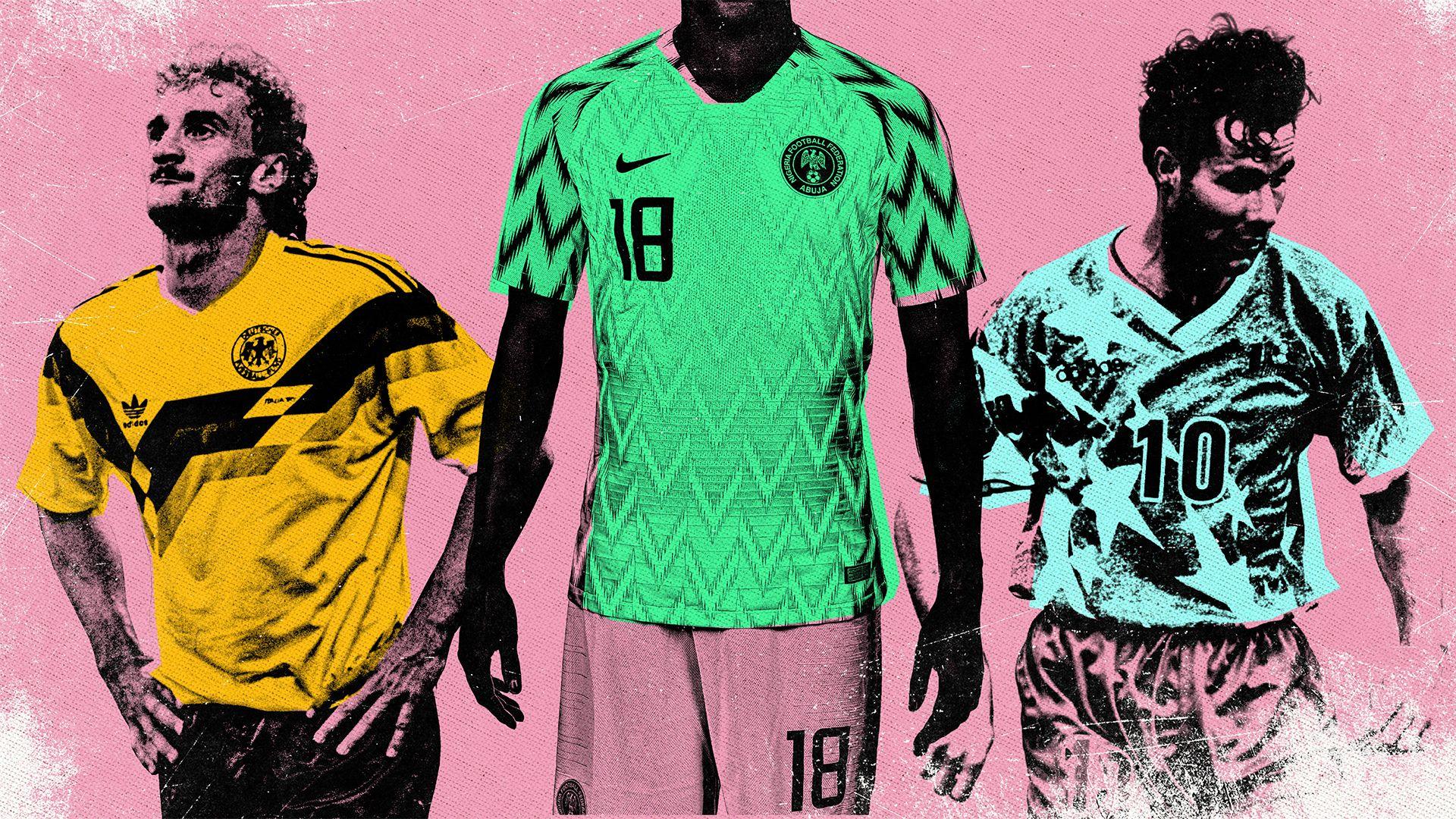
The Most Memorable World Cup Jerseys and Their Enduring Legacy
Ninoda.com – Football shirts have long been more than just functional gear—they are symbols of identity, emotion, and history. For many fans, the connection to a team’s jersey is deeply personal, evoking memories of childhood, adolescence, and the evolution of their passion for the game. The World Cup, in particular, has given rise to some of the most iconic kits in sports history, each carrying the weight of moments that defined eras. These designs transcend the field, becoming cultural artifacts that resonate across generations. Yet, what truly elevates a shirt from a simple uniform to an enduring classic? Designers like Matthew Wolff argue that it’s a blend of heritage, craftsmanship, and the magic of the game itself.
A Designer’s Perspective on Iconic Kits
Matthew Wolff, a renowned kit designer, has worked on some of the most recognizable uniforms in football history. From the vibrant Nigeria outfits at the 2018 World Cup to the celebrated France jerseys that secured their victory, Wolff’s creations have left a lasting mark on the sport. His portfolio spans major clubs like Paris St-Germain, a variety of Major League Soccer and National Women’s Soccer League teams, and even the United Soccer League club he co-founded, Vermont Green. With such a rich background, Wolff offers a unique lens into what makes a shirt memorable.
“Most of my favorite kits are from my childhood in the ‘90s and early 2000s,” Wolff explains. “That’s the time when players felt like true heroes, and their uniforms carried an almost magical significance.”
For Wolff, the kits of that era hold a special place. He recalls the bold, oversized designs of the 1998 World Cup, such as the striking uniforms worn by Mexico and the USA, as well as the unique aesthetic of Japan’s team. Even the sleeveless tops of Cameroon in 2002, which sparked debate among fans, remain etched in memory. These jerseys were not just clothing—they were extensions of the players’ personalities and the nations they represented.
Wolff acknowledges the challenges of creating iconic kits today. “The global market is now flooded with options, making it harder for any single design to stand out,” he notes. While modern kits benefit from advanced technology and diverse influences, the sheer volume of choices can dilute their impact. However, he believes that cultural expression still plays a vital role in shaping memorable uniforms. Nations often infuse their heritage into the designs, yet the pressure to align with current trends can sometimes overshadow authenticity.
World Cup Kits That Captured the Spirit of the Game
The 1998 World Cup in France featured a number of standout designs that continue to be celebrated. Mexico’s team, for instance, wore a blue and gold jersey that exuded confidence and tradition. Similarly, the USA’s iconic red and white outfit became a symbol of hope and ambition during their historic run. Japan’s kits, with their geometric patterns and vibrant colors, added a touch of innovation to the tournament, while Cameroon’s sleeveless tops sparked a unique conversation about style and practicality.
Wolff’s mention of these kits highlights their significance in the collective memory of football fans. “They felt like more than just uniforms—they were statements of identity and pride,” he says. The combination of bold colors, distinctive shapes, and the players who wore them created an emotional bond that endures beyond the tournament itself. This connection is further amplified by the passage of time, which often reshapes how we view and appreciate these designs.
One of the most contentious kits in history was Cameroon’s sleeveless design for the 2002 World Cup. While it was popular in Africa, FIFA mandated the addition of sleeves for the tournament, which marked a departure from the original concept. Former midfielder Eric Djemba-Djemba, who played for Cameroon, shared his thoughts on the matter: “Everybody in Africa wanted to wear that shirt,” he said. The design’s uniqueness and cultural resonance made it a symbol of creativity, even if it didn’t fully meet the expectations of the governing body.
Interestingly, the influence of these kits extended beyond the football field. Serena Williams, for example, wore an outfit inspired by Cameroon’s banned sleeveless design during the 2002 French Open. Though the organizers couldn’t accommodate her request to include her lucky number 26 on the back, the connection between sports and fashion was undeniable. These shirts became more than just uniforms—they were part of a broader cultural dialogue.
The England Three Lions: A Symbol of Triumph
Among the most iconic World Cup jerseys is the England Three Lions red shirt, worn during their 1966 championship. This design represents more than just a team’s colors—it embodies a nation’s only World Cup victory, a historic moment that captured the hearts of millions. The shirt’s simplicity, paired with the dramatic context of the final at Wembley, made it instantly recognizable. Fans still associate the Three Lions with the legendary Bobby Moore, who lifted the Jules Rimet Trophy on his teammates’ shoulders, and the unforgettable hat-trick by Geoff Hurst.
Wolff’s own reflection on the 1982 World Cup semi-final highlights the emotional weight of such moments. “That was my most beautiful game,” said France captain Michel Platini, reminiscing about the 1982 clash with West Germany. The jersey he wore during that match, along with the entire Les Bleus team, became a part of football folklore. The tension of the semi-final, the tactical brilliance of the players, and the goalkeeper Harald Schumacher’s controversial challenge on Patrick Battis all contributed to the enduring legacy of the kit.
While the 1990 and 1998 kits for England were also contenders, the 1966 design holds a unique place in history. Its association with a defining moment in the country’s football journey ensures its place as an icon. The Three Lions jersey is a testament to how a single game can immortalize a uniform, making it a symbol of national pride and sporting achievement.
Criteria for Selecting the Ultimate Icons
When narrowing down the list of iconic kits, Wolff and others emphasize the importance of balance. The criteria set for this selection—no more than one shirt per World Cup and one per country—aimed to highlight the most distinctive designs. This approach allows for a broader appreciation of the sport’s history, focusing on the moments that truly defined eras rather than the latest trends.
Though the process may seem subjective, it’s grounded in the recognition of a shirt’s cultural and emotional impact. The 1998 kits, for example, were celebrated for their boldness and the excitement they generated. Similarly, the Cameroon sleeveless design, despite its controversial fate, remains a powerful example of how innovation can challenge tradition. Each of these kits carries a story, and that’s what makes them timeless.
As the summer approaches, fans can expect to see these jerseys reappear in barbecues and beer gardens, sparking conversations about their historical significance. The Three Lions red remains a staple, while the 1998 designs continue to be admired for their creativity and the moments they encapsulated. Whether it’s the bold colors of the 1990s or the strategic choices of the modern era, these kits remind us that football is not just about the players but also the uniforms that accompany them.
So, what do you think? Which World Cup shirts hold the most special place in your memory? Share your favorites in the comments below and join the discussion on how these designs continue to shape our love for the game. After all, the legacy of a jersey is often as enduring as the victory it represents.